
How to eat healthy in Nigeria when food prices keep changing can feel like a difficult task. One market trip can easily consume money you planned to use for several meals.
But healthy eating does not have to mean expensive imported foods, supplements, or a fridge filled with fancy ingredients. With the right choices, you can eat better, spend wisely, and still enjoy familiar Nigerian meals.
The secret is not necessarily buying more food. It is learning how to plan your meals and make your money work harder.
What Does It Mean to Eat Healthy on a Budget?
Knowing how to eat healthy starts with understanding that nutritious food does not always have to be expensive
Eating healthy on a budget means choosing affordable foods that provide your body with the nutrients it needs without constantly overspending.
In simple terms, your meals should contain a reasonable variety of staples, protein, fruits, and vegetables.
So, no, healthy eating does not mean you must eat salad every day. The basic principles of a healthy diet include balance, moderation, adequacy, and variety.
Beans, eggs, vegetables, fruits, yam, sweet potatoes, and fish can all be part of a balanced diet. What matters is how you plan and combine your meals.
How to Eat Healthy on a Budget in Nigeria
If you have been searching for how to eat healthy without spending much, these 10 simple tips can help you make better food choices without putting unnecessary pressure on your budget.
1. Plan Your Meals Before Shopping
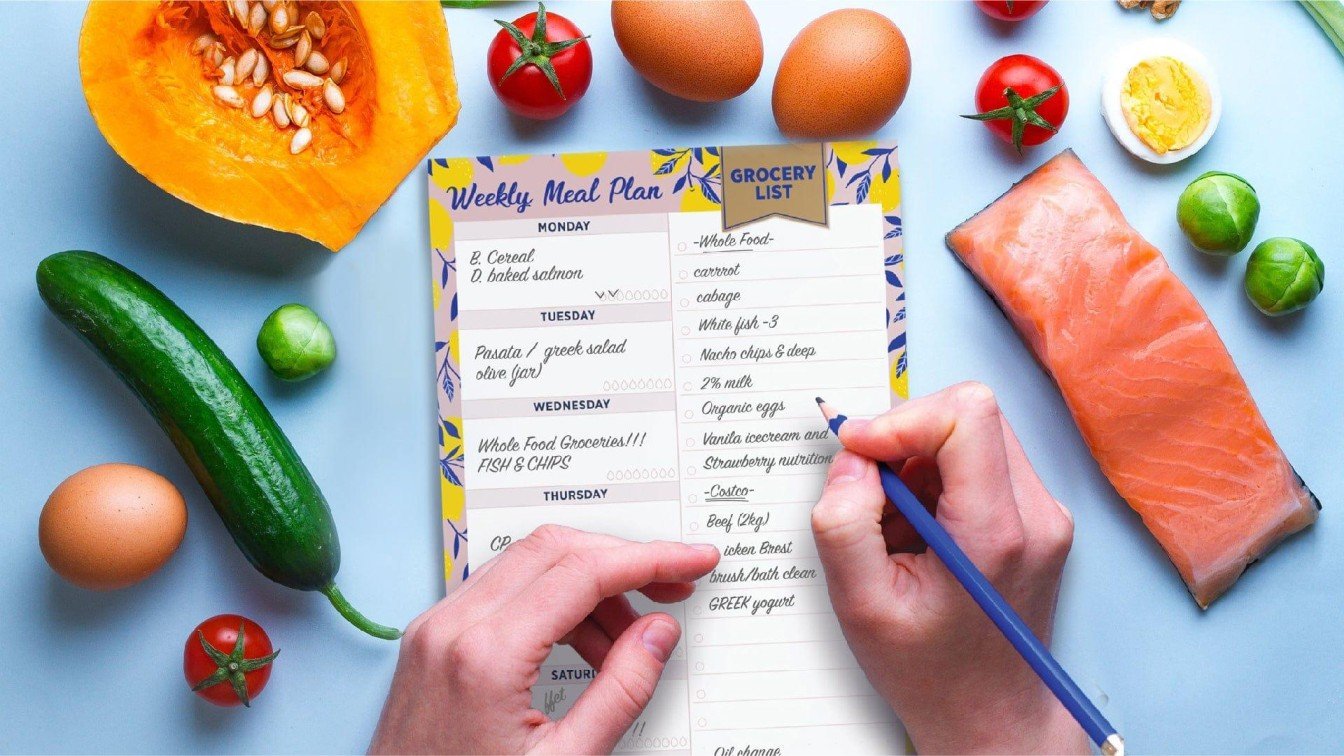
This is one of the simplest ways to learn how to eat healthy without allowing your food budget to get out of control. Before you enter the market, decide what you will eat for the week.
Meal planning may sound boring, but it can save you from the familiar situation of standing in the kitchen and asking, “What will I eat today?”
Plan a few breakfast, lunch, and dinner options. Then, buy ingredients that can work across different meals.
For example, beans can become plain beans, beans and plantain, or bean porridge. One food can give you several meal options.
Make a shopping list and try to follow it.
2. Buy Local and Seasonal Foods
If you are learning how to eat healthy in Nigeria, local food choices are a good place to start. Imported food is not automatically healthier.
Some of the most affordable healthy food in Nigeria is already available in local markets. Think ugu, waterleaf, okra, garden eggs, pap, beans, sweet potatoes, and local fruits.
Seasonal food can also be a smart choice because prices often change based on availability.
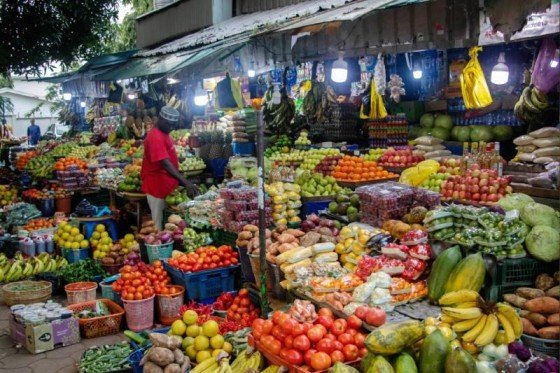
If oranges are affordable this week, buy oranges. If pawpaw is cheaper, choose pawpaw instead of forcing yourself to buy an expensive fruit.
The best healthy Nigerian foods are often the simple ones many people already know.
3. Eat More Beans and Other Affordable Protein
Protein can quickly become one of the most expensive parts of a food budget.
This is where beans can be a lifesaver.
Beans are filling and can be used in different budget-friendly meals. Eggs, groundnuts, crayfish, and affordable fish can also help you add protein without buying meat for every meal.
You do not need chicken in every meal to eat a balanced diet.
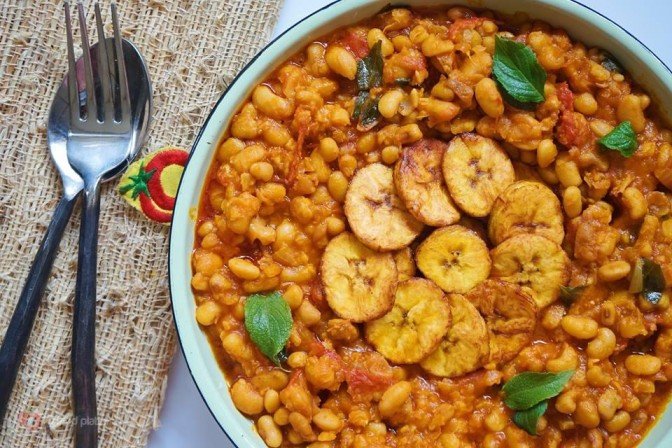
Try building some of your meals around affordable protein sources. A plate of beans with vegetables can be a more practical choice for your pocket than buying meat every day.
4. Choose Whole Foods Over Processed Foods
Understanding how to eat healthy also means paying attention to what you eat regularly, not just buying food labelled as healthy. One of the easiest ways to spend more money on food is to keep buying small processed snacks.
A biscuit here, a soft drink there, and then maybe a meat pie because you are hungry. By the end of the day, you may have spent more than planned without eating a proper meal.
Whole and minimally processed foods can provide a better foundation for healthy eating. Fruits, vegetables, legumes, and other basic food items should form a larger part of your meals.
This does not mean you can never eat snacks. It simply means snacks should not constantly replace proper meals.
5. Cook More Meals at Home
For many people, cooking at home is one of the easiest answers to how to eat healthy on a budget.
Cooking at home gives you more control over both your food and your money. You decide the ingredients, the amount of oil, and the portion size.
If you are busy, cook larger portions of food that can last for more than one meal. Prepare stew, beans, or soup in a way that works for your household.
READ MORE: What Is Self-Esteem?
You can also carry food from home when you know you will be out for a long time.
That simple decision can save you from buying an expensive meal because hunger has suddenly become your biggest problem.
6. Buy Food in Bulk When It Makes Sense
Buying in bulk can help you save money, but do not buy everything in large quantities simply because the price looks attractive.
Bulk buying makes more sense for foods you regularly eat and can store properly. Rice, beans, garri, and other dry food items may be easier to buy in larger quantities, depending on your budget and household.
However, buying plenty of food is not always the same as saving money. If half of the food spoils before you eat it, the money is already gone.
7. Eat More Nigerian Fruits and Vegetables
You can learn how to eat healthy by starting with the fruits and vegetables that are already available around you. Fruits and vegetables are an important part of a healthy diet.
For healthy eating on a budget, focus on fruits and vegetables that are available and affordable around you. This approach also fits Nigeria’s food-based dietary guidelines, which encourage variety, fruits, vegetables, legumes, roots, tubers, and other locally available foods.
You can consider:
- Pawpaw
- Banana
- Orange
- Guava
- Ugu
- Waterleaf
- Okra
- Cabbage
- Carrots
You do not need to buy every fruit or vegetable in the market. Choose a few options you can afford and actually enjoy eating. Eating healthy is easier when your choices fit your lifestyle and budget.
8. Reduce Unnecessary Snacks and Sugary Drinks
This is where many food budgets quietly disappear. A cold soft drink may not look expensive on its own, but buying one every day can become a serious monthly expense.
The same applies to sugary snacks and frequent fried foods. Try drinking more water and choosing fruits or simple homemade options when possible.
You do not need to completely change your eating habits overnight. Start by reducing how often you buy these items.
9. Learn How to Store Food Properly
Food waste is money disappearing right in front of you. Have you ever bought vegetables with good intentions, only to find them spoiled a few days later?
Learning basic food storage can help you save money.
Separate food properly, keep dry foods away from moisture, and freeze foods that may spoil quickly when necessary.
Also, avoid buying more fruits and vegetables than you can realistically finish. A cheap food item that ends up in the bin is no longer cheap.
10. Create a Realistic Weekly Food Budget
A realistic food budget makes how to eat healthy much easier because you already know how much you can spend. Do not create a food budget based on what you wish you could spend.
Create one based on your actual income and responsibilities.
Write down how much you can spend on food for the week. Then divide the money across staples, protein, vegetables, fruits, and other essentials.
You can also keep a small amount aside for unexpected price changes, your budget does not have to be perfect.
What matters is knowing where your money is going instead of spending randomly until your account starts looking suspiciously empty.
Cheap Healthy Foods to Eat in Nigeria
If you are looking for cheap healthy food in Nigeria, start with simple and familiar options.
Some affordable healthy food choices include:
- Beans
- Eggs
- Groundnuts
- Ugu
- Waterleaf
- Okra
- Pap or ogi
- Sweet potatoes
- Yam
- Local fruits
- Affordable fish
- Oats
The important thing is how you combine your food.
For example, a meal made up of a staple, a protein source, and vegetables can be more balanced than eating a large portion of only one type of food. You do not need an expensive meal to eat well.
Can You Eat Healthy Without Spending a Lot of Money?
Yes, you can eat healthy without spending a lot of money. So, if you have been wondering how to eat healthy without spending much, start with your next meal.
However, you may need to change the way you think about healthy food.
READ MORE: How To Improve Your Lifestyle
Many people associate healthy eating with expensive products. In reality, some of the most affordable foods for a balanced diet are ordinary foods sold in Nigerian markets.
Planning helps you avoid unnecessary purchases. Local and seasonal foods help you make smarter choices.
Beans and other affordable protein sources can help stretch your meals, and cooking at home gives you more control over both ingredients and spending.
So, if you have been wondering how to eat healthy without spending much, start with your next meal.
You do not need a perfect diet, you need a realistic one you can maintain.
Conclusion
The key to how to eat healthy is not perfection; it is making better food choices consistently.
Learning how to eat healthy on a budget in Nigeria is less about chasing expensive food and more about making smarter everyday decisions.
Plan your meals before shopping. Buy local foods. Eat more beans and vegetables. Cook at home when possible and reduce the small purchases that quietly drain your money.
Healthy eating does not have to look fancy.
Sometimes, it simply means making your money work harder, choosing affordable healthy food, and building balanced meals with what is already available around you.
READ MORE: The Magic Pillow