
You open your phone to check one message. Then you see a notification, open an app and start scrolling.
Before you realise it, 30 minutes have passed. Your mood has changed, your mind feels crowded and you are wondering how you ended up watching a stranger’s morning routine.
This is where the conversation around social media and mental health becomes important.
Social media is not automatically good or bad. It can help you connect with people, find support and discover useful information.
However, the way you use it can also affect your mood, sleep, focus and everyday habits. This is why understanding social media and mental health matters in everyday life.
So, how does social media affect mental health and daily life?
How Social Media Affects Mental Health
The connection between social media and mental health is more complicated than simply saying social media is harmful.
The effects of social media on mental health can vary depending on the person, the content they consume and how they use different platforms.
READ MORE; Tips for Stress-Free Vacations with Kids
Think of social media like a tool. A hammer can help you build a house, but you would not use it for everything. In the same way, social media can fit into your life without controlling it.
The problem often begins when scrolling becomes automatic.
7 Ways Social Media Can Affect Your Mental Health and Daily Life
1. It Can Increase Social Comparison
You see someone’s new apartment, then another person’s engagement, and someone else announces a new job, posts a holiday picture or shares how much they have achieved before breakfast.
Suddenly, your own life starts looking small.
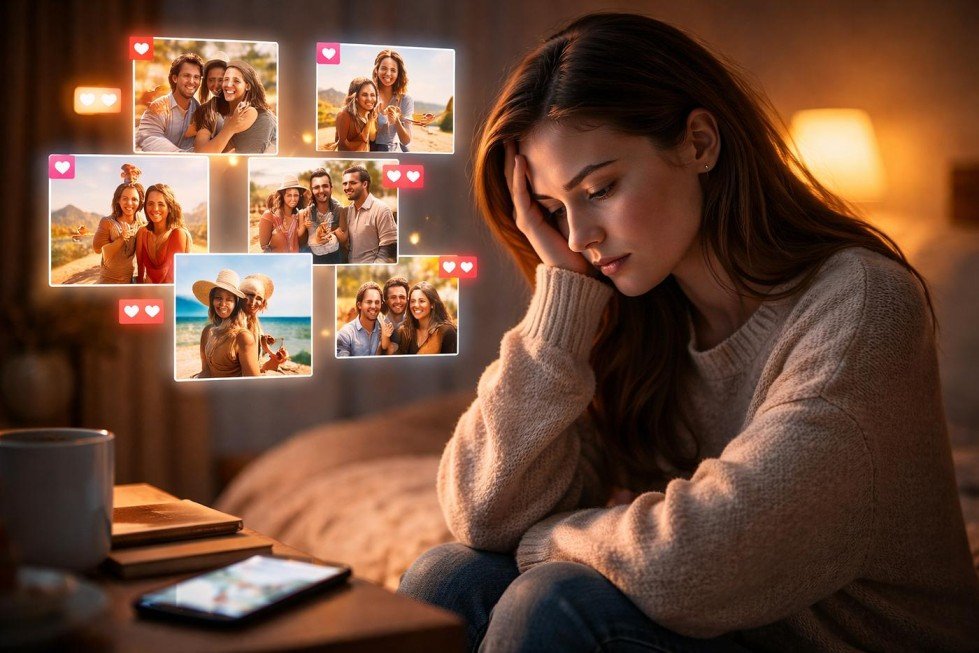
This is one of the most discussed social media effects on mental health. Social media often shows people at their best, not the complete story behind their lives.
You are comparing your ordinary Tuesday with someone else’s carefully selected highlight.
Over time, this can affect your self-esteem and make you feel behind, even when you are actually making progress.
Appearance-related content can make this even worse, especially when you constantly compare your body, face or lifestyle with what you see online. This is one reason social media and mental health are often discussed together.
The American Psychological Association’s health advisory on social media use also highlights the importance of limiting social media use that encourages excessive social comparison, particularly around appearance-related content.
2. It May Affect Your Mood
Have you ever opened social media feeling fine and left feeling irritated, sad or strangely anxious? You are not imagining it.
The content you consume can influence your emotional state. Constant exposure to arguments, bad news, negative comments and upsetting content can leave your mind feeling exhausted.
Even positive content can become overwhelming when you consume too much of it. The effects of social media on mental health can also depend on why you are using the platform.
Are you connecting with a friend, or are you scrolling because you feel bored and uncomfortable with your own thoughts?
That small difference matters.
3. It Can Make It Harder to Focus
You sit down to work. You pick up your phone for “just one minute.”
Thirty minutes later, you have watched several videos and completely forgotten what you were supposed to do.
Sound familiar?
Social media can make constant stimulation feel normal. Every swipe brings something new, which can make slower activities feel unusually boring.
This can affect studying, working and even simple conversations. You may physically be in the room, but your mind is still waiting for the next notification.
4. It May Affect Your Sleep Routine
“One last scroll.”
That sentence has probably stolen more sleep than people would like to admit.
Social media can make it easy to stay awake longer than planned. You keep scrolling, see something interesting and decide to watch one more video.
Then you check the time. It is 1:47 a.m. The World Health Organization’s guidance on teens, screens and mental health also links problematic social media use with later bedtimes and less sleep.
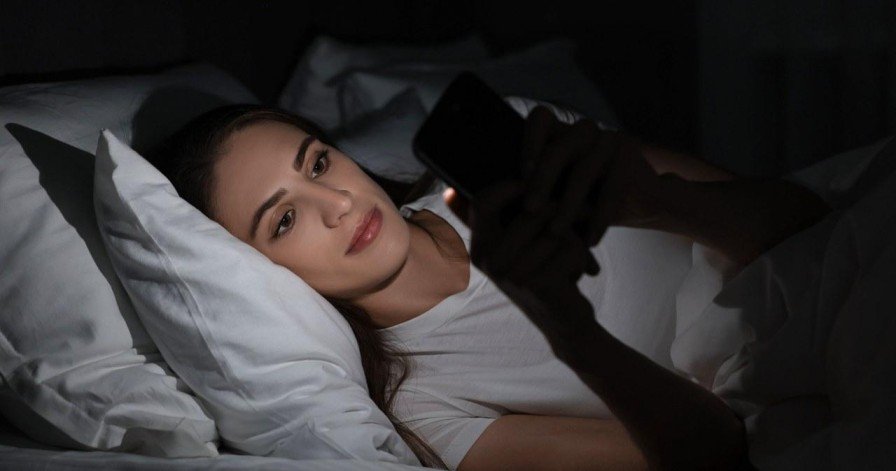
This is one reason excessive social media use can affect your daily life the next morning.
The connection between social media and mental health can also show up in your sleep and energy levels. You may wake up tired, struggle to focus and spend the day trying to recover from a night you technically spent in bed.
Your phone may be beside you, but your mind is still wide awake.
5. It Can Influence How You See Yourself
Social media does not only show you other people. It can also change the way you see yourself.
You may start asking questions like:
“Do I look good enough?” “Why does my life not look like theirs?” “Why am I not getting as much attention?”
Likes, comments and views can quietly become a form of validation.
When your post performs well, you feel good. When it does not, your mood may drop.
That does not mean every person who checks their likes has a problem.
However, when your self-worth begins to depend heavily on online reactions, social media may be taking up more emotional space than it should.
6. It Can Affect Your Real-Life Relationships
Ironically, social media can make you feel connected to everyone while leaving you disconnected from the person sitting beside you.
You may be physically present during a conversation but mentally focused on your phone.
Over time, this can affect communication and intimacy.
Of course, social media can also help people stay connected. It allows friends and family to communicate across distance and can provide support when someone feels isolated.
The difference is whether social media is supporting your relationships or replacing them completely.
Healthy social media use should not require you to disappear from real life.
7. It Can Change How You Spend Your Time
The biggest effect of excessive social media use may be the time you do not realise you are losing.
Five minutes here, twenty minutes there.
A little scrolling before work, a little scrolling during lunch, and then another hour before bed.
Suddenly, the day is over.
This is where social media addiction and problematic use can become concerns. You do not have to spend every waking hour online for your social media habits to become unhealthy.
Sometimes, the real question is simple: What is social media stopping you from doing?
Are All Social Media Platforms Bad for Your Mental Health?
No.
This is an important part of the conversation about social media and mental health.
Social media can help people find communities, express themselves and stay connected. For someone who feels lonely, an online community can provide a sense of belonging.
It can also make useful mental health information easier to find.
However, not all online content is accurate or helpful. The impact of social media can depend on the type of content you consume and the way you interact with it.
Actively connecting with people is different from passively scrolling through endless content. So, the goal is not necessarily to delete every social media app on your phone.
READ MORE: More Rest To Be Allowed For Flight Attendants
The goal is to become more intentional about how you use them. A healthier approach to social media and mental health starts with paying attention to your habits instead of scrolling automatically.
How to Build Healthier Social Media Habits
Notice How You Feel After Scrolling

Pay attention to your mood.
Do you feel informed, entertained and connected? Or do you feel anxious, jealous, irritated or mentally drained?
Your emotions can tell you a lot about your social media habits.
The U.S. Surgeon General’s social media and youth mental health advisory also recommends creating boundaries and developing healthier social media practices.
Curate Your Feed
You do not have to follow everyone forever. Unfollow, mute or limit accounts that constantly make you feel inadequate or upset.
Your feed is a digital environment, you are allowed to clean it.
Create Screen-Free Moments
Try keeping your phone away during meals, conversations or the first few minutes after waking up. You do not need to disappear from the internet for 30 days to improve your digital wellbeing.
Small boundaries can make a noticeable difference. They can also help you create a healthier relationship between social media and mental health.
Use Social Media With Intention
Before opening an app, ask yourself a simple question: Why am I opening this?
Are you replying to a message, looking for information, checking an update or are you simply avoiding boredom?
You may be surprised by how often you open an app without a real reason.
Know When Your Habits Are Becoming a Problem
If social media regularly affects your sleep, work, relationships or mood, it may be time to take your habits seriously.
You can start by setting boundaries and talking to someone you trust. You do not have to wait until your social media use completely disrupts your life before making a change.
Conclusion
The relationship between social media and mental health is not as simple as saying, “Social media is bad.”
It can connect you to people, introduce you to helpful information and make you feel less alone, but excessive social media use can also affect your mood, focus, sleep, relationships and the way you see yourself.
The real goal is balance. Pay attention to your social media habits, protect your time and be honest about how certain platforms make you feel.
Because social media should be part of your daily life, not the thing quietly running it.