
For more than a century, petrol and diesel vehicles have dominated the roads. They shaped how people travelled, transported goods, and connected cities.
However, the automotive world is entering a new era, and the future of electric vehicles is becoming one of the biggest conversations in transportation.
What once seemed like a distant idea is now happening faster than many expected. Electric cars are becoming more affordable, battery technology is improving, and charging infrastructure is expanding across different parts of the world.
The question is no longer whether electric vehicles will become important. The bigger question is how quickly they will transform the way people drive.
From longer electric vehicle range to faster charging, smarter software, and advanced EV batteries, the next few years will bring major changes for drivers. By 2030, owning an electric vehicle could look completely different from what it does today.
But what exactly should drivers expect?
Will electric vehicles replace petrol cars? Will EV batteries last longer? Will charging become as convenient as filling a fuel tank? And is now the right time to switch?
This guide explores the biggest changes expected in the EV industry and explains what the future of electric vehicles means for everyday drivers.
Key Takeaways
- Electric vehicles are becoming the future of transportation because of improvements in battery technology, charging networks, and smart vehicle systems.
- EV batteries are expected to become cheaper, longer-lasting, and more efficient by 2030.
- Solid-state batteries could significantly improve driving range, safety, and charging speed.
- Fast charging stations will continue expanding, making long-distance EV travel easier.
- Electric vehicles will become available across more categories, including electric SUVs, trucks, and commercial vehicles.
- Vehicle-to-grid (V2G) technology could allow EVs to store and share electricity with homes and power networks.
- Lower maintenance costs and falling battery prices could make EV ownership more affordable.
Why the Future of Electric Vehicles Matters
The shift toward electric mobility is more than just a change in how cars are powered. The future of electric vehicles represents a major transformation in how people think about transportation, energy, and sustainability.
According to the International Energy Agency (IEA), global electric vehicle adoption has grown rapidly as consumers, governments, and businesses invest in cleaner transportation solutions.
Countries around the world are introducing policies to reduce carbon emissions, while automakers are investing billions of dollars into electric vehicle development.
Companies such as Tesla, BYD, Volkswagen, Hyundai, BMW, Mercedes-Benz, Ford, and Toyota are expanding their EV offerings and competing to develop the next generation of electric cars.
This competition is accelerating innovation.
For drivers, this means better vehicles, more choices, improved reliability, and more affordable options in the years ahead.
The future of EVs is not only about replacing petrol-powered vehicles. It is about creating a transportation system that is:
- Cleaner.
- More connected.
- More efficient.
- Easier to maintain.
- Powered by smarter technology.
As renewable energy continues to grow, electric vehicles could become a key part of a more sustainable transportation future.
How Artificial Intelligence Is Making EVs Smarter
The next generation of electric vehicles will not only be powered by electricity. They will also be powered by intelligence, making the future of electric vehicles more connected, efficient, and personalized.
Artificial intelligence is becoming an important part of modern EV technology, helping vehicles understand driving patterns, improve efficiency, and provide better experiences.
Future electric cars will increasingly use AI to:
- Predict battery performance.
- Suggest the most efficient routes.
- Find available charging stations.
- Improve driving safety.
- Detect maintenance issues before failures occur.
- Personalize vehicle settings.
Many modern EVs already receive software updates remotely. This means manufacturers can improve vehicle performance, add features, and fix problems without requiring owners to visit a service centre.
In the future, electric vehicles will function less like traditional cars and more like connected digital devices.
10 Changes Every Driver Should Expect
1. EV Batteries Will Become More Durable
Battery life has always been one of the biggest concerns surrounding electric vehicles. Many potential buyers worry about battery replacement costs and whether an EV battery will lose capacity after years of use.
However, battery technology has improved significantly.
Modern EV batteries are already designed to last many years, and manufacturers continue developing systems that reduce battery degradation.
By 2030, drivers can expect:
- Longer battery lifespan.
- Better performance after years of use.
- Lower replacement costs.
- Improved recycling options.
For many EV owners, the battery may last for most or all of the vehicle’s useful life.
2. Solid-State Batteries Could Change Electric Cars Forever
One of the most anticipated developments in the future of electric vehicles is solid-state battery technology. Traditional lithium-ion batteries use liquid electrolytes, while solid-state batteries use solid materials.
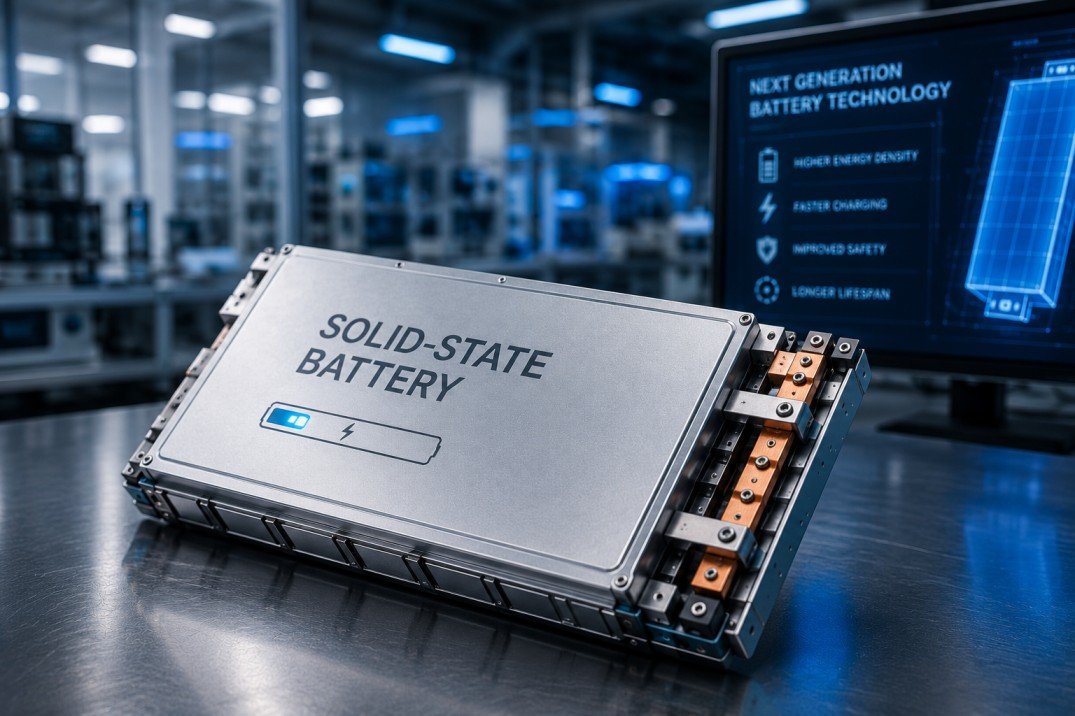
This difference could create major improvements.
Potential benefits include:
- Faster charging.
- Higher energy storage.
- Longer driving range.
- Improved safety.
- Longer battery lifespan.
Companies including Toyota, Nissan, BMW, and Mercedes-Benz are investing heavily in solid-state battery research. Recent automotive industry reports continue to highlight major investments in next-generation battery technology.
Although widespread adoption may take time, this technology could become one of the biggest breakthroughs in the EV industry.
3. EV Charging Will Become Faster and More Convenient
One of the biggest concerns slowing electric vehicle adoption is charging time. Many drivers are used to spending only a few minutes at a petrol station, so waiting for an electric vehicle to charge can feel inconvenient.
However, charging technology is improving rapidly. The U.S. Department of Energy provides research and information on EV charging technologies, battery systems, and electric transportation development.
Modern fast charging systems can already recharge many EVs within 20 to 45 minutes, depending on the vehicle and charger capacity. By 2030, next-generation charging solutions are expected to make the process even faster.
Drivers can expect:
- More powerful fast chargers.
- Shorter charging times.
- Smarter charging systems.
- Better battery protection during charging.
- More convenient payment options.
Future charging stations may also communicate directly with vehicles, automatically adjusting charging speed based on battery condition and energy demand.
For many drivers, charging an EV could become almost as convenient as refuelling a petrol vehicle.
4. Charging Infrastructure Will Expand Worldwide
A vehicle is only as practical as the infrastructure supporting it. The growth of EV infrastructure is one of the most important factors determining how quickly electric vehicles become mainstream.
In the early days of electric cars, limited charging stations created concerns about travelling long distances. This concern, often called range anxiety, remains one of the biggest barriers for some potential buyers.
However, governments and private companies are investing heavily in charging networks.
By 2030, drivers can expect:
- More public charging stations.
- Better highway charging coverage.
- Increased workplace charging options.
- More reliable charging networks.
- Improved access in smaller communities.
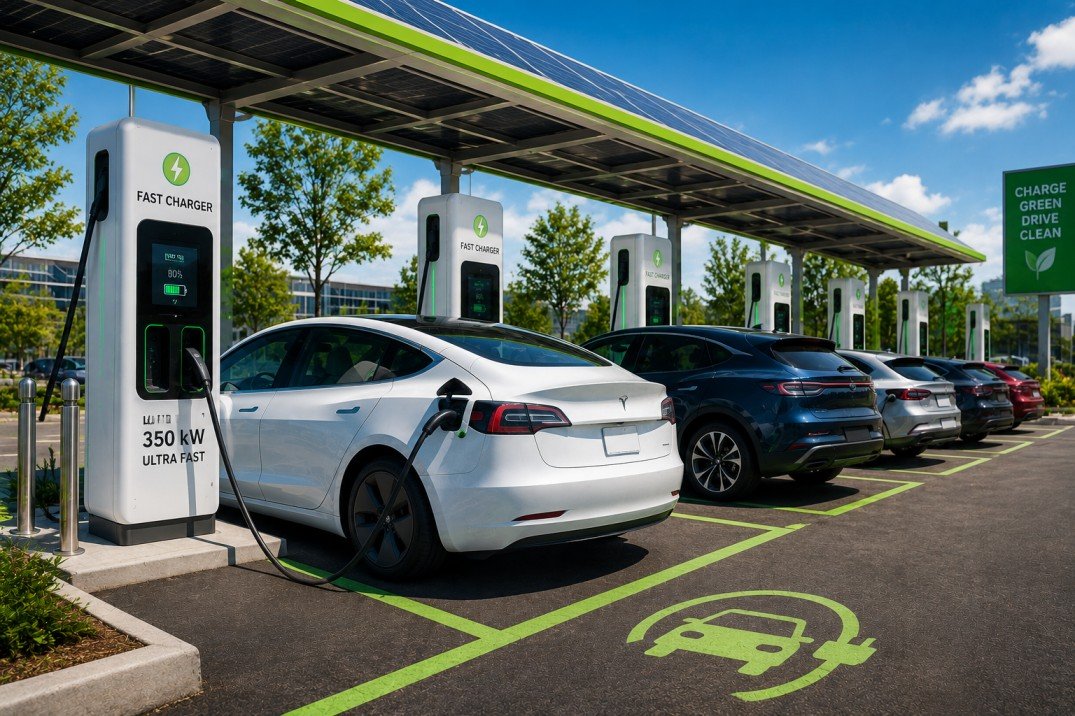
As charging infrastructure improves, owning an electric vehicle will become easier for people who cannot charge at home.
5. Electric Vehicles Will Become More Affordable
Price remains one of the biggest factors influencing whether people choose electric cars. Currently, some EV models have higher upfront prices compared to traditional petrol vehicles. This is mainly because batteries remain one of the most expensive parts of an electric vehicle.
However, battery production is becoming cheaper. Reports from BloombergNEF have tracked falling battery costs and changing electric vehicle market trends.
As manufacturers increase production and improve supply chains, electric vehicle costs are expected to continue falling, making the future of electric vehicles more accessible to everyday consumers.
By 2030, drivers may see:
- More affordable EV models.
- Increased competition between automakers.
- Lower battery prices.
- More options in different price categories.
The cost advantage of electric vehicles also becomes clearer when considering ownership expenses. Unlike petrol vehicles, EVs do not require oil changes, have fewer moving parts, and generally experience less mechanical wear.
This means lower EV maintenance costs over the vehicle’s lifetime.
Today’s EVs vs. EVs by 2030
| Feature | Electric Vehicles Today | Electric Vehicles by 2030 |
|---|---|---|
| Battery Range | Many models offer 300–600 km | Longer ranges expected with improved batteries |
| Charging Speed | Fast charging takes around 20–45 minutes | Faster charging systems expected |
| Battery Life | Designed for many years of use | Longer lifespan with improved durability |
| Vehicle Choices | Cars, SUVs, and some trucks | More electric SUVs, trucks, and commercial vehicles |
| Technology | Software updates and connected features | Advanced AI and smarter driving systems |
| Charging Network | Growing rapidly | Wider coverage and easier access |
6. Electric Vehicle Range Will Continue Improving
Range anxiety has been one of the most discussed challenges in the EV industry. Many drivers worry about travelling long distances without finding a charging station.
However, improvements in battery efficiency are changing that perception.
Modern electric cars already offer impressive ranges, with some models travelling hundreds of kilometres on a single charge.
Future improvements will come from:
- Higher energy-density batteries.
- Lighter vehicle designs.
- More efficient electric motors.
- Better software management.
- Improved battery cooling systems.
By 2030, longer-range electric vehicles will become increasingly common, strengthening the future of electric vehicles as a realistic alternative to petrol-powered cars.
7. Electric Vehicles Will Become Smarter and More Connected
The future of electric vehicles is not only about batteries and motors. Software will play an equally important role.
Electric vehicles are becoming connected devices that can collect data, learn from driver behaviour, and improve through updates. This is another reason the future of electric vehicles will depend heavily on software, artificial intelligence, and digital innovation.
Future EV technology will include:
- More advanced driver assistance systems.
- AI-powered navigation.
- Predictive maintenance.
- Smarter energy management.
- Improved voice controls.Keyword Density is 0.24 which is low, the Focus Keyword and combination appears 8 times.
Instead of buying a vehicle that remains unchanged for years, drivers will own cars that continue improving through software updates.
This will completely change how people experience vehicle ownership.
8. Vehicle-to-Grid Technology Will Transform Energy Use
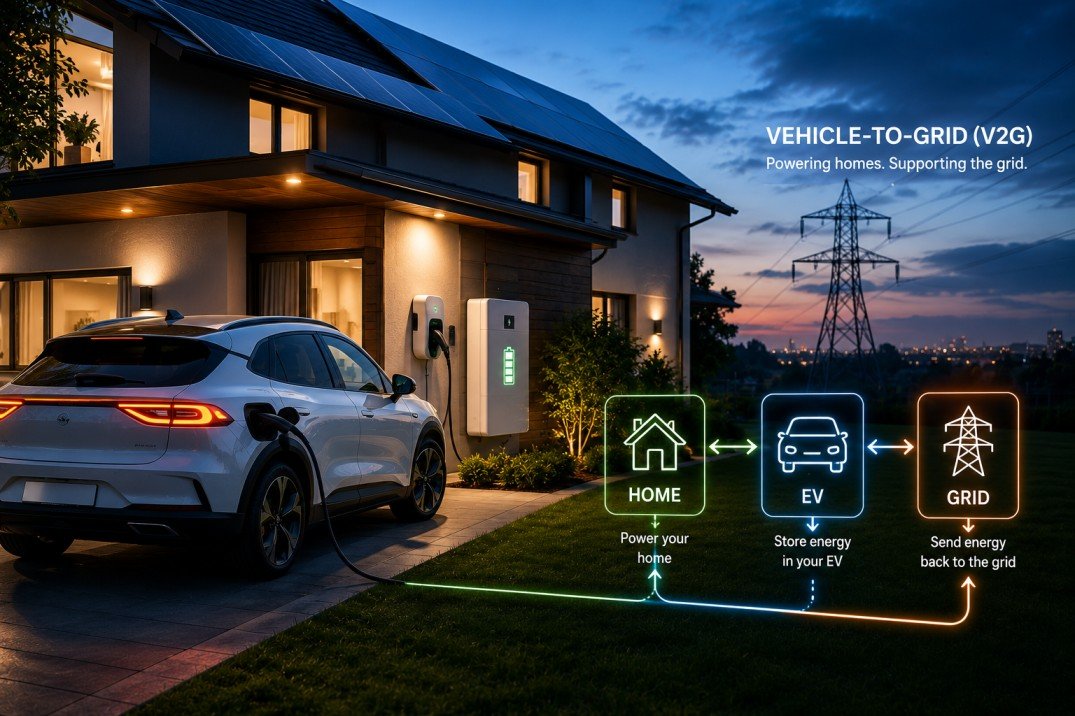
One of the most exciting developments in electric mobility is vehicle-to-grid (V2G) technology. Traditionally, cars only consume energy.
With V2G and bidirectional charging, electric vehicles could also return electricity back to homes and power networks. Imagine charging your EV during low-cost electricity periods and using that stored energy during a power outage.
This technology could allow vehicles to become mobile energy storage systems, creating new possibilities for the future of electric vehicles beyond transportation.
Benefits include:
- Lower energy costs.
- Backup power during emergencies.
- Support for renewable energy.
- Better electricity grid management.
As renewable energy grows, V2G could become an important part of the future energy system.
9. Electric SUVs, Trucks, and Commercial Vehicles Will Grow
The first wave of electric vehicles focused mainly on small cars. That is changing.
Automakers are now expanding electric technology into larger vehicle categories.
The future will bring more:
- Electric SUVs.
- Electric pickup trucks.
- Electric delivery vans.
- Electric buses.
- Commercial electric vehicles.
This expansion is important because many families and businesses need larger vehicles. As more options become available, electric mobility will become practical for a wider range of users.
10. EVs Will Drive the Growth of Sustainable Transportation
Electric vehicles are a major part of the movement toward cleaner transportation. Research from the International Council on Clean Transportation highlights the role of cleaner vehicle technologies in reducing transportation emissions.
Unlike petrol-powered vehicles, zero-emission vehicles produce no tailpipe emissions while driving. When combined with renewable energy sources, EVs can further reduce the environmental impact of transportation.
However, sustainability does not stop at driving.
The future of electric vehicles will also involve:
- Better battery recycling.
- Cleaner manufacturing processes.
- Renewable energy integration.
- More efficient public transportation.
EVs are not the only solution to environmental challenges, but they will play an important role in building a cleaner transportation system.
The Future of EV Batteries and Charging Technology
Battery technology is the foundation of the electric vehicle revolution and one of the biggest factors shaping the future of electric vehicles. The performance, affordability, and adoption of EVs depend heavily on how quickly batteries improve.
Over the next few years, manufacturers and researchers will continue focusing on creating batteries that are cheaper, safer, lighter, and capable of storing more energy.
Next-Generation Battery Technology
The biggest developments in EV batteries will focus on improving energy density. A battery with higher energy density can store more electricity without becoming larger or heavier.
This allows manufacturers to create electric vehicles with:
- Longer driving ranges.
- Smaller and lighter battery packs.
- Faster acceleration.
- Improved efficiency.
Beyond solid-state batteries, researchers are exploring alternatives such as lithium iron phosphate (LFP) batteries and other emerging chemistries that could reduce costs while improving reliability.
Fast Charging Will Become More Advanced
Charging speed is one of the areas where EV technology is changing quickly, making the future of electric vehicles more practical for drivers who worry about charging speed and accessibility. Future charging systems will focus not only on speed but also on convenience.
Drivers can expect:
- More ultra-fast charging stations.
- Better charging availability through mobile apps.
- Automatic payment systems.
- Improved battery temperature management.
- More reliable charging performance.
The goal is simple: make charging an electric vehicle feel effortless.
Wireless Charging Could Improve Convenience
Wireless charging is another technology that could reshape EV ownership. Instead of connecting a charging cable, drivers could simply park over a charging pad and allow the vehicle to recharge automatically.
Although this technology is still developing, it could become useful in:
- Residential parking areas.
- Commercial buildings.
- Taxi and delivery fleets.
- Public parking spaces.
In the future, charging may become something drivers barely think about.
Battery Recycling Will Become a Major Industry
As more electric vehicles reach the end of their first life cycle, battery recycling will become increasingly important. EV batteries contain valuable materials that can be recovered and reused.
Recycling can help:
- Reduce mining demand.
- Lower battery production costs.
- Create a more sustainable supply chain.
- Reduce environmental waste.
Some used EV batteries can also be reused for stationary energy storage before being fully recycled. This approach creates a longer life cycle for battery materials.
The Biggest Challenges Facing Electric Vehicles
Although the future of electric vehicles looks promising, there are still challenges that must be solved before EVs become the standard choice everywhere.
Understanding these challenges provides a realistic view of where the industry is heading.
Charging Infrastructure Gaps
The expansion of charging stations has been impressive, but access is still uneven. Large cities usually have more charging options, while rural areas may have fewer available stations.
Drivers without home charging may also face difficulties, especially in areas with limited public infrastructure.
Solving this problem will require continued investment in:
- Public charging networks.
- Highway charging stations.
- Apartment charging solutions.
- Workplace charging facilities.
Battery Material Supply Challenges
The production of electric vehicle batteries requires materials such as lithium, nickel, cobalt, and graphite. As EV demand increases, managing these resources responsibly becomes more important.
The industry is responding through:
- Battery recycling.
- Alternative battery chemistries.
- More efficient manufacturing.
- Reduced dependence on certain materials.
Creating a sustainable battery supply chain will be essential for long-term EV growth.
Higher Upfront Purchase Prices
Although EV ownership can be cheaper over time, the initial purchase price remains a concern for many buyers. Battery costs are still a major reason why some electric cars are more expensive than petrol alternatives.
However, as production increases, prices are expected to continue decreasing. More affordable models will likely accelerate EV adoption among everyday drivers.
READ MORE: AI in the Workplace: How AI Is Transforming the Modern Digital Workplace
Electricity Demand and Grid Capacity
A world with millions of electric vehicles will require stronger electricity systems. Charging demand will increase as more people switch from petrol vehicles to electric cars.
To prepare for this change, energy providers are investing in:
- Renewable energy.
- Smart charging systems.
- Grid improvements.
- Energy storage solutions.
A smarter electricity network will be essential for supporting future electric mobility.
Cold Weather Performance
Extreme temperatures can affect electric vehicle performance. Cold weather can temporarily reduce battery efficiency, leading to shorter driving ranges.
Manufacturers are improving battery management systems to reduce these effects. Future EVs will likely perform more consistently across different climates as battery technology continues improving.
Should You Buy an Electric Vehicle Now or Wait?
The decision to buy an electric vehicle depends on your personal situation. There is no perfect answer for every driver.
For many people, buying an EV today already makes sense.
You may benefit from switching now if you:
- Have access to home charging.
- Drive mostly within your city or region.
- Want lower fuel and maintenance costs.
- Prefer newer vehicle technology.
- Want to reduce your environmental impact.
However, waiting may make sense if you:
- Live in an area with limited charging infrastructure.
- Frequently travel extremely long distances.
- Want access to future battery breakthroughs.
- Are waiting for lower purchase prices.
The important thing is that today’s electric vehicles are already capable of meeting the needs of many drivers.
Waiting may bring better technology, but current EVs are no longer experimental products. They are practical vehicles used by millions of people worldwide.
What This Means for Everyday Drivers
The future of electric vehicles will affect more than just the type of car people drive. It will change how people think about vehicle ownership, maintenance, energy use, and everyday transportation.
For many drivers, the biggest difference will be convenience. Instead of making regular trips to petrol stations, EV owners will increasingly charge their vehicles at home, workplaces, and public charging stations.
A vehicle that once depended entirely on fuel stations could become part of a connected energy system.
Lower Maintenance and Running Costs
One of the biggest advantages of electric vehicle ownership is reduced maintenance.
Traditional petrol vehicles rely on complex engines with hundreds of moving parts that require regular servicing. Electric vehicles have fewer mechanical components, which means fewer parts can wear out over time.
Drivers can expect:
- Fewer oil changes.
- Less engine-related maintenance.
- Longer-lasting brake systems due to regenerative braking.
- Lower fuel expenses.
Although the initial cost of an EV may still be higher in some markets, the long-term savings could make electric vehicles more affordable throughout their lifespan.
A More Connected Driving Experience
Future electric vehicles will feel less like traditional cars and more like smart devices. Software updates, artificial intelligence, and connected features will continue improving the driving experience.
Drivers may benefit from:
- Smarter navigation that automatically plans charging stops.
- Real-time battery health monitoring.
- Personalized driving settings.
- Improved safety features.
- Better integration with smartphones and smart homes.
Instead of buying a vehicle that stays the same for years, owners will have cars that continue improving through technology updates.
Charging Will Become Part of Daily Life
For many EV owners, charging will become a simple habit rather than an inconvenience. A driver may return home, plug in their vehicle overnight, and start the next day with a full battery.
As charging infrastructure expands, public charging will also become easier during road trips, shopping, and work hours.
Future charging stations are expected to become faster, smarter, and more widely available, reducing one of the biggest concerns surrounding electric vehicle adoption.
Electric Vehicles Could Become Part of the Energy System
The future of electric vehicles extends beyond transportation. With technologies like vehicle-to-grid (V2G) and bidirectional charging, EVs could become valuable energy resources.
A parked electric vehicle could potentially store electricity and send power back to a home or the electricity grid when needed.
This means future drivers may not only use their vehicles to travel but also use them as part of their home’s energy management system.
More Choices for Different Drivers
Electric vehicles are expanding beyond small city cars.
In the coming years, drivers will have more options, including:
- Electric SUVs for families.
- Electric trucks for work and transportation.
- Commercial EVs for businesses.
- Affordable compact electric cars for everyday commuting.
This wider selection will make electric mobility accessible to more people with different lifestyles and budgets. The biggest change for drivers is that switching to an electric vehicle will no longer feel like choosing between convenience and sustainability.
As technology continues improving, the future of electric vehicles will depend on better batteries, wider charging networks, lower costs, and smarter vehicle systems. These changes will determine how quickly electric mobility becomes a normal part of everyday life.
The future of driving will not simply be about owning a different type of car. It will be about experiencing a smarter, cleaner, and more connected way of moving.
Conclusion
The future of electric vehicles is already taking shape. What once seemed like an experiment is becoming one of the most important changes in the history of transportation.
By 2030, drivers can expect electric cars with longer ranges, faster charging, smarter technology, stronger batteries, and more affordable prices.
READ MORE: Top AI Tools 2026: 10 Best AI Apps for Productivity
Innovations such as solid-state batteries, vehicle-to-grid technology, artificial intelligence, and improved charging infrastructure will continue pushing the EV industry forward.
Challenges still exist, including battery costs, charging availability, and energy demands. However, the speed of innovation suggests that many of these obstacles will become smaller over time.
Electric vehicles are not just changing how people travel. They are changing how vehicles interact with technology, energy, and the environment.
For drivers considering the switch, the next decade will bring more choices, better experiences, and a transportation future that is increasingly electric.