
Digital payments in Africa are changing everyday life at an incredible pace. From buying groceries and paying school fees to sending money instantly and shopping online, cashless transactions have become part of daily life across the continent. Just a decade ago, cash dominated most transactions across the continent.
Today, mobile money, digital wallets, internet banking, QR code payments, and contactless payment solutions are changing how millions of Africans spend, save, and move money.
Africa has become the global leader in mobile money adoption. According to the GSMA’s latest industry reports, Sub-Saharan Africa continues to account for the largest share of the world’s mobile money activity, while merchant payments are growing rapidly as consumers and businesses embrace cashless transactions.
This rapid shift isn’t only making payments faster. It’s also opening financial opportunities for people who previously had little or no access to traditional banking.
Businesses are reaching more customers, governments are improving public services, and consumers are enjoying greater convenience than ever before.
Digital payments are electronic transactions that allow people to pay for goods and services without using physical cash. Across Africa, they are transforming everyday life by making transactions faster, improving financial inclusion, supporting businesses, and driving economic growth.
According to the World Bank’s Financial Inclusion research, digital financial services help expand access to formal financial systems, especially for underserved populations.
The journey hasn’t been without challenges. Cybersecurity threats, internet connectivity issues, fraud, and digital literacy gaps still affect millions of users.
Yet despite these obstacles, the continent’s digital payment ecosystem continues to expand at an impressive pace.
Here’s a closer look at digital payments in Africa, how they’re transforming everyday life, and why this transformation matters.
What Are Digital Payments?
Digital payments are financial transactions completed electronically instead of using physical cash. Rather than handing over banknotes or coins, money moves digitally from one account, wallet, or payment platform to another.
These transactions happen within seconds and often require only a smartphone, computer, payment card, or internet connection.
Today, digital payments power everything from online shopping and utility bill payments to salary transfers and cross-border remittances. For many Africans, they have become an essential part of daily life.
Common Types of Digital Payments
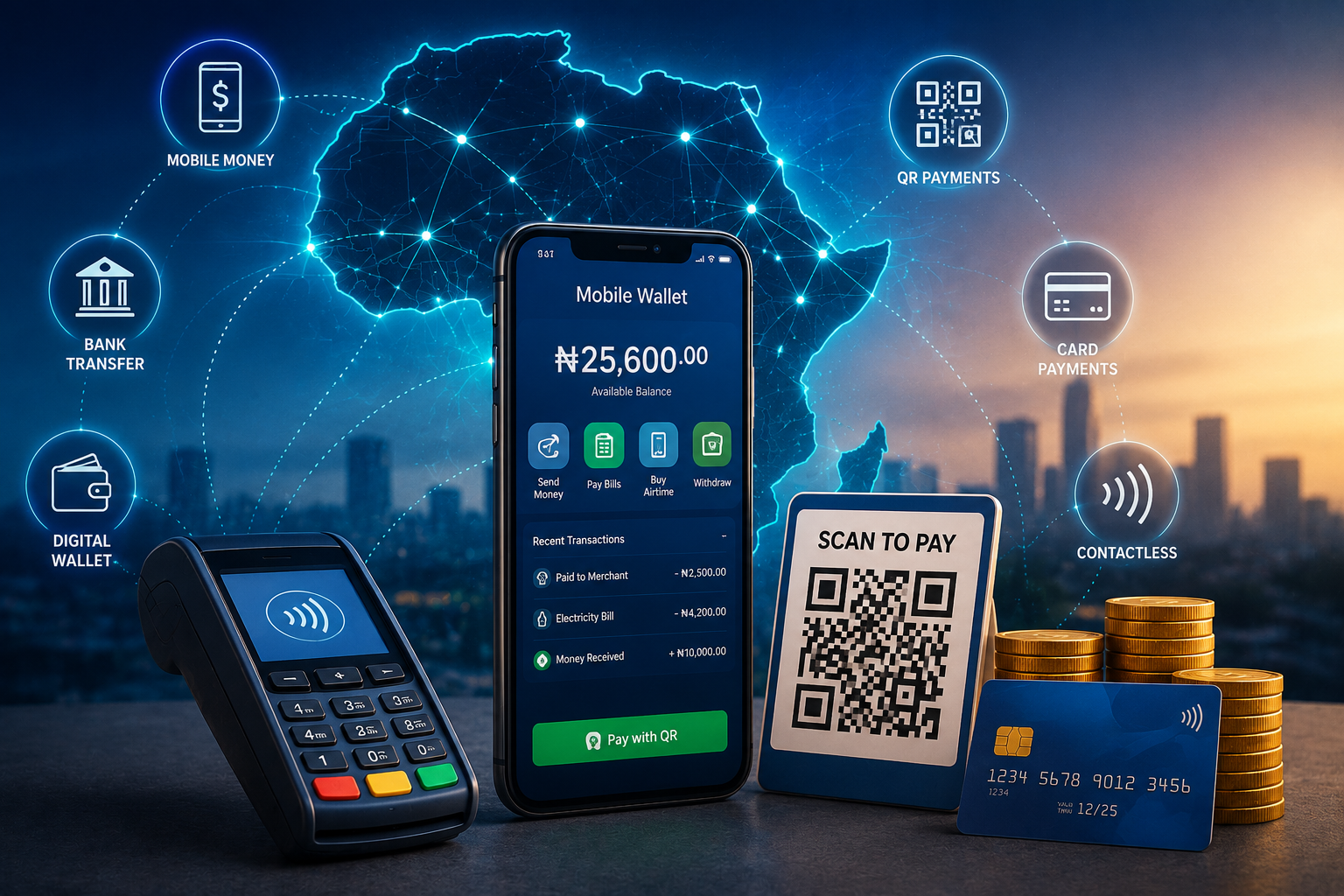
Several digital payment methods are widely used across Africa.
These include:
- Mobile money services
- Bank transfers
- Digital wallets
- Debit and credit card payments
- QR code payments
- Contactless payments
- USSD banking
- Online payment gateways
- Peer-to-peer (P2P) transfers
Different countries rely on different payment methods. For example, mobile money dominates in countries like Kenya and Ghana, while mobile banking and instant bank transfers continue to grow rapidly in Nigeria and South Africa.
Understanding how digital payments are changing everyday life in Africa begins with knowing how these electronic payment systems work and why they have become an essential part of modern financial services.
How Digital Payment Systems Work
Although each platform works differently, the basic process is straightforward. When a payment is initiated, the payment provider securely verifies the transaction, confirms that funds are available, authorises the transfer, and completes the payment almost instantly.
Advanced encryption, authentication technologies, and fraud detection systems help protect users throughout the process. Understanding digital payments in Africa begins with knowing how these electronic payment systems work and why they have become an essential part of modern financial services.
READ MORE: Best New Business Ideas to Start in 2026
Why Digital Payments Are Growing Across Africa
Africa’s digital payment revolution didn’t happen overnight. Several factors have worked together to accelerate adoption across the continent.
To fully appreciate digital payments in Africa, it’s important to understand the technological, economic, and social factors driving their rapid adoption.
Rising Smartphone Adoption
Affordable Android devices have placed internet-enabled smartphones into the hands of millions of Africans. Owning a smartphone now means people can pay bills, transfer money, shop online, and manage finances without visiting a physical bank.
As smartphone ownership continues to increase, digital payment adoption naturally follows.
Expanding Internet Access
Improved mobile networks and expanding broadband coverage have made online financial services far more accessible. While internet access still varies between urban and rural areas, connectivity has improved significantly over the past decade.
According to the GSMA Mobile Economy Sub-Saharan Africa report, continued investment in mobile connectivity is accelerating digital financial services and mobile payment adoption across the region.
This growth has enabled more people to embrace digital banking and electronic payments.
The Growth of Mobile Money Services
Few innovations have influenced Africa’s financial landscape as much as mobile money. Instead of requiring a traditional bank account, mobile money allows users to store, send, and receive funds using a mobile phone.
For millions living in underserved communities, this has been a game changer. Farmers can receive payments instantly, market traders can accept digital transactions, and families can send emergency funds within minutes.
Real-World Examples Across Africa
The growth of digital payments looks different from one country to another, but the overall trend is the same—cash is gradually giving way to faster, more convenient electronic transactions.
- Kenya continues to lead mobile money adoption through M-Pesa, which has become an everyday payment tool for households and businesses.
- Nigeria has experienced rapid growth in instant bank transfers, fintech platforms, and digital wallets, making cashless payments increasingly common.
- Ghana has strengthened mobile money interoperability, allowing users on different networks and banks to transfer funds more easily.
- Rwanda has promoted cashless public services and digital government payments.
- South Africa has expanded contactless card payments, digital banking, and QR code payment solutions across retail businesses.
These examples show that digital payments in Africa are evolving at different speeds, but every country is moving towards a more connected financial ecosystem.
Fintech Innovation Across the Continent
Africa’s fintech sector has become one of the fastest-growing in the world. Start-ups continue to develop payment solutions that simplify transactions for consumers and businesses alike.
These innovations include:
- Instant payment platforms
- Business payment gateways
- Buy Now, Pay Later (BNPL) solutions
- Cross-border payment services
- Digital lending platforms
- Mobile banking applications
The competition among fintech companies has also encouraged faster innovation and improved customer experiences.
Government Support for Cashless Economies
Several African governments have introduced policies encouraging digital financial services. The International Monetary Fund (IMF) has also highlighted how fintech and digital payment systems can strengthen financial inclusion, improve payment efficiency, and support economic growth.
These initiatives aim to:
- Reduce cash dependency
- Increase financial transparency
- Improve tax collection
- Support financial inclusion
- Modernise payment infrastructure
Public agencies are also increasingly accepting digital payments for taxes, licences, and government services.
The Rise of E-commerce and Digital Banking
Online shopping has experienced remarkable growth across Africa. Consumers now expect quick, secure, and flexible payment options, and retailers, in turn, have adopted digital payment systems to meet customer expectations.
At the same time, traditional banks have invested heavily in mobile apps, internet banking, and instant payment services, making digital banking more convenient than ever.
How Digital Payments Are Changing Everyday Life in Africa
The biggest impact of digital payments isn’t happening inside banks. It’s happening in everyday moments that millions of people experience daily.
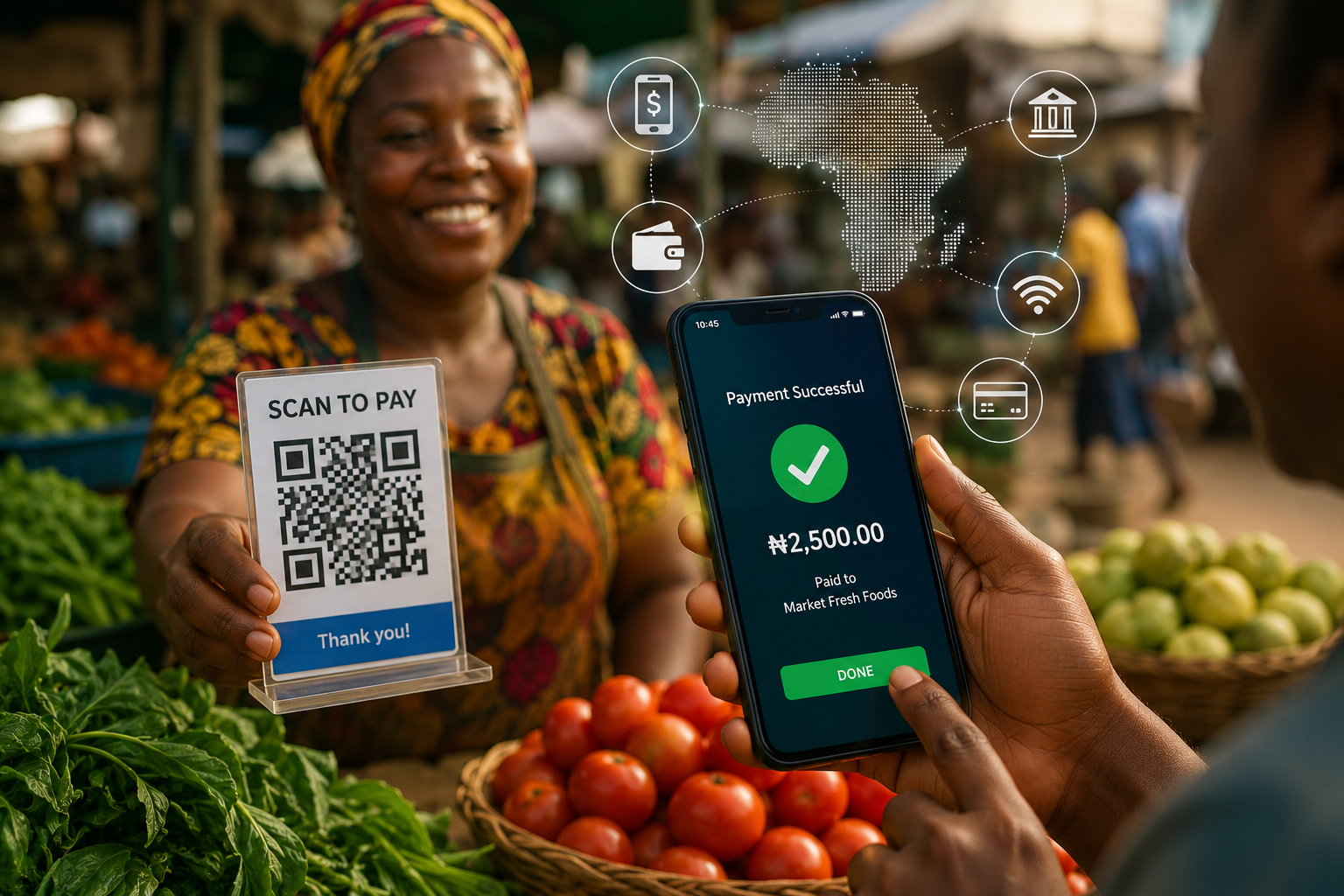
Making Online Shopping Easier
Shopping online once involved complicated payment processes or cash-on-delivery arrangements. Today, customers can purchase products in minutes using mobile wallets, bank transfers, payment cards, or QR codes.
Whether buying electronics, groceries, clothing, or digital subscriptions, checkout has become much faster and more convenient.
This convenience has fuelled the rapid growth of e-commerce across many African countries.
Transforming Public Transport Payments
Digital payments are gradually replacing cash fares in buses, trains, ride-hailing services, and public transport systems. Passengers no longer need to carry exact change.
Instead, they can pay digitally using transport cards, mobile apps, or QR code payment systems. Besides saving time, digital fare collection also improves accountability and reduces cash-handling risks.
Sending Money to Family and Friends Instantly
For many Africans, sending money to loved ones used to mean travelling long distances or waiting in banking halls. Now, a few taps on a smartphone are often all it takes.
Whether supporting parents, helping a sibling with school expenses, or sending emergency funds, peer-to-peer (P2P) payments have made money transfers faster and more reliable.
This convenience has strengthened family connections while reducing the time and cost associated with traditional money transfer methods.
Paying School Fees Without Queues
Educational institutions are increasingly embracing digital payment systems. Parents and guardians can now pay tuition fees, examination fees, and other charges through bank transfers, mobile banking apps, or payment gateways.
Schools also benefit by receiving payments more efficiently and maintaining better financial records. The result is less paperwork, fewer errors, and shorter queues.
Managing Utility Bills from Anywhere
Nobody enjoys spending hours waiting to pay electricity or water bills. Digital payments have simplified this process.
Consumers can now pay for electricity, water, internet subscriptions, television services, and mobile airtime directly from their phones.
Many platforms even allow users to schedule recurring payments, reducing the risk of missing important deadlines.
Helping Small Businesses Grow
One of the biggest reasons digital payments in Africa continue to expand is that small businesses are seeing measurable benefits from accepting electronic payments.. From roadside vendors to growing online stores, entrepreneurs are discovering that accepting digital payments attracts more customers.
Businesses that offer multiple payment options often enjoy:
- Faster sales
- Improved cash flow
- Better financial records
- Easier inventory tracking
- Greater customer trust
- Reduced risks associated with carrying cash
Digital payments have evolved from being a competitive advantage to becoming a business necessity. Customers increasingly expect to pay electronically, and businesses that offer flexible payment options are often better positioned to build trust, improve customer experiences, and increase repeat purchases.
Making Salary Payments Faster
Many employers have replaced cash salary payments with direct electronic transfers. Employees receive their wages quickly and securely without needing to visit payroll offices or banks.
This improves transparency while reducing administrative costs for employers. Workers also gain immediate access to their earnings through mobile banking or digital wallets.
Simplifying Cross-Border Payments
Cross-border payments have traditionally been slow and expensive. Today, fintech companies are helping businesses and individuals transfer money across African countries more efficiently.
Freelancers can receive payments from international clients, importers can pay overseas suppliers, and families can receive remittances from relatives living abroad with fewer delays.
Although challenges remain, cross-border payment technology continues to improve.
Supporting Freelancers and Remote Workers
Africa’s growing digital economy has created new opportunities for freelancers, software developers, designers, writers, and online entrepreneurs.
Receiving payments from international clients was once a significant obstacle.
Modern payment platforms now make it easier to accept payments in multiple currencies and transfer earnings into local bank accounts or digital wallets.
As remote work grows, digital payments in Africa are making it easier for professionals to receive local and international payments.
| Payment Method | Best Used For | Internet Required |
|---|---|---|
| Mobile Money | Everyday transfers and bill payments | Sometimes (USSD may work without internet) |
| Bank Transfer | Business and personal payments | Yes |
| Digital Wallet | Online shopping and subscriptions | Yes |
| QR Code Payment | Retail and restaurant purchases | Usually |
| Contactless Card | In-store payments | No for tap, terminal connectivity required |
Benefits of Digital Payments in Africa
Digital payments do far more than eliminate the need for physical cash. They improve convenience, increase financial access, and support economic development across Africa.
The momentum behind digital payments continues to accelerate. GSMA reports that merchant payments grew by almost 50% in 2025 to approximately US$155 billion, making them the fastest-growing mobile money use case globally. Mobile technologies also contributed around US$240 billion to Africa’s economy in 2025, about 7.8% of the continent’s GDP highlighting the increasing importance of digital financial services.
The growing number of cashless transactions clearly demonstrates how digital payments in Africa are making financial services faster, more secure, and more accessible for millions of people.
Greater Convenience
Consumers can complete transactions at any time without visiting a bank or ATM. Whether shopping online or paying monthly bills, digital payments save valuable time.
Faster Transactions
Many payments are completed within seconds. This speed benefits both consumers and businesses by reducing waiting times and improving cash flow.
Instant payments are particularly valuable during emergencies when quick access to funds matters most.
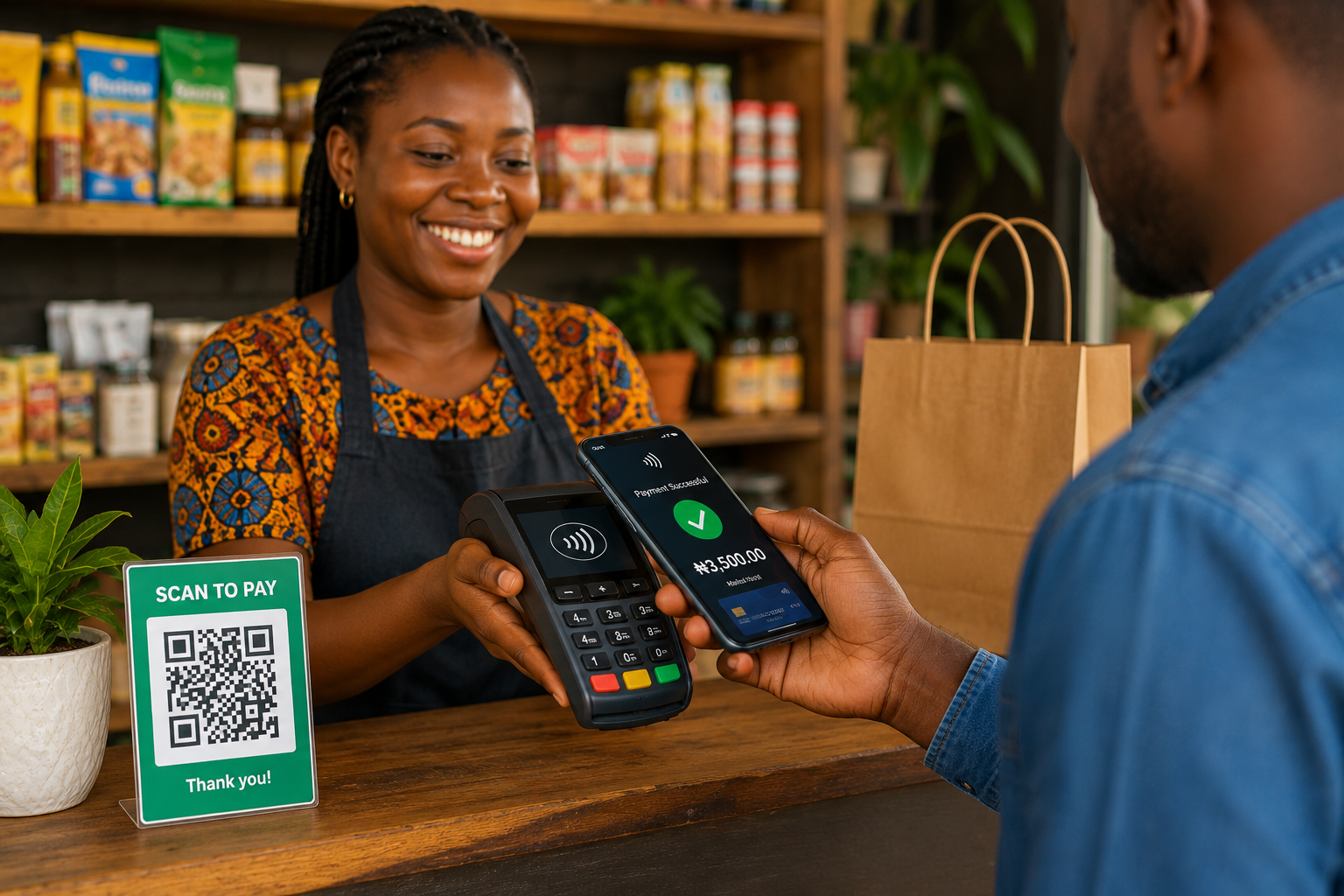
Improved Payment Security
Although no system is completely risk-free, digital payments often provide stronger protection than carrying large amounts of cash.
Features such as:
- Two-factor authentication
- Fingerprint recognition
- Facial recognition
- One-time passwords (OTPs)
- Real-time fraud monitoring
help protect user accounts and reduce unauthorised access.
Boosting Financial Inclusion
Perhaps the greatest advantage of digital payments is their ability to reach people who have traditionally been excluded from banking services.
Financial inclusion remains one of the biggest success stories of digital payments in Africa, especially for people without traditional bank accounts. Millions of Africans now access financial services through mobile money without needing a conventional bank account.
According to the Global Findex Database by the World Bank, digital financial services and mobile money continue to expand financial inclusion across developing economies.
This opens opportunities to save money, receive payments, build credit histories, and access financial products that were previously unavailable.
Reducing Dependence on Cash
Cash can be lost, stolen, or damaged. Digital payments reduce these risks while making financial transactions easier to monitor.
A reduced reliance on cash also lowers the costs associated with printing, transporting, and securing physical currency.
Better Financial Management
Most digital payment platforms automatically record every transaction. Users can review spending patterns, monitor account balances, and create budgets more effectively.
For businesses, these records simplify accounting, tax preparation, and financial reporting.
Supporting Economic Growth
A strong digital payment ecosystem benefits the wider economy. It encourages entrepreneurship, attracts investment, supports innovation, and increases participation in the formal financial system.
As more businesses adopt electronic payments, economic activity becomes more transparent and efficient.
Challenges Facing Digital Payments in Africa
Despite remarkable progress, several obstacles continue to slow adoption in some regions. Addressing these challenges will be essential for long-term growth.
Although digital payments in Africa have delivered enormous benefits, addressing these challenges will be essential to ensure everyone benefits from the continent’s digital transformation.
Cybersecurity Threats
As digital payments become more popular, cybercriminals continue developing new ways to target users. Data breaches, account hacking, and malware attacks remain genuine concerns.
Payment providers constantly invest in stronger security measures, but users must also remain vigilant.
Online Fraud and Scams
Fraud remains one of the biggest threats facing digital financial services.
Common scams include:
- Phishing messages
- Fake payment confirmations
- Identity theft
- Investment scams
- Social engineering attacks
Learning how to identify suspicious activity is becoming just as important as learning how to use digital payment platforms.
Poor Internet Connectivity
Reliable internet access is still unavailable in some rural communities. Slow connections can interrupt transactions and discourage people from relying on digital payment systems. Continued investment in telecommunications infrastructure will help close this gap.
The International Telecommunication Union (ITU) also emphasises the importance of expanding digital infrastructure and internet connectivity to support economic and digital development.
Limited Digital Literacy
Not everyone feels confident using smartphones or online financial services. Older adults and first-time users may struggle with digital banking apps and payment platforms.
Educational programmes and user-friendly technology can help bridge this knowledge gap.
Transaction Fees
Although digital payments are often convenient, service charges can discourage frequent use. Small businesses and consumers may hesitate to complete low-value transactions if fees are considered too high.
Competitive pricing and regulatory oversight can help improve affordability.
Limited Rural Accessibility
Urban centres generally enjoy better banking infrastructure and mobile network coverage than rural communities. Expanding digital financial services into underserved areas remains an important priority for governments, banks, and fintech companies.
Trust and Privacy Concerns
Some consumers remain cautious about storing money digitally. Concerns about privacy, fraud, and system failures continue to influence adoption.
Building trust requires strong consumer protection, transparent policies, and consistent service reliability.
The Future of Digital Payments in Africa
Africa’s digital payment landscape is still evolving. The next wave of innovation is expected to make transactions even faster, safer, and more accessible, bringing millions more people into the digital economy.
The future of digital payments in Africa will depend on continued investment in innovation, infrastructure, and financial inclusion.
READ MORE: What Happens to Your Data When You Delete an App? 7 Important Privacy Facts You Should Know
QR Code Payments
QR technology is expected to become one of the biggest drivers of digital payments in Africa over the next few years. QR code payments are becoming increasingly common in supermarkets, restaurants, pharmacies, fuel stations, and local shops.
Instead of carrying cash or a payment card, customers simply scan a QR code with their smartphone and approve the payment.
This technology is particularly attractive to small businesses because it is affordable to implement and easy for customers to use. As smartphone adoption continues to rise, QR code payments are likely to become a standard payment method across many African countries.
Open Banking
Open banking is transforming how financial institutions share customer data securely with approved third-party providers. With a customer’s permission, banks can connect with fintech applications to deliver better financial products and services.
This can lead to:
- Faster loan approvals
- More personalised financial advice
- Improved budgeting tools
- Smarter payment solutions
- Better customer experiences
As regulations mature across Africa, open banking is expected to encourage greater innovation while increasing competition within the financial sector.
Central Bank Digital Currencies (CBDCs)
Several African central banks are exploring or testing Central Bank Digital Currencies (CBDCs). Unlike cryptocurrencies, CBDCs are official digital versions of a country’s national currency issued by its central bank.
If widely adopted, they could help:
- Improve payment efficiency
- Lower transaction costs
- Increase financial inclusion
- Enhance payment security
- Simplify government payments
Although widespread implementation may still take time, CBDCs represent an important area of future financial innovation.
Biometric Authentication
Passwords alone are no longer enough. Modern payment systems are increasingly relying on biometric authentication, including:
- Fingerprint scanning
- Facial recognition
- Voice recognition
- Iris scanning
These technologies improve security while making digital payments faster and more convenient. Instead of remembering multiple passwords, users can authenticate transactions using their unique biological features.
AI-Powered Fraud Detection
Artificial intelligence is becoming one of the strongest defences against financial fraud. Machine learning systems can analyse millions of transactions in real time and quickly identify suspicious behaviour.
If unusual activity is detected, transactions can be paused or verified before money is lost. As fraud techniques become more sophisticated, AI will play an increasingly important role in protecting consumers and businesses.
Another trend shaping Africa’s payment landscape is greater interoperability. More payment systems are being designed to allow banks, mobile money operators, and fintech companies to work together seamlessly. This means consumers can increasingly transfer money across different financial platforms without worrying about compatibility, improving convenience and financial inclusion.
The Continued Expansion of African Fintech
Africa’s fintech industry continues to attract significant investment. New start-ups are solving problems that traditional financial institutions have struggled to address for years.
Future innovation is likely to focus on:
- Faster cross-border payments
- Lower transaction costs
- Better financial inclusion
- Improved digital identity verification
- Enhanced payment security
- Expanded merchant payment solutions
This momentum is creating opportunities not only for consumers but also for entrepreneurs, investors, developers, and businesses across the continent.
Tips for Staying Safe When Using Digital Payments in Africa
Digital payments are generally secure, but users should always take sensible precautions.
A few good habits can significantly reduce the risk of fraud or identity theft.
- Use strong, unique passwords for every financial account.
- Enable two-factor authentication whenever it’s available.
- Never share your PIN, password, or one-time password (OTP).
- Keep your banking and payment apps updated.
- Download financial apps only from trusted app stores.
- Avoid making sensitive transactions over unsecured public Wi-Fi.
- Monitor your transaction history regularly.
- Be cautious of phishing emails, fake websites, and suspicious text messages.
- Log out of shared or public devices after completing transactions.
- Report suspicious activity to your bank or payment provider immediately.
Staying informed is one of the best forms of protection.
As payment technology evolves, so do the tactics used by cybercriminals.
Conclusion
Digital payments in Africa are one of the biggest technology success stories on the continent. The way people pay for goods and services has changed dramatically over the past decade. What was once a continent heavily dependent on cash is now embracing mobile money, digital wallets, online banking, QR code payments, and innovative fintech solutions that make everyday transactions faster and more convenient.
From buying groceries and paying utility bills to receiving salaries and supporting family members across borders, digital payments have become woven into daily life.
They are helping businesses grow, expanding financial inclusion, and creating opportunities for millions who were previously excluded from formal financial systems.
READ MORE: How Next-Gen Networking Tech Will Power Faster Data Centres
Digital payments are no longer simply replacing cash, they are redefining how people participate in Africa’s economy. As mobile connectivity expands, fintech innovation accelerates, and financial services become more accessible, individuals and businesses are gaining new opportunities to save, invest, trade, and grow.
While challenges such as cybersecurity, digital literacy, and internet access remain, the direction is clear: digital payments will continue to shape a more connected, inclusive, and innovative financial future across Africa.
The future of digital payments in Africa looks promising as innovation, connectivity, and financial inclusion continue to improve.