
Nearly 8 in 10 Young Adults Show Signs of Heart, Kidney and Metabolic Problems: What to Know
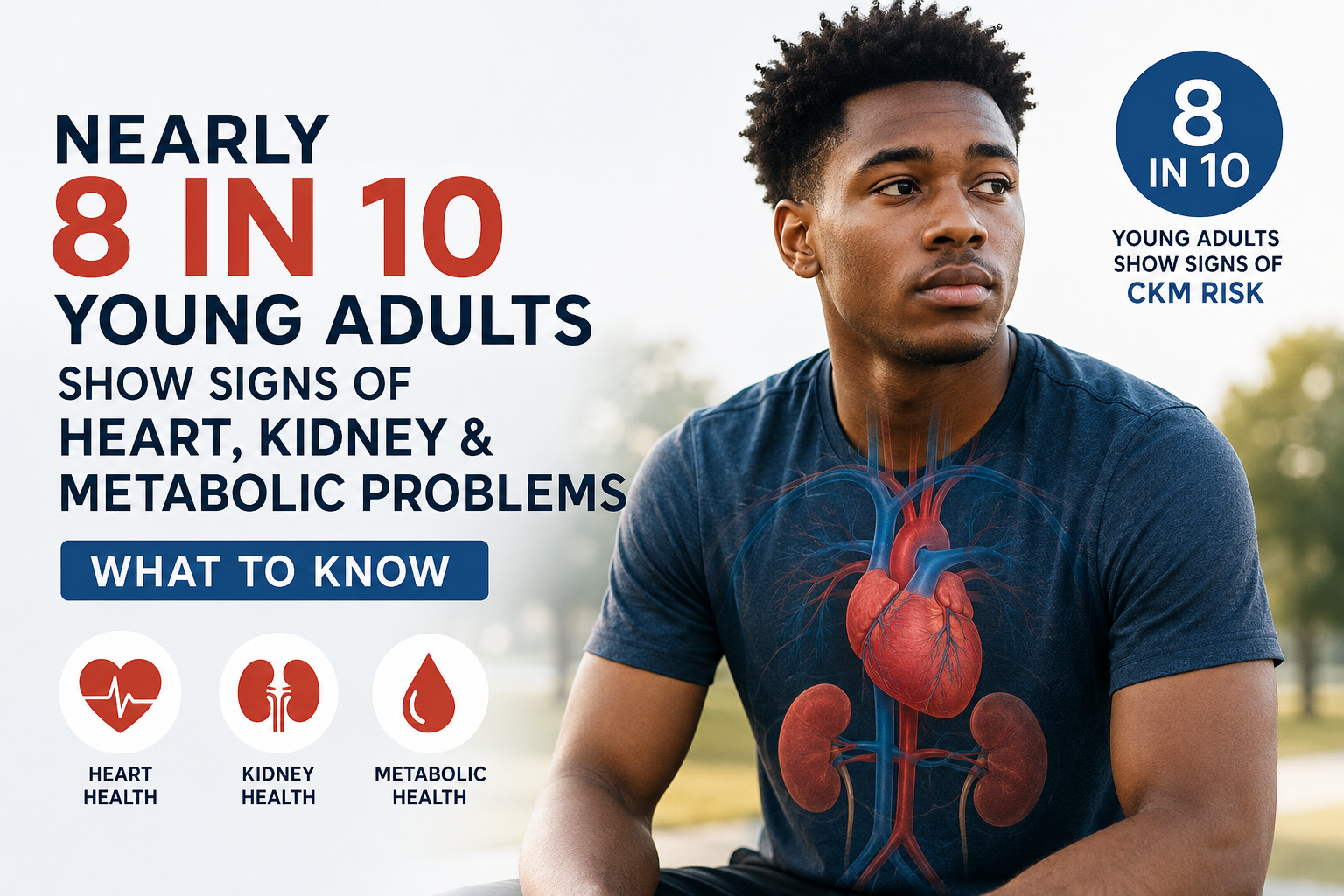
CKM syndrome in young adults is drawing new attention after a study found that nearly 8 in 10 participants had some stage of the condition. Researchers found that nearly 8 in 10 young adults in a U.S. study met the criteria for stages 1 to 3 of cardiovascular-kidney-metabolic (CKM) syndrome. The participants had an average age of about 23, and those in more advanced CKM stages showed early signs of arterial injury.
The findings do not mean that 8 in 10 young adults have heart disease. Instead, CKM syndrome in young adults can involve different stages of cardiovascular, metabolic and kidney-related risk, which is why the study’s results need to be interpreted carefully.
That distinction matters because cardiovascular disease is often viewed as a problem that becomes important later in life. The researchers say the findings suggest prevention and attention to cardiovascular health may need to begin much earlier.
What the New Study Found
The study analyzed health data from 1,283 participants in the Future of Families–Cardiovascular Health Among Young Adults (FF-CHAYA) study. Their average age was 22.9 years.
Researchers classified the participants according to the American Heart Association’s CKM staging framework and also assessed their cardiovascular health using the organization’s Life’s Essential 8 metrics. The approach gives researchers a way to examine CKM syndrome in young adults before cardiovascular disease becomes clinically apparent.
About 20.7% of participants were classified as Stage 0, meaning they had no identified CKM risk factors.
Meanwhile:
- 40.2% were classified as Stage 1.
- 36.2% were classified as Stage 2.
- 2.8% were classified as Stage 3.
- None of the participants were classified as Stage 4.
That means approximately 79% fell within CKM stages 1 through 3. The researchers also examined the participants’ carotid arteries using ultrasound. Those in more advanced CKM stages had thicker carotid artery walls, an early indicator of arterial injury and atherosclerosis.
The study found an association between more advanced CKM stages and signs of early arterial damage, as well as lower Life’s Essential 8 cardiovascular health scores.
What Is CKM Syndrome in Young Adults?
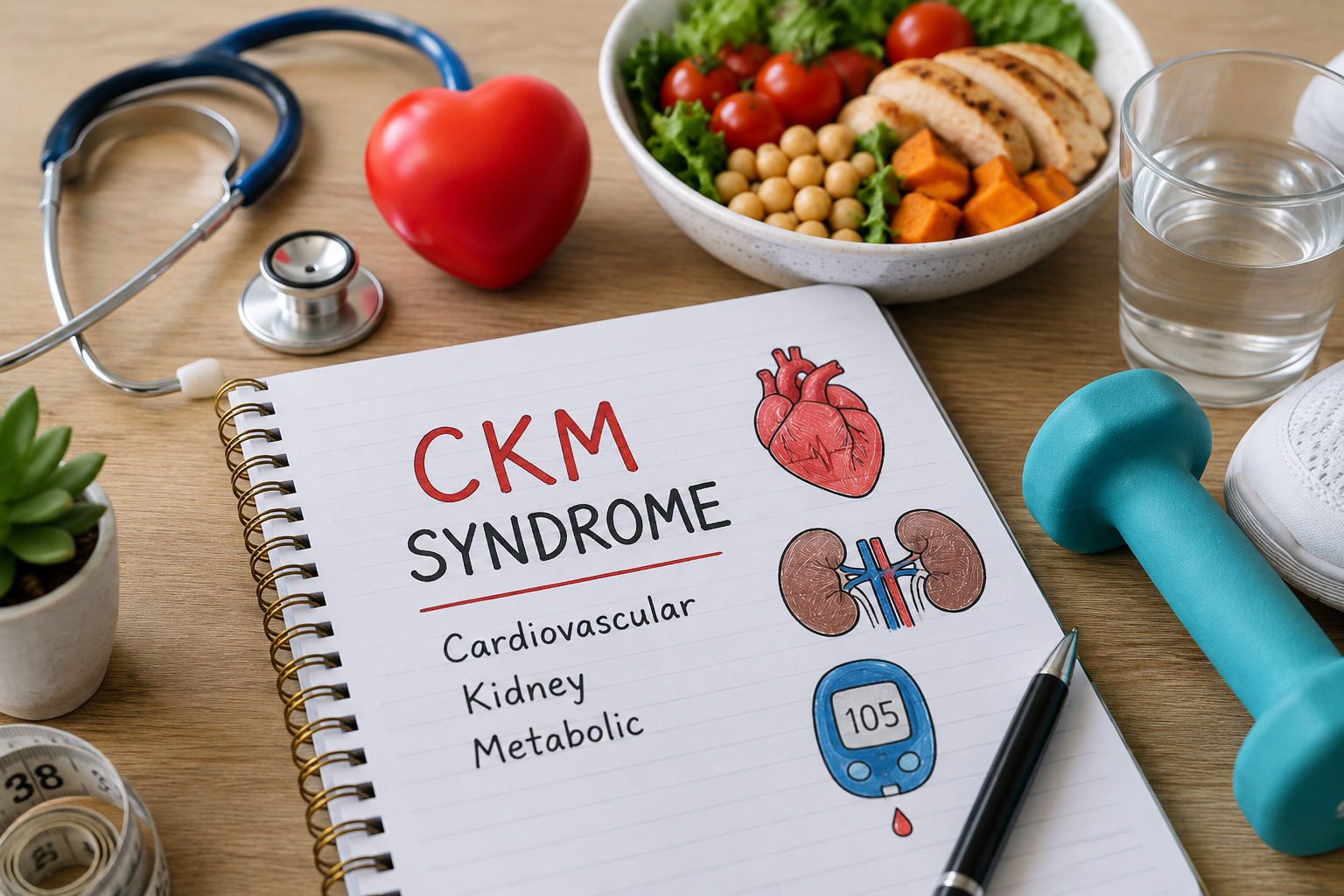
Cardiovascular-kidney-metabolic syndrome, or CKM syndrome, describes the close relationship between metabolic risk factors, kidney disease and cardiovascular disease.
Rather than treating these conditions as completely separate problems, the CKM framework recognizes that changes in one area can be connected to problems in another.
The American Heart Association and American College of Cardiology’s 2026 clinical guideline describes CKM syndrome as an interconnected condition involving metabolic risk factors such as obesity and Type 2 diabetes, chronic kidney disease and cardiovascular disease.
CKM syndrome is divided into stages:
Stage 0: No identified CKM risk factors
A person has no identified risk factors within the staging framework.
Stage 1: Excess or dysfunctional body fat
This stage focuses on excess adiposity, including unhealthy accumulation of body fat.
Stage 2: Metabolic or kidney risk factors
This can include metabolic problems such as high blood sugar, diabetes, abnormal cholesterol or kidney-related risk.
Stage 3: Subclinical cardiovascular disease or high cardiovascular risk
At this stage, there may be evidence of cardiovascular problems that have not yet developed into obvious clinical cardiovascular disease.
Stage 4: Clinical cardiovascular disease
This represents established cardiovascular disease. The young-adult study did not include participants with Stage 4 disease because its focus was on earlier CKM stages and prevention.
Does This Mean 8 in 10 Young Adults Have Heart Disease?
This is probably the most important point to understand about the study. The nearly 80% figure represents participants who met criteria for CKM stages 1, 2 or 3. These stages include different levels of risk, from excess body fat and metabolic risk factors to evidence of subclinical cardiovascular disease.
It does not mean that 80% of the participants had heart attacks, heart failure, stroke or other forms of established cardiovascular disease. In fact, about 21% of the participants had no identifiable CKM risk factors, while none were classified as Stage 4.
The researchers also emphasized that the study was observational and cross-sectional. That means it can show associations between CKM stage, cardiovascular health and arterial measurements, but it cannot prove that CKM risk factors caused the arterial changes.
The researchers also noted that the study population included many people from disadvantaged backgrounds, so the findings may not apply equally to every young adult population. Longer-term research is needed to determine how these findings relate to cardiovascular disease later in life.
Why Can CKM Risk Appear So Early?
The study does not establish one specific cause for the findings. The findings suggest that CKM syndrome in young adults can involve several interconnected risk factors rather than a single health problem.
However, CKM syndrome involves a number of interconnected cardiovascular and metabolic risk factors, including excess body fat, high blood pressure, abnormal cholesterol, high blood sugar and kidney problems.
These factors can develop over time and may begin affecting health before someone experiences obvious symptoms.
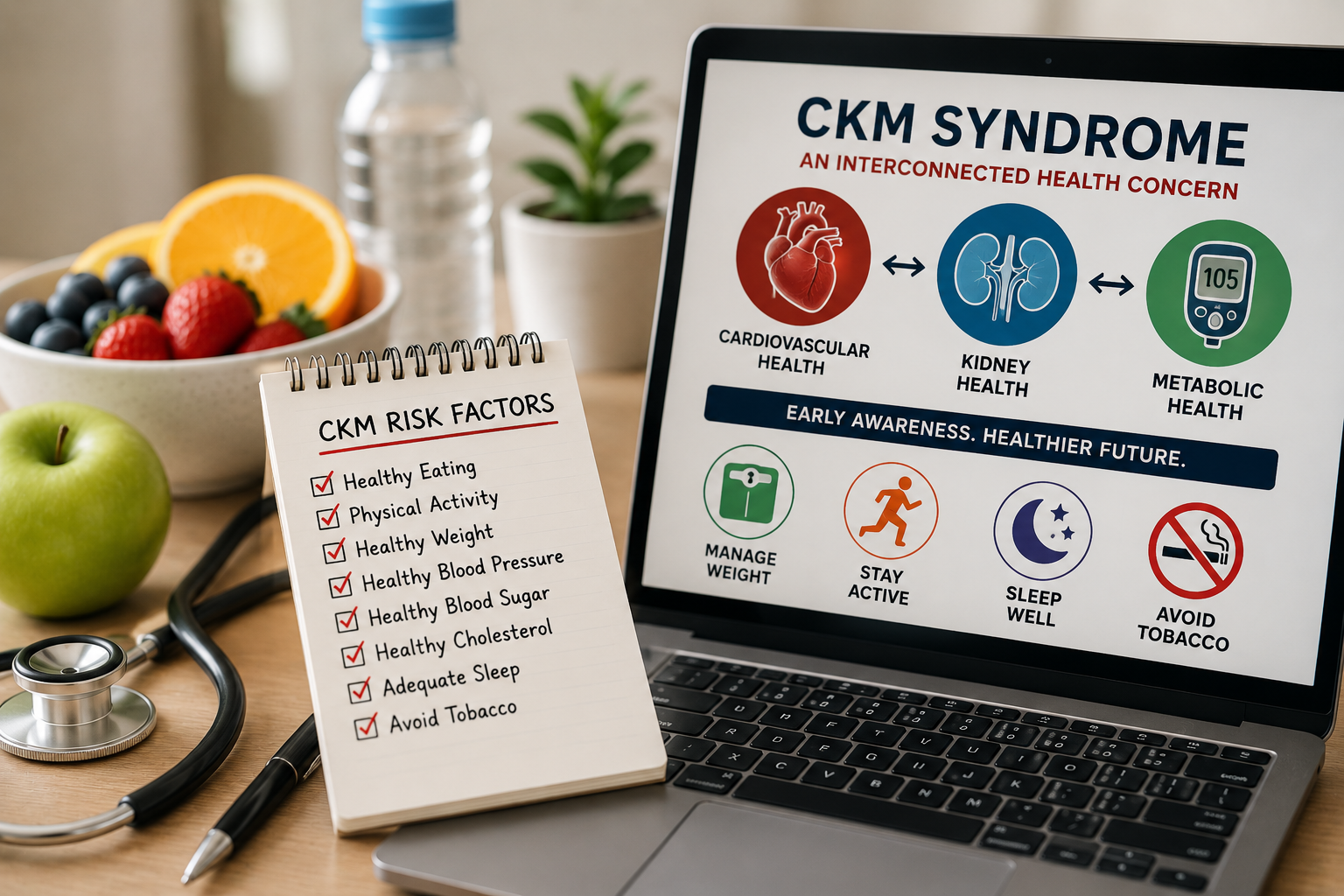
That is one reason the American Heart Association’s Life’s Essential 8 framework emphasizes eight areas of cardiovascular health:
- Healthy eating
- Physical activity
- Avoiding tobacco
- Healthy sleep
- Healthy weight
- Healthy cholesterol
- Healthy blood sugar
- Healthy blood pressure
The researchers found that young adults with more advanced CKM stages also tended to have lower Life’s Essential 8 scores.
What Should Young Adults Pay Attention To?
The findings are not a reason for young people to panic. Instead, the research highlights why CKM syndrome in young adults is becoming an important area of early cardiovascular and metabolic health research.
Young adults can start by paying attention to basic health measures and discussing concerns with a healthcare professional when appropriate.
Know your blood pressure
High blood pressure can increase cardiovascular risk and is one of the factors considered within the CKM framework. Because high blood pressure can occur without obvious symptoms, knowing your numbers can be more useful than waiting until you feel unwell.
Pay attention to blood sugar and cholesterol
Blood sugar and cholesterol are important indicators of metabolic and cardiovascular health. People with risk factors or concerns should speak with a healthcare professional about whether testing is appropriate for them.
Stay physically active
Regular physical activity is one of the core components of the American Heart Association’s Life’s Essential 8 framework. It is not necessary to approach exercise as an extreme fitness challenge. Building consistent movement into everyday life can contribute to better cardiovascular health.
Take sleep seriously
Sleep is also part of the Life’s Essential 8 framework. Poor sleep can be associated with several health risks, making healthy sleep habits an important part of overall cardiovascular health.
Pay attention to diet
A balanced diet can support healthy blood pressure, cholesterol, blood sugar and body weight. The goal should be sustainable healthy eating rather than short-term, restrictive diets.
Avoid tobacco
Tobacco exposure is another major cardiovascular health factor included in the Life’s Essential 8 framework.
What the 2026 CKM Guideline Says
The new study comes at a time when CKM syndrome is receiving increased attention from major medical organizations. In June 2026, the American Heart Association and American College of Cardiology, together with the American Diabetes Association and American Society of Nephrology, issued the first-ever clinical guideline specifically focused on CKM syndrome.
For CKM syndrome in young adults, the emphasis on earlier risk assessment is particularly relevant because many cardiovascular and metabolic risk factors can develop before symptoms appear.
The guideline recommends CKM staging for youths and adults and emphasizes identifying risk factors earlier to help prevent progression. It also recommends routine assessment of metabolic risk factors and kidney function among adults, while addressing factors such as overweight and obesity, diabetes, blood pressure, cholesterol and kidney disease when appropriate.
The timing is significant because the new young-adult study suggests that CKM-related risk is already detectable in people in their early 20s.
Why This Research Matters
For decades, conversations about heart disease have often focused heavily on middle-aged and older adults. This study adds to the evidence that some of the factors associated with later cardiovascular problems can already be present during young adulthood.
The findings add to growing interest in CKM syndrome in young adults, particularly because some cardiovascular and metabolic risk factors can emerge well before adulthood is considered an age of high cardiovascular risk.
But the findings should not be interpreted as a prediction that most young people will develop heart disease. Instead, they highlight an opportunity for earlier prevention.
The researchers say the findings support beginning cardiovascular health efforts earlier in life, before risk factors progress into clinically apparent disease. That message also aligns with the 2026 CKM guideline, which emphasizes prevention, risk assessment and addressing CKM risk factors across the life course.
Frequently Asked Questions
What is CKM syndrome?
CKM syndrome stands for cardiovascular-kidney-metabolic syndrome. It describes the interconnected relationship between metabolic risk factors, kidney disease and cardiovascular disease.
Can young adults have CKM syndrome?
CKM syndrome can affect young adults, particularly when cardiovascular, metabolic or kidney-related risk factors are already present. The 2026 study found that nearly 80% of its young-adult participants met criteria for CKM stages 1 through 3. However, those stages represent different levels of risk and early disease, not necessarily established heart disease.
Does CKM syndrome mean someone has heart disease?
Not necessarily. CKM syndrome includes several stages. Earlier stages can involve risk factors such as excess body fat or metabolic problems, while more advanced stages can involve subclinical cardiovascular disease. Stage 4 represents established cardiovascular disease.
What are the risk factors for CKM syndrome?
Risk factors can include excess body fat, high blood pressure, abnormal cholesterol, high blood sugar or diabetes and kidney disease.
How can young adults protect their cardiovascular health?
Healthy eating, regular physical activity, avoiding tobacco, getting adequate sleep and monitoring factors such as blood pressure, blood sugar, cholesterol and weight can all support cardiovascular health. The American Heart Association groups these areas under its Life’s Essential 8 framework.
Conclusion
The headline number from the new study is striking: nearly 8 in 10 participants in a group of young adults met criteria for stages 1 through 3 of CKM syndrome, highlighting the growing importance of understanding CKM syndrome in young adults.
It does not mean that 8 in 10 young adults have heart disease. Rather, the research found a substantial burden of cardiovascular, metabolic and kidney-related risk factors among participants in their early 20s, with more advanced CKM stages associated with early signs of arterial injury.
For young adults, the bigger takeaway may be that heart and metabolic health are worth paying attention to before serious symptoms appear.
This article is for informational purposes only and is not a substitute for professional medical advice. If you have concerns about your blood pressure, blood sugar, cholesterol, kidney health or cardiovascular risk, speak with a qualified healthcare professional.