
MTN Group is looking for Nigerian investors to acquire a 30% stake in IHS Nigeria, in a potential deal that could raise between $900 million and $1.1 billion, according to people familiar with the matter cited by Bloomberg.
The proposed sale comes days after Nigerian regulators gave conditional approval for MTN’s planned acquisition of the remaining shares in IHS Towers. One of the conditions requires MTN to sell down 30% of IHS Nigeria to local investors.
For MTN, the move could bring significant cash into the business while giving Nigerian investors a stake in one of the country’s most important telecommunications infrastructure companies.
But the bigger question is why MTN is selling part of IHS Nigeria while simultaneously moving to take full ownership of IHS Towers.
What Is the MTN IHS Nigeria Deal?

MTN is seeking Nigerian investors for a 30% stake in IHS Nigeria as part of the conditions attached to its proposed acquisition of IHS Towers. The stake sale could raise between $900 million and $1.1 billion, according to reports.
The $1.1 billion figure is the upper end of a reported potential value, not a confirmed final transaction price. The final value will depend on the eventual structure, valuation and terms of the sale.
Want more Nigerian technology and business stories? Explore more updates and analysis on Naysblog.
Why Is MTN Selling 30% of IHS Nigeria?
The sell-down is tied directly to Nigeria’s competition review of MTN’s proposed IHS acquisition. MTN announced in February that it had agreed to acquire the remaining shares of IHS Towers that it did not already own, taking its ownership of the company to 100% if the transaction is completed. The proposed acquisition covers IHS’s remaining African operations following the company’s disposals of its Latin American assets.
However, the approval process in Nigeria came with conditions.
MTN said in its first-half 2026 results that regulatory approval from the Federal Competition and Consumer Protection Commission (FCCPC) was conditional on MTN selling down 30% of IHS Nigeria to local Nigerian investors on an arm’s-length commercial basis and subject to market conditions.
That means the sale is not simply MTN deciding to cash out of an investment. It is part of the regulatory structure that allows the wider IHS transaction to move forward in Nigeria.
What Is IHS Nigeria and Why Does It Matter?
IHS Towers is one of Africa’s largest telecommunications tower companies. Its infrastructure provides the physical sites and towers that mobile network operators use to deploy their networks. IHS says it has nearly 29,000 towers across Africa serving multiple mobile network operators in key MTN markets.
That makes IHS more than just another company in the telecom sector. Its infrastructure sits underneath the connectivity that millions of people rely on for calls, mobile data and digital services.
IHS Nigeria is therefore strategically important because its towers can support multiple operators in the country’s telecommunications market.
That is also why ownership of the Nigerian business became an important consideration for regulators as MTN moved to acquire the rest of IHS.
How Much Could MTN Raise From the IHS Nigeria Sale?
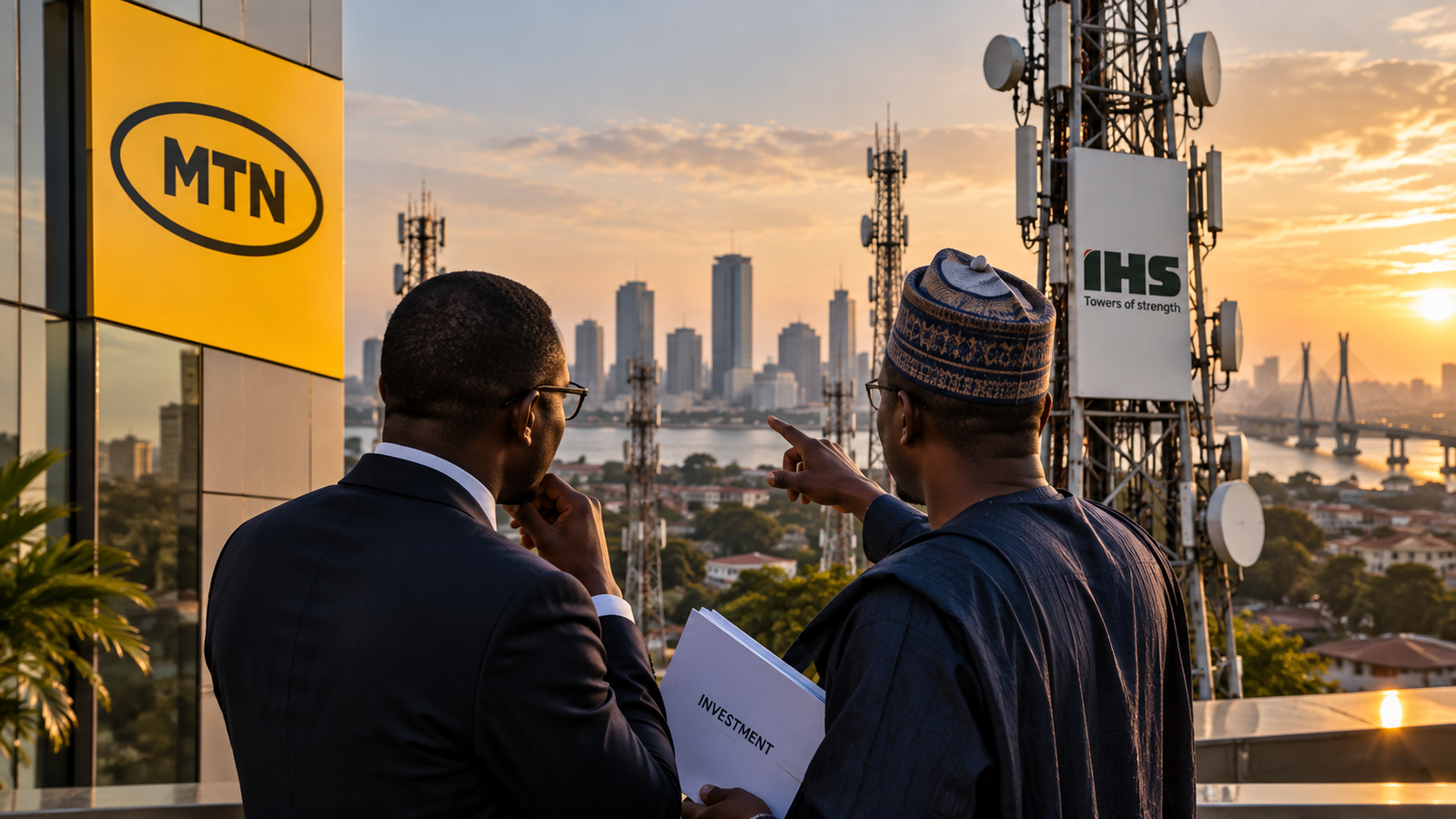
The reported value of the proposed 30% stake is between $900 million and $1.1 billion.
Techpoint reported that MTN is looking for Nigerian investors at that valuation range, citing people familiar with the matter through Bloomberg.
Deal at a glance
- Stake for sale: 30% of IHS Nigeria
- Potential value: $900 million–$1.1 billion
- Potential buyers: Nigerian/local investors
- Reason for sale: Regulatory condition attached to MTN’s IHS acquisition
- Final transaction value: Not yet confirmed
The distinction matters. MTN has not completed a $1.1 billion sale. The amount currently being reported is an estimate of what the stake could raise.
Why Is MTN Selling Part of a Company It Wants to Own?
At first glance, the arrangement may seem contradictory. MTN is seeking to acquire the remaining shares of IHS Towers and take its ownership to 100%. At the same time, it is preparing to sell 30% of the Nigerian component to local investors.
The explanation lies in the regulatory condition.
MTN can pursue greater ownership of IHS at the group level while maintaining a significant Nigerian ownership component through the required sell-down. The structure addresses regulators’ concerns about concentration in Nigeria while allowing MTN to proceed with its wider strategic plan.
MTN’s original acquisition proposal was designed to reintegrate IHS’s tower infrastructure into the group. The company said the transaction would allow it to internalise margins currently paid to IHS, improve cost predictability and strengthen its control over critical digital infrastructure.
Why Were Nigerian Regulators Concerned?
The issue goes beyond who owns the company. Telecommunications towers are critical infrastructure, and IHS serves multiple network operators.
That creates an important competition question: what happens when one of Nigeria’s biggest mobile network operators gains greater ownership of infrastructure that other operators also depend on?
The requirement for Nigerian investors to take a 30% stake provides a way for regulators to address some of those concerns while allowing the wider transaction to proceed.
It also ensures that Nigerian investors retain meaningful ownership in a strategically important part of the country’s telecommunications infrastructure.
What Does the Deal Mean for Nigerian Investors?
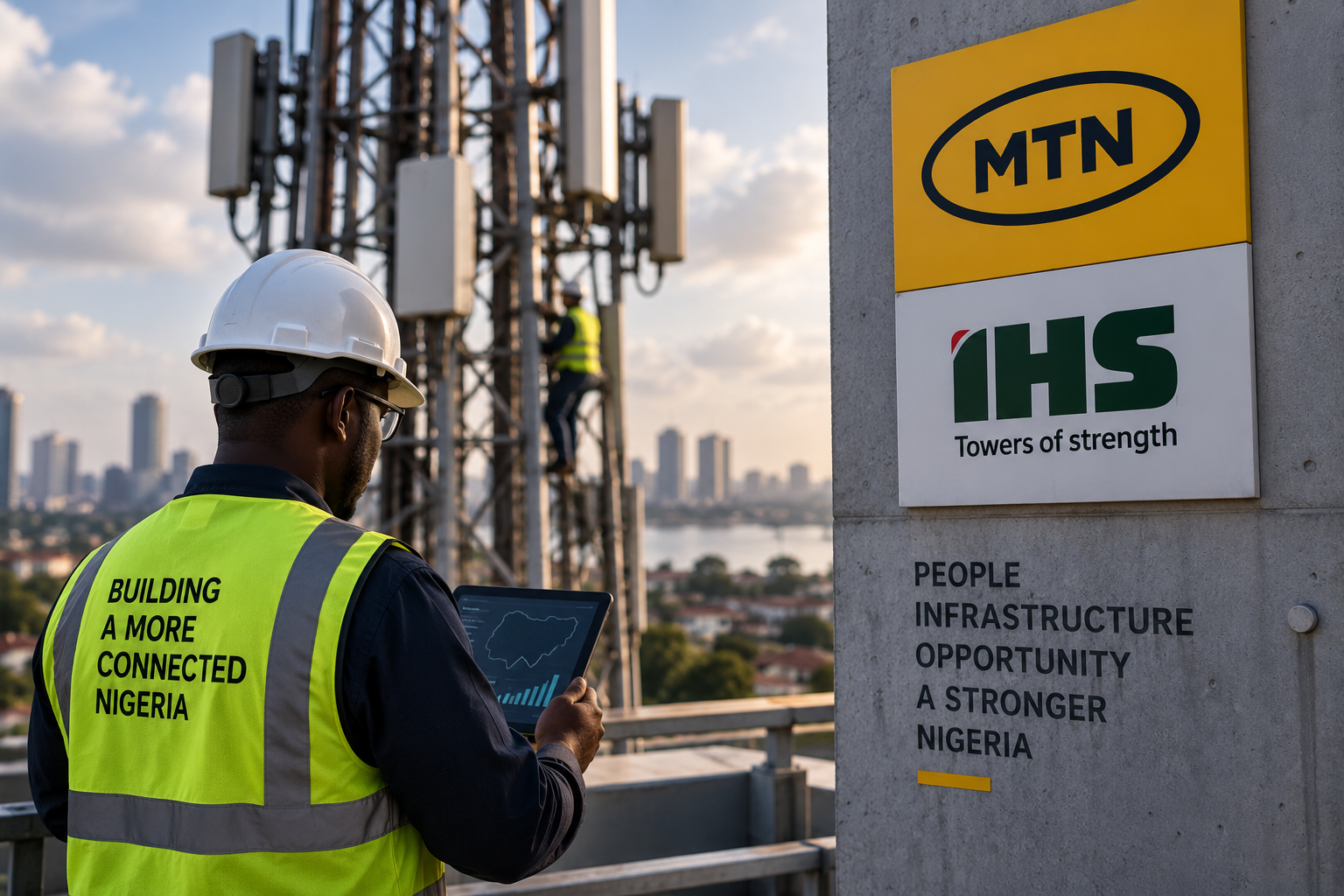
The proposed sale could give Nigerian investors access to a major telecommunications infrastructure business. Unlike a traditional technology startup, a tower company operates infrastructure that can generate revenue from multiple network operators using its sites.
For local investors, that could make the opportunity particularly significant if the transaction is ultimately completed at the reported valuation.
However, the opportunity should not automatically be interpreted as a guaranteed investment win. Potential investors would still need to examine the final valuation, ownership structure, financing arrangements, expected returns, regulatory obligations and the financial performance of IHS Nigeria before committing capital.
The identity of the eventual investors and the final terms of the transaction have not yet been announced.
What Does the MTN IHS Deal Mean for Nigeria’s Telecom Industry?
The consequences could extend beyond MTN and its investors.
More local ownership
The sell-down would put a significant portion of IHS Nigeria in the hands of Nigerian investors. That could increase local participation in the ownership of critical digital infrastructure.
Continued access to tower infrastructure
Because IHS serves multiple network operators, the ownership structure matters to the wider telecom ecosystem. The regulatory conditions are intended to address competition concerns while preserving access to the infrastructure.
A major capital transaction
A potential $900 million–$1.1 billion transaction would be significant for Nigeria’s $1 trillion digital economy. It could also demonstrate the scale of capital that strategic digital infrastructure assets can attract.
MTN could reduce IHS-related debt
MTN CEO Ralph Mupita has said proceeds from any sell-down would be used to pay down IHS-related debt. That gives the transaction another dimension: the sale is not only about satisfying a regulatory condition but could also help MTN manage the financing implications of the wider acquisition.
Is MTN’s IHS Acquisition Complete?
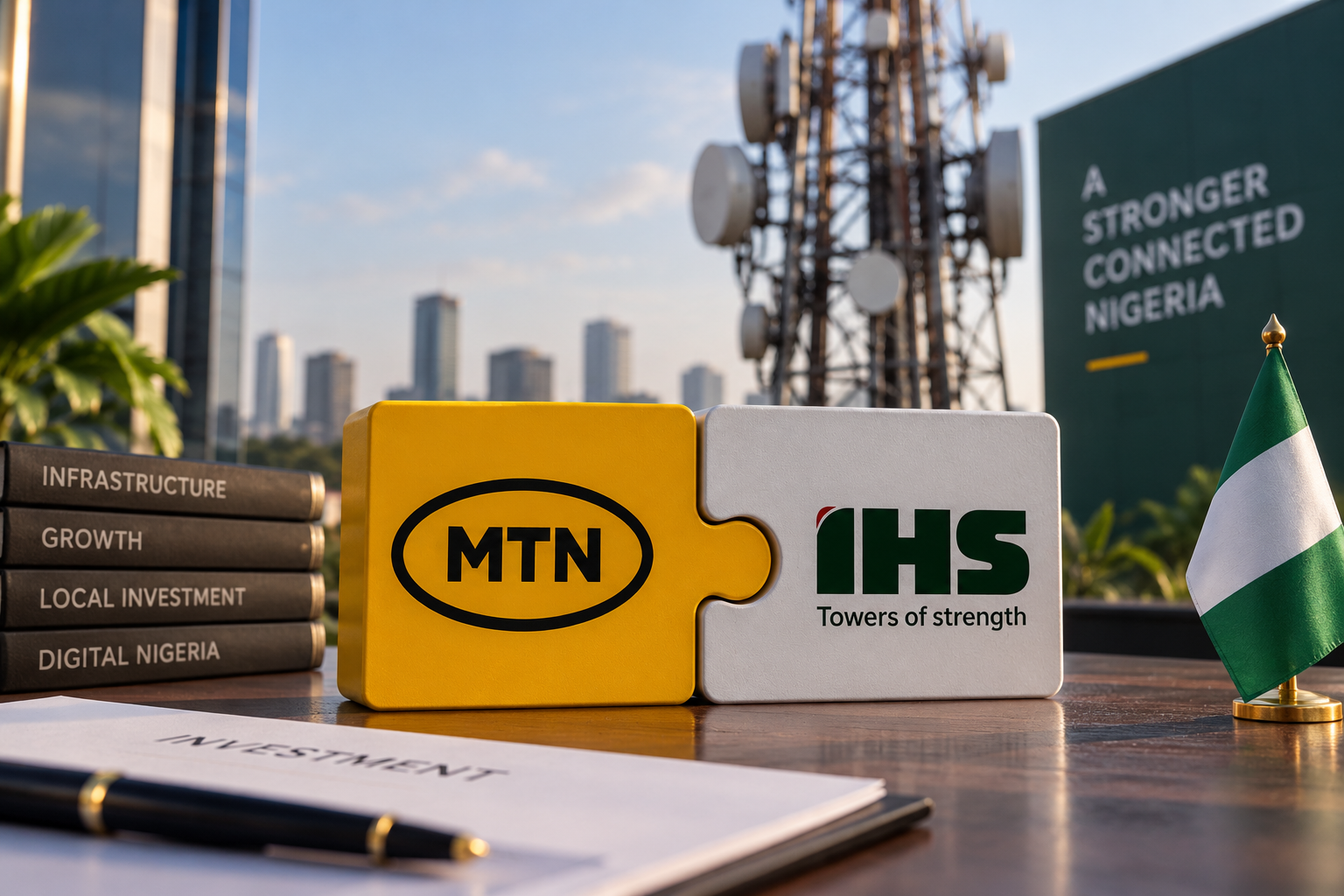
MTN has received regulatory approvals, including conditional approval in Nigeria, but the wider IHS transaction was still subject to remaining regulatory approvals and closing conditions as of the latest company update.
MTN said it expected the IHS transaction to close in the second half of 2026, subject to those remaining requirements. That means the 30% IHS Nigeria sell-down is part of an ongoing transaction rather than a completed deal.
What Happens Next?
The next stage will be watching how MTN structures the Nigerian sell-down.
Key developments to watch include:
- The identification of potential Nigerian investors
- The final valuation of the 30% stake
- The structure and terms of the investment
- Regulatory requirements attached to the sell-down
- The completion of MTN’s wider IHS acquisition
- How the proceeds are ultimately applied toward IHS-related debt
Until those details are announced, the reported $900 million–$1.1 billion range should be treated as an estimate rather than a final transaction value.
Conclusion
MTN’s plan to sell 30% of IHS Nigeria could become one of the more significant technology infrastructure investment deals in Nigeria this year. The potential $900 million–$1.1 billion value makes the sale notable, but the reason behind it is just as important: the sell-down is a condition attached to MTN’s proposed acquisition of IHS Towers.
For Nigerian investors, the transaction could create an opportunity to own part of a major telecom infrastructure business. For regulators, it provides a way to address concerns around concentration and local participation.
And for MTN, the sale could help fund the wider IHS transaction and reduce related debt. The final investors, valuation and transaction structure will determine how significant the deal ultimately becomes.
What do you think MTN’s IHS Nigeria stake sale could mean for Nigeria’s telecom industry? Share your thoughts, and keep up with more technology and business stories on Naysblog.