
Nigeria $1 Trillion Economy is the government’s broader ambition for 2030, with digital technology and transformation expected to play an important role in driving economic growth.
The digital economy is expected to play an important role in that ambition, with investments in connectivity, digital infrastructure, skills, innovation, financial inclusion and technology businesses becoming increasingly important.
A recent move by the National Information Technology Development Agency (NITDA) highlights that direction. The agency signed strategic Memoranda of Understanding with Canadian technology companies Goose FL and Fireflies AI in Toronto, with the agreements focused on financial inclusion, local technology infrastructure, technology transfer, innovation and digital capacity development.
But partnerships and technology investments alone will not turn Nigeria into a $1 trillion economy.
The bigger question is whether Nigeria can convert its growing digital ecosystem into productive businesses, jobs, infrastructure and economic value at scale.
Why Nigeria Is Targeting a $1 Trillion Digital Economy
Nigeria’s $1 trillion economy ambition is broader than the digital sector. The federal government has positioned economic reforms across areas such as energy, agriculture, education, public finance and private-sector development as part of the path toward the target.
Technology, however, has an important role to play.
Nigeria already has a large digital market supported by telecommunications, fintech, online commerce and other technology-enabled services. The country has also developed a growing ecosystem of startups, digital businesses and technology professionals.
That creates an opportunity to make the digital economy in Nigeria a stronger contributor to national economic growth.
The National Information Technology Development Agency is one of the institutions responsible for supporting this development. NITDA’s current priorities include digital literacy and talent development, digital infrastructure and services, cybersecurity, innovation and entrepreneurship, and strategic partnerships.
The challenge is turning these priorities into measurable economic outcomes.
A larger number of people using digital services is valuable, but the bigger economic opportunity comes when businesses can use technology to become more productive, reach larger markets, create jobs and develop products that can compete beyond Nigeria.
What Is Driving Nigeria’s Digital Economy Ambition?
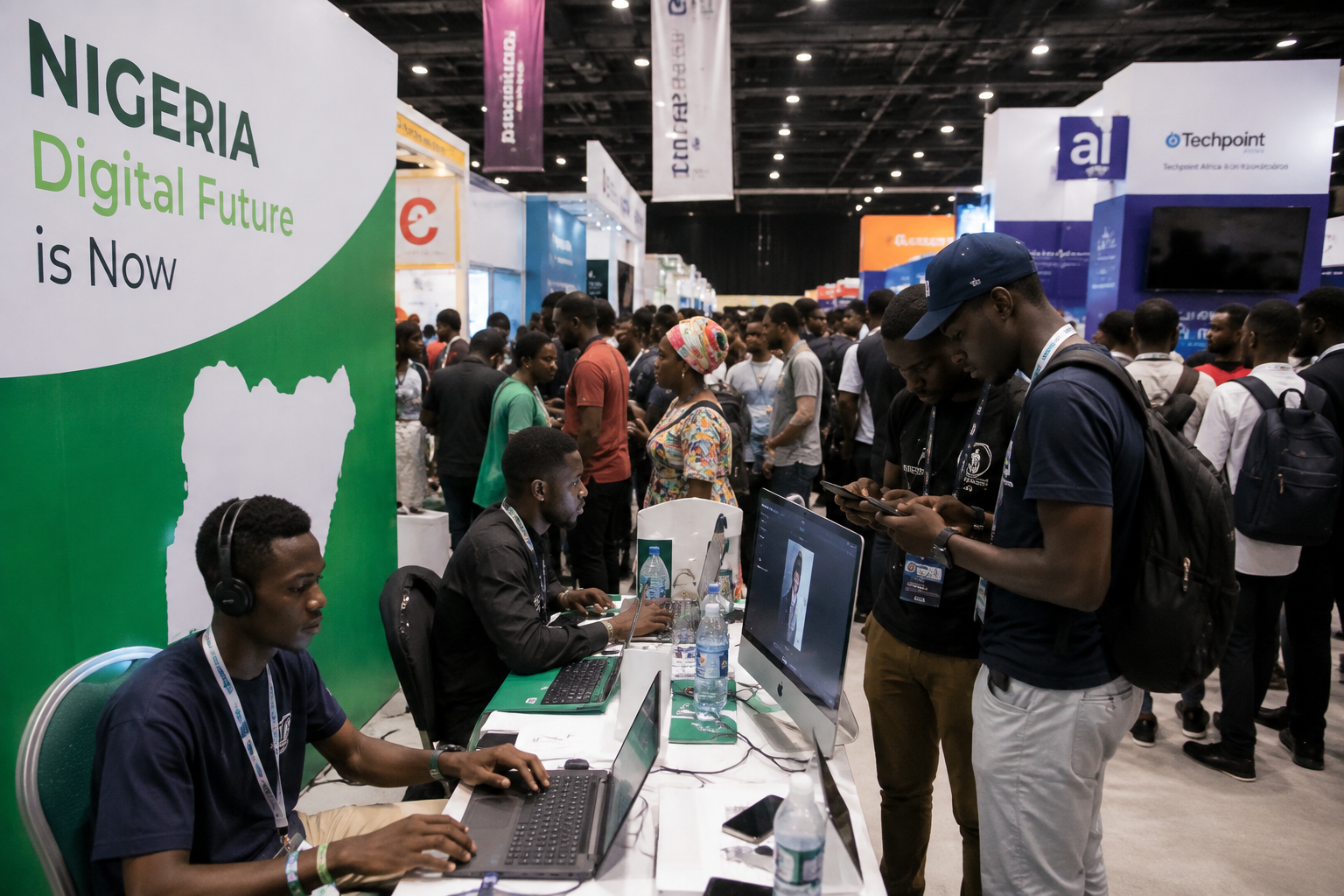
One of the latest developments is NITDA’s international partnership push.
In August 2026, NITDA signed MoUs with Canadian technology companies Goose FL and Fireflies AI during investment-related events in Toronto. The agreements are intended to support financial inclusion, local technology capacity, technology transfer, innovation and digital skills development.
NITDA said the partnerships are part of efforts to strengthen Nigeria’s technology ecosystem and connect it with international expertise.
The financial-inclusion component is particularly relevant to Nigeria, where digital financial services have become an important part of everyday economic activity. Expanding access to those services could allow more individuals and businesses to participate in the formal digital economy.
The partnerships also point to another priority: building more local capacity.
For Nigeria, becoming a stronger participant in the global technology economy cannot depend entirely on importing digital products and services. The country also needs to develop the people, businesses, infrastructure and intellectual property capable of producing technology locally.
That is where technology transfer, skills development and international collaboration can become important.
Subscribe and reclaim your time today.
The success of such partnerships, however, will ultimately depend on what they produce beyond the signing ceremonies. If they lead to stronger local businesses, better skills, new investment and wider access to digital services, their economic impact could extend well beyond the individual agreements.
Digital Infrastructure Will Be Critical
No digital economy can grow without reliable infrastructure. Broadband networks, fibre-optic infrastructure, data centres, cloud services, electricity and digital public infrastructure form the foundation on which modern digital businesses operate.
Nigeria is already making investments in this area.
The World Bank’s Building Resilient Digital Infrastructure for Growth (BRIDGE) project is designed to expand affordable, high-speed broadband connectivity in Nigeria. The project includes plans for a nationwide fibre network and targets the deployment of 90,000 kilometres of new fibre-optic networks through a public-private model.
Nigeria’s $1 trillion economy ambitions will depend partly on whether businesses can access reliable and affordable digital infrastructure.Connectivity, electricity and digital services are essential for companies that want to operate efficiently and expand into larger markets.
A small business needs reliable internet to communicate with customers and process digital payments. An online retailer depends on connectivity to manage orders. A software company needs stable electricity and internet access to operate. Financial technology businesses require dependable infrastructure to process transactions.
The infrastructure gap also affects digital inclusion. If reliable and affordable internet access remains concentrated in major cities, businesses and consumers in underserved communities will have fewer opportunities to participate in Nigeria’s digital economy.
That means expanding connectivity is not only about getting more people online. It is about expanding the number of people and businesses that can contribute to economic activity through digital platforms.
Nigeria Needs More Digital Skills
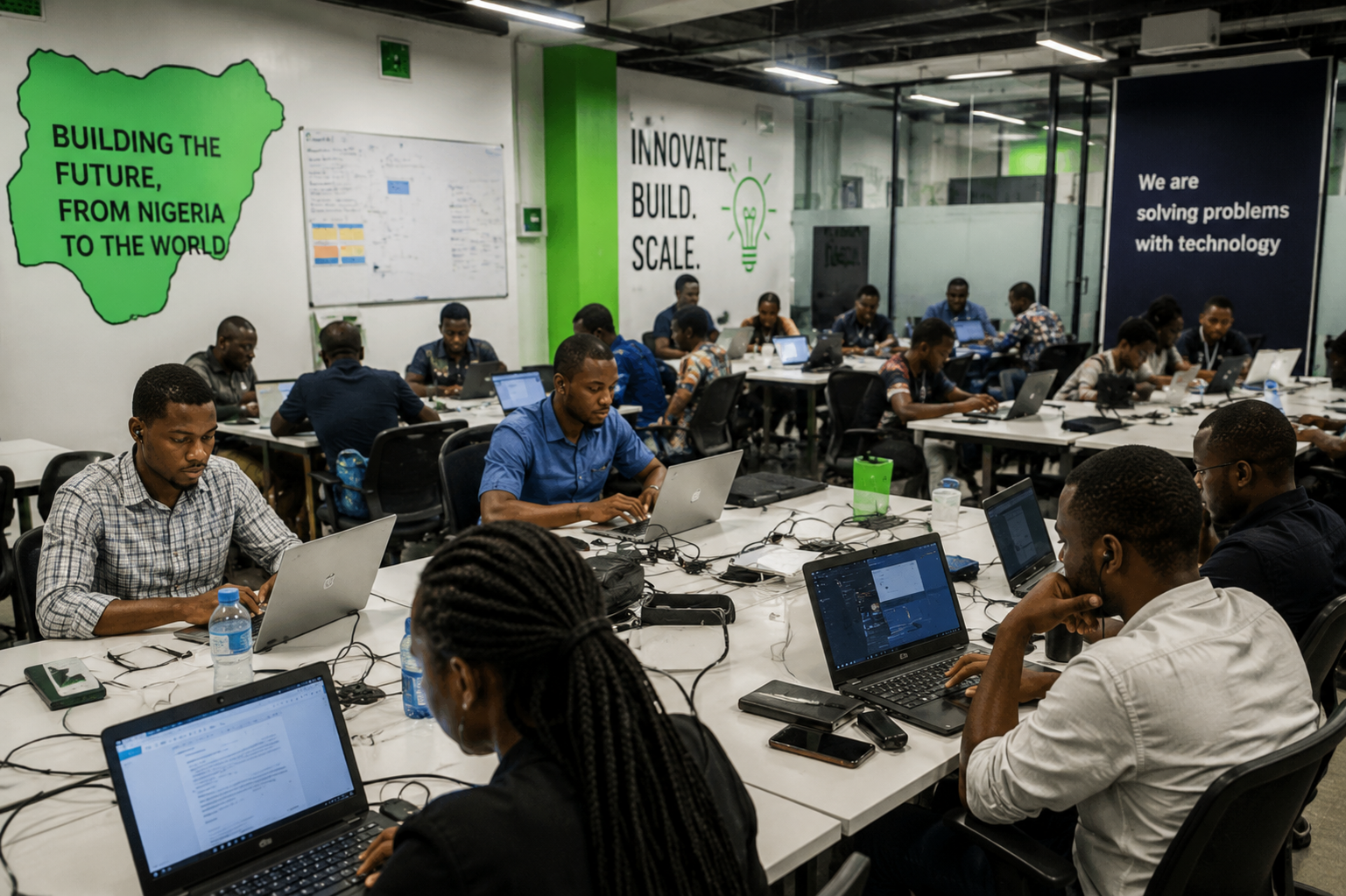
Infrastructure can provide access, but people need the skills to use it productively. Nigeria’s digital transformation therefore depends heavily on developing a workforce capable of supporting technology businesses and digital services.
That includes software developers, cybersecurity professionals, cloud specialists, data professionals, digital entrepreneurs, product managers and other technology workers. Digital skills are also becoming important outside traditional technology companies.
A retailer needs to understand digital payments and online commerce. A small business may need digital marketing skills to reach customers. A financial professional may need to work with digital platforms and data. Government workers increasingly need the ability to operate digital public services.
NITDA has identified digital literacy and talent development among its strategic priorities. The agency has also said it has established more than 100 IT centres nationwide to support digital learning and skills acquisition.
The larger challenge is making sure those skills translate into economic opportunities. Nigeria $1 Trillion Economy ambitions will require more than training people; the country also needs businesses and industries capable of creating productive opportunities for those workers.
Otherwise, skilled workers may continue to look outside the country for opportunities, limiting the amount of value that remains within the domestic economy.
The Role of Fintech and Nigerian Startups
Nigeria’s fintech sector demonstrates what can happen when technology meets a large consumer market. Digital payments and financial technology have changed how individuals and businesses interact with financial services, while Nigerian startups have demonstrated that technology companies can build products for millions of users.
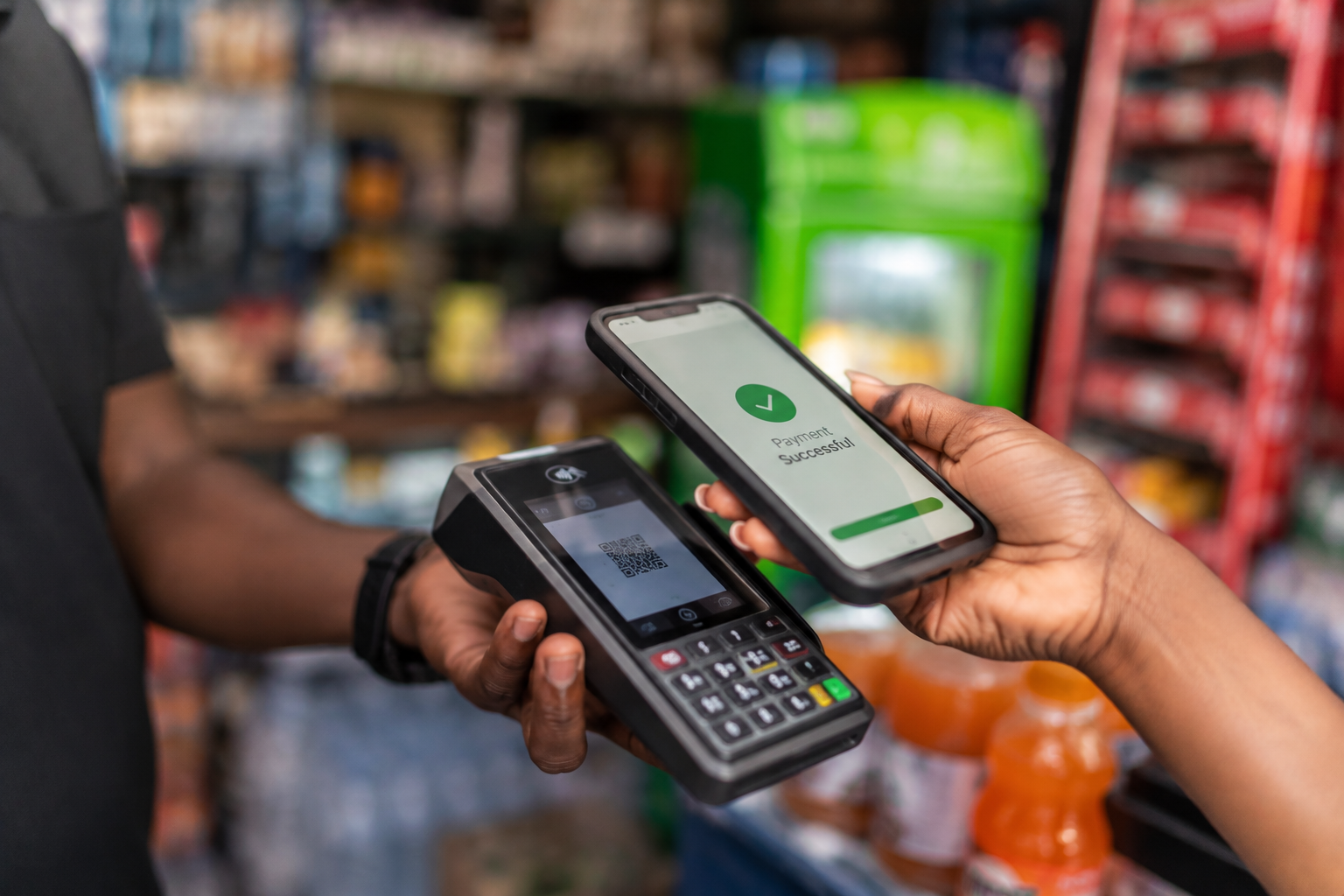
But the next stage of the Nigeria $1 Trillion Economy agenda will depend on whether more technology companies can scale.
That includes fintech businesses, e-commerce companies, software providers, cybersecurity firms, telecommunications businesses and other technology-enabled companies.
The opportunity also extends beyond venture-backed startups. Small and medium-sized businesses can become part of the digital economy by accepting digital payments, selling through online platforms, using cloud services and reaching customers outside their immediate locations.
READ ON :
Digital commerce is another area attracting investment across Africa. The World Bank Group, for example, announced a $25 million equity investment in Jumia Technologies in 2026 to support digital commerce infrastructure and help small businesses access broader markets.
For Nigeria, the larger lesson is that technology can create value beyond the technology sector itself.
This makes the technology sector an important part of Nigeria’s $1 trillion economy agenda, particularly as businesses increasingly use digital tools to improve productivity and reach new customers.
What Could Stop the Nigeria $1 Trillion Economy Ambition?
Nigeria’s digital-economy opportunity is significant, but several challenges could slow its progress. Infrastructure remains one of the biggest issues. Poor electricity reliability, connectivity gaps and the cost of internet access can increase operating costs for businesses and limit digital participation.
Digital skills are another challenge. A country can have millions of internet users without having enough people with the advanced technical skills required to build and maintain complex digital products and infrastructure.
Cybersecurity and digital trust also matter. As more transactions and services move online, businesses and consumers need confidence that their data and money can be protected.
Access to capital is important for startups and small businesses. Technology companies need funding to hire talent, develop products and expand into new markets. Without sufficient access to capital, promising businesses may struggle to scale.
Regulation can influence innovation and investment. Technology businesses need clear and predictable rules that protect consumers while allowing legitimate companies to innovate and grow.
Digital inclusion remains essential. If rural communities and underserved populations cannot access affordable and reliable connectivity, a significant part of Nigeria’s potential digital market remains outside the formal digital economy. These challenges do not mean Nigeria cannot achieve its economic ambition. They show where sustained investment and policy attention will be required.
Nigeria $1 Trillion Economy: Can the Ambition Become Reality?
Nigeria has several important advantages: a large consumer market, an established fintech ecosystem, a growing technology sector and a substantial pool of young people who can participate in the digital economy. But it is important to separate the $1 trillion national economic target from the size of Nigeria’s digital economy.
The $1 trillion figure is the government’s broader economic ambition. The digital economy is one of the areas expected to help drive that growth through technology, innovation, digital services, infrastructure and human capital. That distinction matters because it changes the question.
The issue is not simply whether Nigeria’s digital economy itself can become worth $1 trillion. It is whether digital transformation can become powerful enough to make a meaningful contribution to a much larger Nigerian economy.
There are reasons for optimism.
SEE MORE: Cybersecurity in Africa: The Critical Cyber Threat Facing Businesses in 2026
Nigeria is investing in digital infrastructure, developing technology skills, expanding financial inclusion and seeking international partnerships. The BRIDGE project, for example, is designed to expand broadband infrastructure and mobilise private-sector investment, while NITDA continues to focus on digital skills, infrastructure, innovation and partnerships.
But achieving the wider economic ambition will require progress beyond technology announcements.
Nigeria needs reliable infrastructure, affordable connectivity, skilled workers, stronger local businesses, access to capital and an environment in which technology companies can scale.
The real test will therefore be whether the country’s digital transformation produces more productive businesses, better jobs, stronger infrastructure and greater economic value. The $1 trillion target is ambitious. Whether Nigeria reaches it will depend not only on how quickly the country adopts technology, but on how effectively it turns that technology into sustainable economic growth.
Conclusion
Nigeria’s digital economy is entering an important phase. The country’s push for stronger infrastructure, digital skills, financial inclusion, technology businesses and international partnerships could help technology become a larger contributor to economic growth.
But the path to the Nigeria $1 Trillion Economy target will not be determined by technology alone. The bigger opportunity is to build an economy where digital infrastructure helps businesses grow, skilled workers can find opportunities, startups can scale, consumers can access affordable services and Nigerian companies can compete in international markets.
The recent NITDA partnerships show that Nigeria is actively seeking international collaboration to strengthen its digital ecosystem. The next challenge is turning those initiatives into lasting results. Ultimately, the success of the Nigeria $1 Trillion Economy ambition will depend on how effectively the country converts digital investment into productive businesses, jobs and sustainable economic growth.
Want to read more insights? Visit Naysblog Business for trending and edusctional stories