
Dementia prevention is getting renewed attention after the World Health Organization (WHO) updated its guidance on reducing the risk of cognitive decline and dementia.
The updated guidance says up to 45% of dementia risk may be linked to potentially modifiable factors across the life course. These include physical inactivity, tobacco use, harmful alcohol consumption, social isolation, air pollution and health conditions such as high blood pressure, diabetes and high cholesterol.
But there is an important distinction: 45% does not mean 45% of people can be guaranteed to avoid dementia. The figure refers to the estimated proportion of dementia risk associated with factors that can potentially be changed or addressed.
So, what does the new guidance actually recommend, and what can people do to reduce their risk?
Want more health updates and useful health explainers? Keep reading Naysblog for the latest health news, research and practical guides that help you understand what matters for your wellbeing.
What to know about the new WHO dementia guidance
- WHO says up to 45% of dementia risk may be linked to potentially modifiable factors.
- Dementia cannot currently be completely prevented.
- Risk reduction involves more than one lifestyle habit.
- Managing conditions such as high blood pressure, diabetes and high cholesterol is important.
- Physical activity, healthy eating, social engagement and cognitive activity are part of the broader approach.
- WHO also highlights hearing loss and exposure to air pollution.
- WHO does not recommend certain supplements specifically for dementia prevention in people without a diagnosed deficiency.
What did WHO change in its dementia prevention guidance?
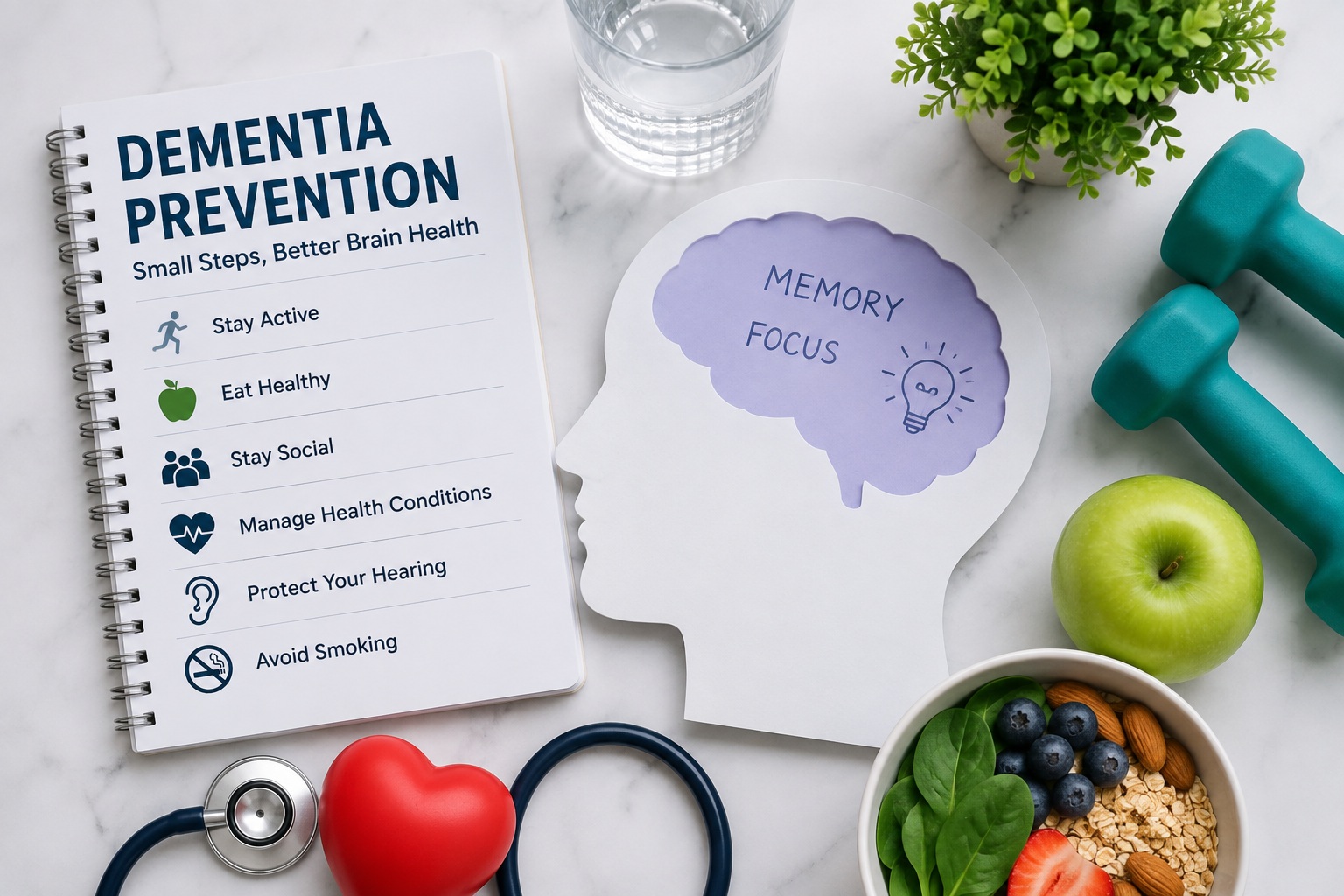
WHO’s updated guidance builds on recommendations it issued in 2019 and incorporates newer evidence on reducing the risk of cognitive decline and dementia. Rather than presenting dementia prevention as a single intervention, the guidance takes a life-course approach. It brings together lifestyle behaviours, management of health conditions and environmental factors that may influence dementia risk.
The recommendations include physical activity, tobacco cessation, reducing harmful alcohol consumption, healthy eating, management of hypertension, diabetes and high cholesterol, social and cognitive engagement, hearing support and reducing exposure to air pollution.
That broader approach matters because dementia does not have one single cause. Some factors, including age and genetics, cannot be changed. Others can potentially be addressed through individual choices, healthcare and wider public-health measures.
What does the 45% dementia risk figure actually mean?
The 45% figure is likely to attract attention, but it needs to be understood correctly. It does not mean that 45% of dementia cases can definitely be prevented.
Instead, WHO’s estimate refers to the proportion of dementia risk associated with factors that are potentially modifiable. Think of dementia risk as a combination of different influences.
Some are difficult or impossible to change, such as age and genetics. Others can potentially be changed, such as smoking, physical inactivity, high blood pressure or harmful alcohol use.
Reducing those modifiable risks does not guarantee that someone will never develop dementia. It means there may be opportunities to lower overall risk or delay cognitive decline.
That distinction is particularly important because there is currently no guaranteed way to prevent dementia completely.
Can Dementia Be Prevented?
Not completely, but dementia prevention can help reduce some risk factors or delay the onset of dementia. Dementia describes a group of conditions that affect memory, thinking and other cognitive abilities. Alzheimer’s disease is the most common form.
Because dementia has multiple causes, prevention is not as simple as taking one supplement, eating one particular food or completing a daily brain-training exercise.
Instead, the evidence increasingly points towards maintaining good overall health throughout life. That is why WHO’s recommendations cover the brain, heart, blood vessels, metabolic health, hearing, social connections and the environment.
How Can You Reduce Your Risk of Dementia?
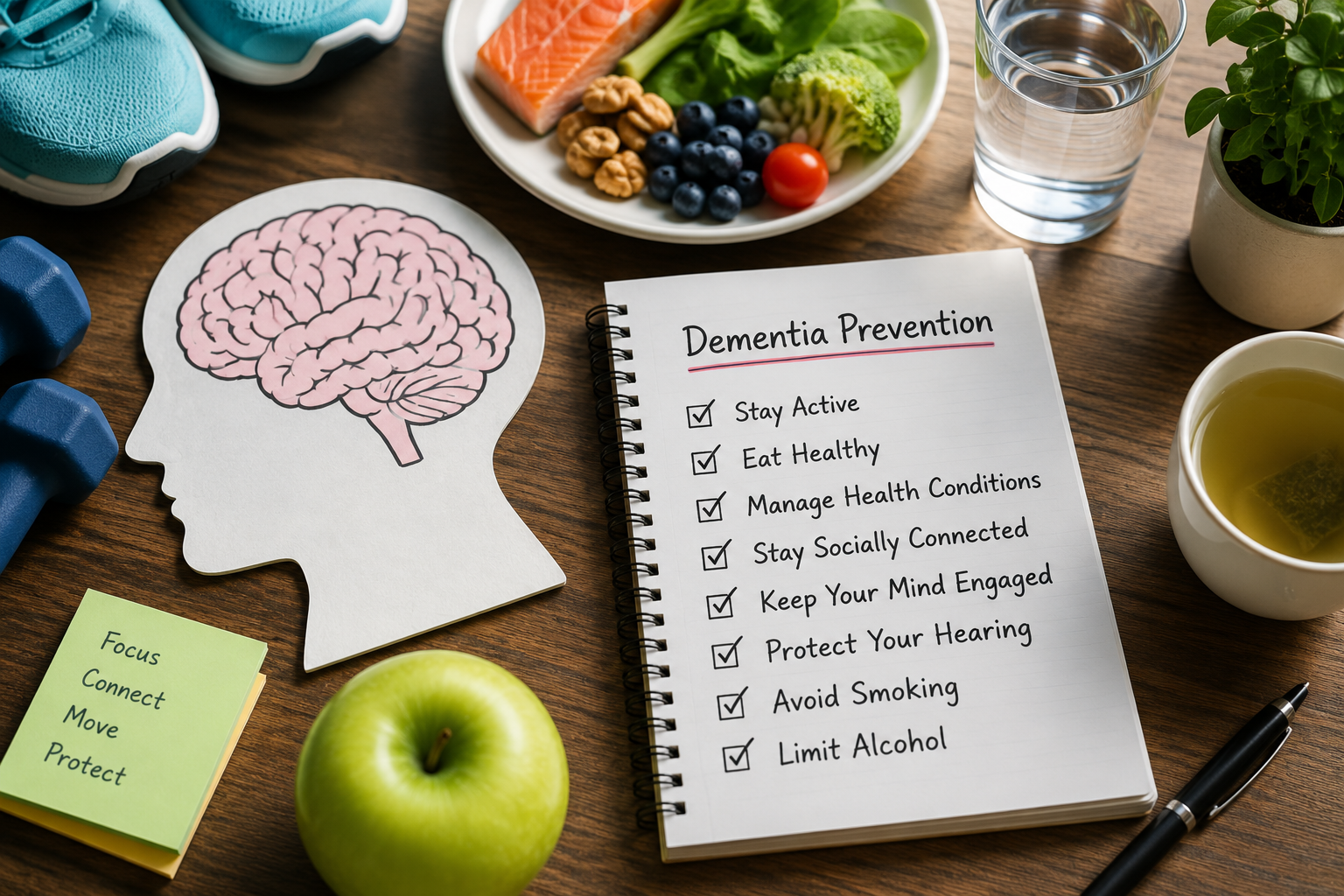
There is no single action that guarantees protection from dementia, but dementia prevention focuses on addressing modifiable risk factors.
Stay physically active
Regular physical activity is part of WHO’s dementia risk-reduction recommendations. Exercise can also benefit cardiovascular and metabolic health. That matters because conditions such as high blood pressure and diabetes are among the factors associated with dementia risk.
Physical activity does not have to mean an intense gym routine. Walking, cycling, swimming, dancing and other forms of regular movement can all contribute to an active lifestyle.
If you have a medical condition or have been inactive for a long time, speak with a healthcare professional about an appropriate exercise routine.
Keep your blood pressure under control
High blood pressure is an important modifiable risk factor. WHO recommends managing hypertension as part of dementia risk reduction. Keeping blood pressure under control can also reduce the risk of other serious cardiovascular complications.
One challenge is that high blood pressure may not cause noticeable symptoms. Regular blood-pressure checks can therefore be useful, particularly for people who have been told they are at risk.
If you have hypertension, follow your healthcare professional’s treatment advice and do not stop prescribed medication without medical guidance.
Manage diabetes and high cholesterol
Dementia prevention is closely connected with long-term cardiovascular and metabolic health. WHO includes management of diabetes and high cholesterol among its recommendations for reducing dementia risk.
These conditions can affect blood vessels and overall health, which is why identifying and managing them matters beyond dementia alone. Regular medical checks can help identify problems and determine whether lifestyle changes, medication or other treatment is appropriate.
Don’t smoke
Tobacco use is another modifiable risk factor highlighted by WHO. Stopping smoking can reduce exposure to tobacco-related health risks and may also contribute to lower dementia risk.
For people who smoke, quitting can be difficult. Professional support, cessation programmes and appropriate treatments can make the process easier.
Limit harmful alcohol use
WHO also recommends reducing harmful alcohol consumption. The recommendation is not a claim that everyone who drinks alcohol will develop dementia. Rather, excessive or harmful alcohol use is associated with a range of health problems, including problems relevant to brain health.
The practical takeaway is to avoid treating alcohol as something that protects the brain and to reduce harmful consumption.
Eat a healthy diet
There is no single food that has been proven to prevent dementia. However, WHO recommends a healthy diet as part of dementia risk reduction.
The focus should be on an overall eating pattern rather than a miracle food or a product marketed as a brain booster. A balanced diet containing nutritious foods such as vegetables, fruits, whole grains, legumes, fish and other healthy choices can support general health. Learning how to build a healthy diet on a budget can also make these habits easier to maintain.
Healthy eating can also help with conditions such as obesity, diabetes and cardiovascular disease, which are relevant to long-term brain health.
Stay socially and mentally engaged
Brain health is not only about physical health. WHO’s recommendations also include cognitive stimulation and engagement in social activities for people with normal cognition or mild cognitive impairment.
That can mean reading, learning a new skill, participating in social activities, having meaningful conversations or staying involved in community life.
However, it would be misleading to say that a particular puzzle, game or brain-training app can guarantee protection against dementia. The broader goal is to maintain cognitive and social engagement throughout life.
Protect your hearing
Hearing loss is another factor included in WHO’s updated guidance. WHO recommends offering hearing aids to adults with hearing loss when appropriate as part of dementia risk reduction.
Hearing problems can also make conversations and social participation more difficult. If you or someone close to you is struggling to hear everyday conversations, a hearing assessment can help determine whether hearing loss is present and what support may be appropriate.
Reduce exposure to air pollution
Air pollution is another important part of the updated guidance. Unlike smoking or physical inactivity, exposure to polluted air is not always something an individual can control. Where someone lives, works and travels can significantly affect exposure.
Still, reducing exposure where practical is part of the broader approach WHO recommends.
This also highlights an important point about dementia prevention: not every risk factor can be solved by individual lifestyle choices alone.
Some require action from communities, healthcare systems and governments.
What are the biggest modifiable dementia risk factors?
WHO’s dementia prevention recommendations bring several modifiable risk factors together.
| Modifiable risk factor | What can help |
|---|---|
| Physical inactivity | Build regular movement into daily life |
| High blood pressure | Check and manage blood pressure |
| Diabetes | Monitor and manage blood sugar appropriately |
| High cholesterol | Get cholesterol checked and follow medical advice |
| Tobacco use | Stop smoking and seek support if needed |
| Harmful alcohol use | Reduce excessive alcohol consumption |
| Unhealthy diet | Follow a balanced, nutritious eating pattern |
| Social isolation | Maintain meaningful social connections |
| Hearing loss | Get hearing assessed and use appropriate hearing support |
| Air pollution | Reduce exposure where practical |
| Low cognitive engagement | Stay mentally and socially active |
These factors should not be viewed as a guarantee against dementia. Someone can have a healthy lifestyle and still develop dementia, while having one or more risk factors does not mean dementia is inevitable.
The purpose of risk reduction is to address the factors that can potentially be changed.
What about vitamins and dementia supplements?
This is one area where popular dementia prevention advice can get ahead of the evidence. WHO does not recommend vitamin B or E supplements, omega-3 supplements or multivitamins/minerals specifically to reduce the risk of cognitive decline or dementia in people who do not have a diagnosed deficiency.
That distinction matters. A person with a genuine nutritional deficiency may need treatment, but taking a supplement simply because it is marketed as a dementia-prevention product is a different question.
Getting essential nutrients from a balanced diet is generally a better starting point than relying on supplements without a diagnosed deficiency.
There is currently not enough evidence to treat these supplements as proven dementia-prevention strategies. People should also be cautious about products that promise to “boost memory” or prevent Alzheimer’s disease without strong clinical evidence.
Does dementia prevention start in old age?
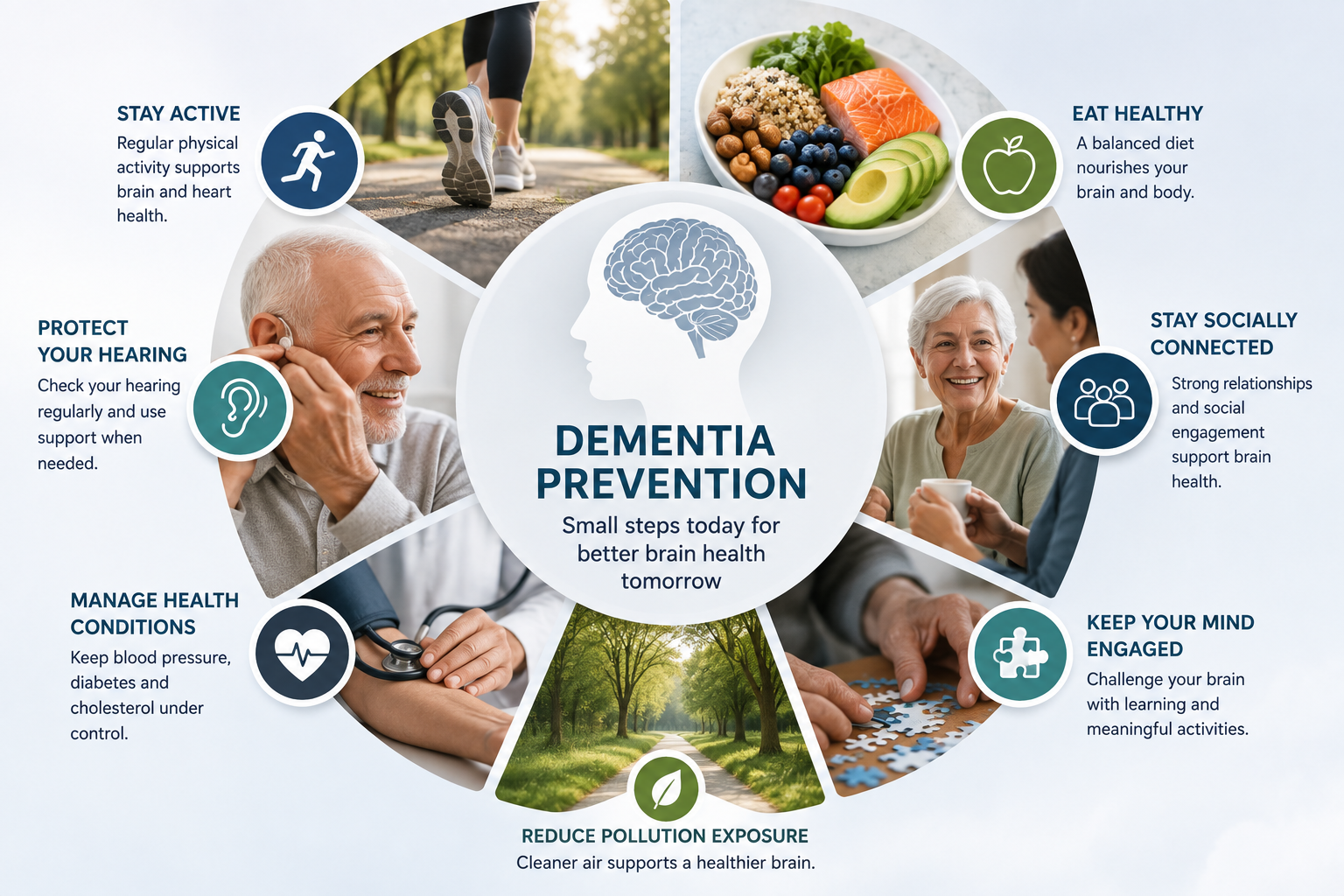
WHO’s dementia prevention approach considers risk across the life course. That means some of the factors associated with dementia can be addressed decades before dementia becomes a concern.
This is not a reason for young people to become anxious about developing dementia.
Rather, many of the same habits that support healthy aging being physically active, avoiding tobacco, eating well and managing blood pressure and other health conditions also benefit overall health.
Dementia prevention is therefore not something that needs to begin only when someone reaches old age.
Can exercise reduce dementia risk?
Regular physical activity is recommended as part of dementia risk reduction. Exercise supports cardiovascular health and can help with conditions such as high blood pressure and diabetes, which are themselves relevant to dementia risk.
But exercise should not be described as a guarantee against dementia. It is one part of a broader risk-reduction strategy.
Does high blood pressure increase dementia risk?
High blood pressure is a recognised modifiable risk factor associated with cognitive decline and dementia. Managing it can therefore be part of a wider approach to protecting long-term brain health. Because hypertension can occur without obvious symptoms, regular blood-pressure checks are important.
Anyone diagnosed with high blood pressure should discuss appropriate treatment and monitoring with a healthcare professional.
Can a healthy diet prevent dementia?
A healthy diet can support overall health and is included in WHO’s dementia risk-reduction recommendations. However, there is no single food or diet that can guarantee protection from dementia.
The more accurate message is that a nutritious, balanced eating pattern can contribute to better cardiovascular and metabolic health, which are important parts of long-term brain health.
Do vitamins prevent dementia?
Not according to current evidence for people without a diagnosed deficiency. WHO does not recommend vitamin B or E supplements, omega-3 supplements or multivitamins/minerals specifically for dementia prevention in people without a deficiency.
People should speak with a healthcare professional before using supplements to treat or prevent a health condition.
At what age should you start thinking about dementia prevention?
Dementia risk reduction can begin at any stage of life. WHO’s life-course approach recognises that risk factors can accumulate over time. That does not mean everyone needs to worry about dementia when they are young.
Instead, it means healthy habits and appropriate management of health conditions are worth maintaining throughout adulthood.
The bigger message behind WHO’s dementia update
The most important message from the updated guidance is not that there is now a way to guarantee protection from dementia. There isn’t.
Instead, the guidance reinforces the idea that dementia risk is influenced by more than age and genetics. Some of the factors associated with dementia can potentially be modified through healthier lifestyles, appropriate medical care, social engagement and action on environmental risks.
The 45% estimate should therefore be understood as an opportunity for risk reduction not a promise.
For individuals, that can mean staying active, avoiding tobacco, limiting harmful alcohol use, eating a healthy diet, monitoring blood pressure and other health conditions, maintaining social and cognitive engagement, addressing hearing loss and reducing exposure to air pollution where possible.
For healthcare systems and governments, it also points to a wider responsibility to make healthy choices and preventive care more accessible.
Dementia cannot currently be completely prevented. But the evidence increasingly suggests that there are meaningful steps people and societies can take to reduce potentially modifiable risk and support healthier ageing.
Medical information disclaimer: This article is for informational purposes only and is not a substitute for professional medical advice, diagnosis or treatment. Anyone concerned about memory changes, cognitive symptoms, blood pressure, diabetes, hearing loss or another health problem should speak with a qualified healthcare professional.
If you found this guide useful, explore more health stories and explainers on Naysblog, and share this article with someone who may find it helpful. Read more health stories on Naysblog.