
Cybersecurity threats businesses face in 2026 are becoming more sophisticated and costly than ever before. It no longer matters whether you run a small startup, an online store, or a multinational company. If your business relies on technology, you’re a potential target.
Cybercriminals are becoming more organized, and their attacks are becoming more sophisticated. Artificial intelligence, cloud computing, and remote work have transformed how businesses operate, but they’ve also created new opportunities for attackers.
The reality is simple: preventing a cyberattack is far less expensive than recovering from one.
Businesses can strengthen their security posture by following the NIST Cybersecurity Framework, which provides practical guidance for identifying, protecting, detecting, responding to, and recovering from cyber threats.
Understanding the cybersecurity threats businesses face in 2026 helps organizations prioritize their security investments and reduce the risk of costly cyber incidents.
Cybersecurity Threats Businesses Face in 2026: Why They Matter More Than Ever
Businesses now operate in a digital-first world. Employees work remotely, customers expect online services, and valuable business information is stored across cloud platforms, mobile devices, and connected systems.
While these technologies improve productivity, they also expand a company’s attack surface. Cybercriminals don’t only target large organizations anymore.
RECOMMENDED: WhatsApp Usernames Explained: 8 Things You Need to Know About How to Create One, Privacy Benefits & Features (2026)
Small and medium-sized businesses are increasingly attacked because they often have fewer security resources but still hold valuable financial and customer information.
A single successful cyberattack can lead to financial losses, legal penalties, operational downtime, and long-term reputational damage.
Cybersecurity has evolved from an IT responsibility into a business priority.
AI-Powered Cyber Attacks
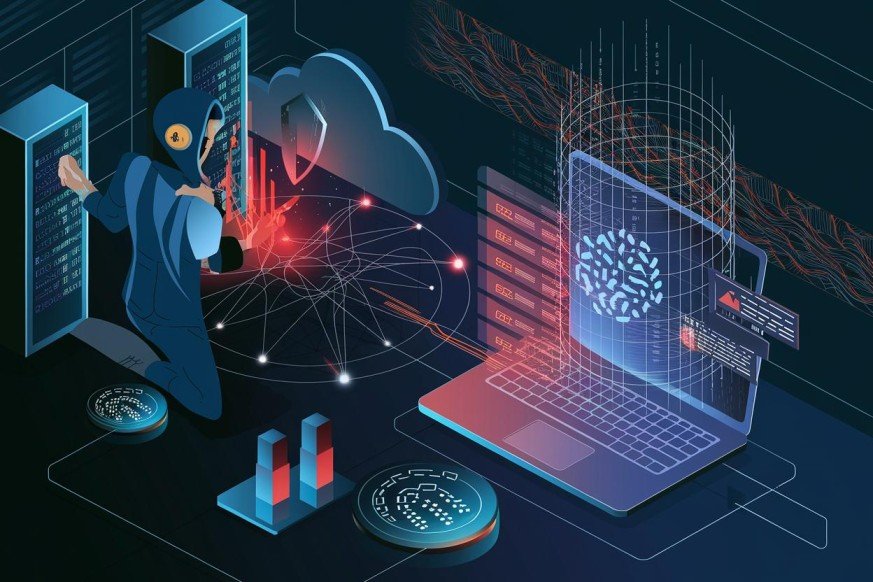
AI is rapidly changing the cybersecurity threats businesses face in 2026, allowing attackers to automate phishing campaigns, malware creation, and vulnerability discovery. Businesses use AI to detect threats faster, while cybercriminals use it to launch smarter attacks.
AI can automatically generate phishing emails, write convincing fake messages, scan networks for weaknesses, and even adapt malware to avoid detection.
Instead of spending weeks preparing an attack, criminals can now automate much of the process. This allows them to target more organizations in less time. Organizations should also monitor alerts from the Cybersecurity and Infrastructure Security Agency (CISA) to stay informed about emerging cyber threats.
Businesses should respond by using AI-powered threat detection tools alongside experienced security teams. Technology is most effective when combined with human judgment.
Ransomware Continues to Evolve
Ransomware remains one of the costliest cyber threats businesses face. Modern ransomware groups no longer stop at encrypting files.
Many now steal sensitive information before locking systems. Victims are pressured to pay not only to recover their data but also to prevent confidential information from being leaked publicly.
This tactic, known as double extortion, has made ransomware even more damaging. The best defense starts with preparation.
According to the IBM Cost of a Data Breach Report, data breaches continue to have significant financial and operational impacts on organizations.
Businesses should maintain secure offline backups, update software promptly, monitor endpoint activity continuously, and regularly test disaster recovery plans.
Organizations that can restore systems quickly are far less likely to pay a ransom.
Phishing and Social Engineering Scams
Phishing remains one of the easiest ways for attackers to gain access to business systems. The difference in 2026 is that phishing emails look far more convincing.
AI enables attackers to personalize messages using publicly available information. Employees may receive fake invoices, password reset requests, or urgent emails that appear to come from trusted executives.
Some criminals even use AI-generated voice calls to impersonate managers during financial transactions. Businesses should invest in regular security awareness training.
Employees who know how to recognize suspicious requests often stop attacks before technology even becomes involved. Multi-factor authentication adds another layer of protection when passwords are compromised.
Cloud Security Misconfigurations
Cloud security mistakes remain one of the leading cybersecurity threats businesses face in 2026, especially as organizations move more workloads online.
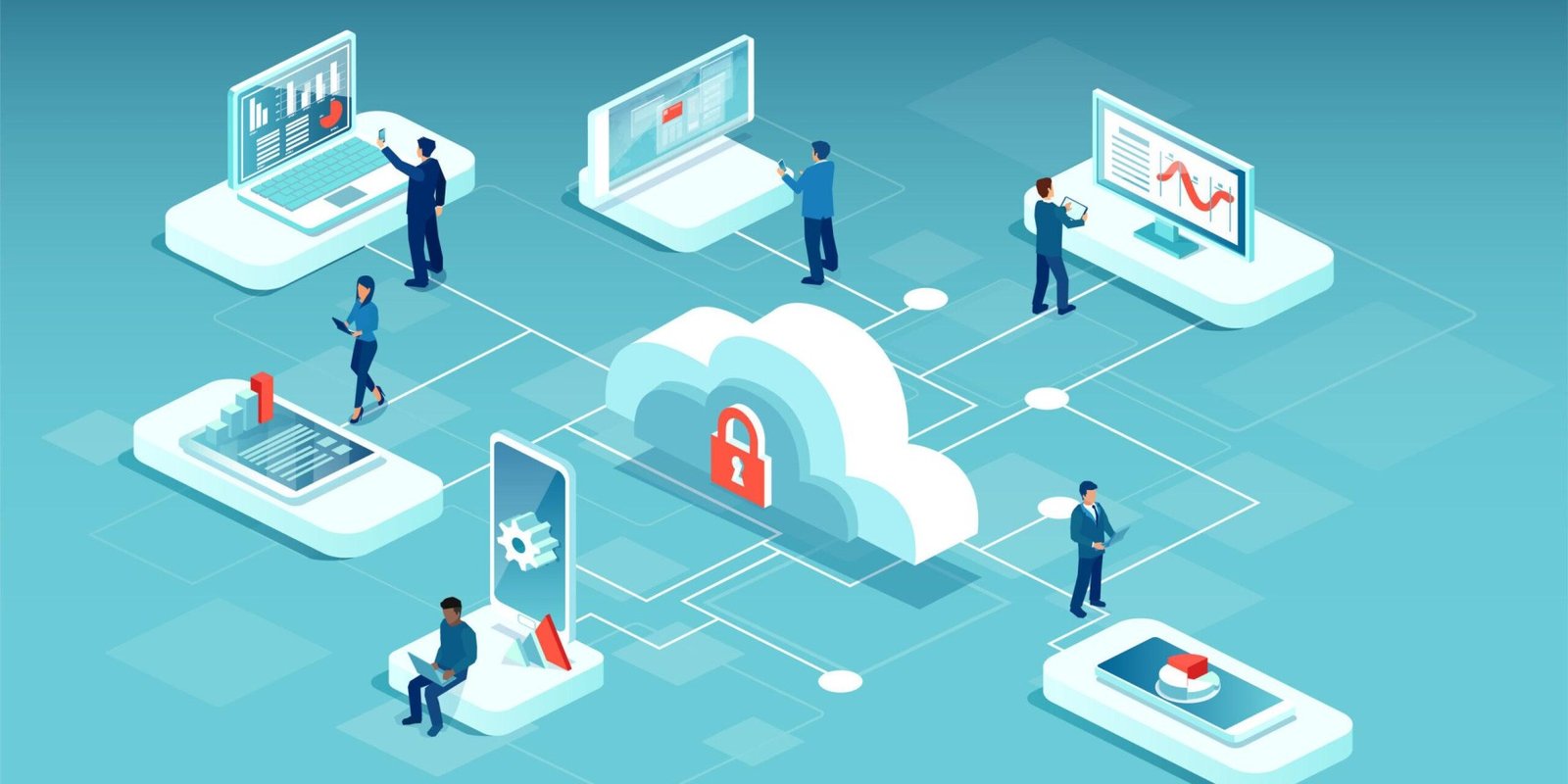
However, cloud providers secure the infrastructure, while businesses remain responsible for protecting their own data and access settings.
Simple mistakes such as publicly accessible storage, excessive permissions, or weak identity management continue to expose sensitive information.
Routine security audits, encryption, access reviews, and continuous monitoring significantly reduce these risks. Cloud security should never be treated as a one-time setup.
Insider Threats
Not every cyber threat originates outside an organization. Employees, contractors, and third-party partners can accidentally expose confidential information through simple mistakes.
Others may intentionally steal company data or misuse privileged access. As businesses store more information digitally, insider threats become increasingly difficult to ignore.
Limiting user access based on job responsibilities, monitoring unusual account activity, and implementing data loss prevention tools help reduce internal risks.
A culture of cybersecurity awareness is equally important. Employees should understand that security is everyone’s responsibility.
Supply Chain Attacks
Supply chain compromises continue to rank among the most serious cybersecurity threats businesses face in 2026 because they affect multiple organizations at once. Businesses rely on software vendors, cloud providers, payment processors, and other third-party services every day.
Unfortunately, attackers recognize that compromising one trusted supplier can provide access to hundreds or even thousands of businesses. The Microsoft Digital Defense Report highlights how supply chain attacks have become an increasingly common tactic used by cybercriminals.
Supply chain attacks have become one of the fastest-growing cybersecurity risks. Organizations should carefully evaluate vendors before sharing sensitive information.
Security assessments, contractual security requirements, and regular reviews help reduce third-party risk. Trust should always be verified.
IoT Device Vulnerabilities
Internet of Things (IoT) devices continue to expand across workplaces. Smart cameras, connected printers, access control systems, manufacturing equipment, and environmental sensors all improve operational efficiency.
However, many connected devices receive infrequent software updates or continue using default passwords. These weaknesses create easy entry points for cybercriminals.
Businesses should inventory every connected device, separate IoT networks from critical systems, change default credentials immediately, and keep firmware updated. Every connected device deserves the same attention as a computer or server.
Deepfake and AI-Driven Fraud
Artificial intelligence has made deepfake technology remarkably realistic. Attackers can now create convincing audio and video recordings that imitate executives, employees, or business partners.
Some organizations have already suffered financial losses after employees approved fraudulent transfers during fake executive video calls.
Verification procedures are becoming increasingly important. Large financial transactions should require multiple approvals, while sensitive requests should always be confirmed through independent communication channels.
Trust should never depend on a single email, phone call, or video meeting.
Zero-Day Vulnerabilities
Zero-day vulnerabilities are software flaws discovered before developers release security updates. Attackers move quickly because organizations have little time to defend themselves.
Businesses that delay software updates often become easy targets. A strong vulnerability management program includes continuous monitoring, rapid patch deployment, threat intelligence, and endpoint protection.
Speed is one of the most effective defenses against zero-day attacks.
How to Prevent the Cybersecurity Threats Businesses Face in 2026
Cybersecurity is most effective when multiple layers work together.
Businesses should prioritize:
- Implementing a Zero Trust security model.
- Enabling multi-factor authentication across all accounts.
- Encrypting sensitive business data.
- Updating software and operating systems promptly.
- Conducting regular employee cybersecurity training.
- Monitoring networks continuously.
- Securing endpoints, including laptops and mobile devices.
- Creating and testing an incident response plan.
- Backing up critical data regularly.
- Reviewing third-party vendor security practices.
Strong cybersecurity is not about preventing every attack. It is about reducing risk, detecting threats quickly, and recovering with minimal disruption. Businesses can further improve their security posture by implementing the Center for Internet Security (CIS) Controls, a widely recognized set of cybersecurity best practices.
Organizations that continuously improve their security posture are far better prepared for emerging cyber threats.
Conclusion
Preparing for the Cybersecurity Threats Businesses Face in 2026 The cybersecurity threats businesses face in 2026 are more advanced than ever, but they are not impossible to manage.
From AI-powered cyber attacks and ransomware to insider threats, cloud security risks, and deepfake fraud, every organization faces challenges that require ongoing attention.

Businesses that invest in employee education, proactive threat detection, Zero Trust security, and cyber resilience will be in the strongest position to protect their operations.
Cybersecurity is no longer just a technical requirement. It is a fundamental part of building a resilient, trustworthy, and successful business in an increasingly connected world.