
Smart Glasses in 2026 is shaping up to be one of the biggest technology trends of the year. A few years ago, smart glasses felt like a futuristic gadget that only tech enthusiasts talked about.
Today, Smart Glasses in 2026 are powered by artificial intelligence, augmented reality, and wearable technology, making them practical for work, entertainment, navigation, and everyday communication.
Major companies like Apple, Meta, Google, Samsung, XREAL, Microsoft, and Vuzix are investing billions in smart eyewear. Instead of constantly looking down at a phone, users can now access information right in front of their eyes through lightweight, connected devices.
The biggest question is no longer whether smart glasses have a future. It is whether they are becoming the next smartphone.
Let’s explore why Smart Glasses 2026 is one of the biggest technology trends of the year and whether these devices are ready to replace the smartphone in our pockets.
What Are Smart Glasses?
Smart glasses are wearable devices that combine traditional eyewear with digital technology. They display information, connect to smartphones, use cameras and microphones, and increasingly rely on artificial intelligence to help users complete tasks hands-free.
Unlike regular glasses, modern AR Smart Glasses can overlay digital content onto the real world using augmented reality.
Depending on the model, smart glasses can:
- Display notifications
- Record photos and videos
- Translate languages in real time
- Give turn-by-turn navigation
- Play music
- Answer phone calls
- Connect with digital assistants
- Run AI-powered applications
Smart Glasses in 2026 combine AI, augmented reality, and wearable technology to create a more connected experience.
How Do Smart Glasses Work?
Modern Augmented Reality Glasses combine several advanced technologies into a compact frame. These include miniature projectors, computer vision, AI processors, voice recognition, wireless connectivity, cameras, sensors, and smart displays.
Instead of holding a phone, users simply wear the glasses while interacting through voice commands, touch controls, eye tracking, or hand gestures.
READ MORE: Samsung One UI 9: The Best Android 17 Update for Galaxy Users
The experience feels more natural because information appears within your field of view instead of requiring you to constantly check a screen. Understanding how Smart Glasses in 2026 work helps consumers choose the right model.
Core Technologies Behind Smart Glasses
The rapid advancement of Smart Glasses in 2026 is driven by improvements in AI chips and spatial computing. Several innovations make today’s Wearable Technology possible.
These include:
- Artificial Intelligence
- Extended Reality (XR)
- Mixed Reality (MR)
- Spatial Computing
- Heads-up Displays
- Qualcomm Snapdragon XR chips
- Computer Vision
- Voice Control
- Internet of Things (IoT)
- Cloud Computing
Together, these technologies transform smart glasses from simple accessories into intelligent personal assistants.
Why Smart Glasses in 2026 Are Taking Off
The rise of Smart Glasses 2026 is happening because several technology trends have finally matured.
Manufacturers have improved battery life, processors have become more efficient, displays are brighter, and AI has become significantly more capable.
For the first time, smart glasses solve real everyday problems instead of simply showcasing impressive technology.
AI Is Making Smart Glasses Smarter
Artificial intelligence is the biggest reason smart glasses are gaining momentum.
Instead of acting as tiny screens, they now understand conversations, recognize objects, summarize meetings, answer questions, translate languages, and provide contextual information instantly.
Many users now rely on AI-powered digital assistants without taking out their smartphones. This creates a more natural interaction between humans and technology.
Better Hardware Than Previous Generations
Earlier smart glasses often struggled with poor battery life, bulky designs, and limited functionality.
Today’s models are lighter, faster, and much more comfortable.
Improved processors, efficient displays, and better cameras have transformed smart glasses into devices people actually want to wear throughout the day.
Growing Consumer Demand
People increasingly want hands-free technology that keeps them connected without constantly staring at a phone.
As remote work, hybrid meetings, AI assistants, and wearable devices become more common, smart glasses fit naturally into modern lifestyles. They represent the next step in the evolution of personal computing.
Best Smart Glasses in 2026
The best Smart Glasses in 2026 are more capable than ever before, with major brands competing to deliver AI-powered wearable experiences. While no single model is perfect for everyone, several stand out for their innovation, comfort, and real-world usability.
Meta Ray-Ban Smart Glasses
Meta’s Ray-Ban Smart Glasses remain among the most popular choices for everyday users.
Their biggest strengths include:
- AI-powered voice assistant
- High-quality photo and video capture
- Open-ear speakers
- Hands-free calling
- Live streaming capabilities
- Stylish, lightweight design
Rather than looking like a futuristic gadget, they resemble traditional sunglasses, making them easy to wear throughout the day.
Google Android XR
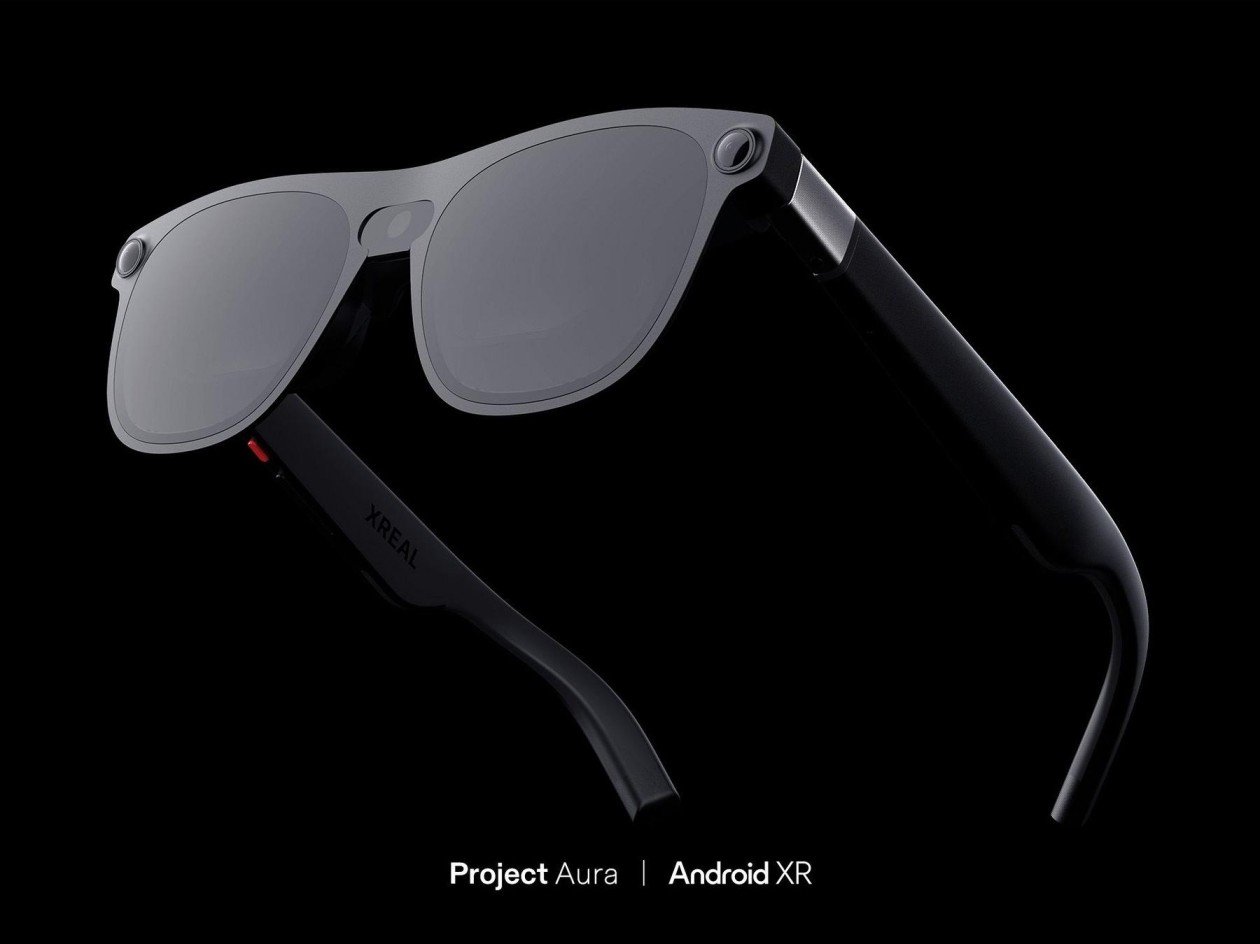
Google is positioning Android XR as a major platform for Smart Glasses in 2026.
By combining Android, Gemini AI, and Spatial Computing, Google is building an ecosystem where smart glasses work seamlessly with phones, tablets, watches, and other connected devices.
Its focus is on AI-powered productivity, navigation, translation, and contextual assistance.
Apple
Apple is expected to influence the future of Smart Glasses in 2026 through its ecosystem. Although Apple continues to expand its spatial computing ecosystem, its long-term vision points toward lightweight AR Smart Glasses that integrate closely with the iPhone, Apple Watch, and other Apple devices.
Apple’s strengths typically include:
- Strong privacy features
- Smooth ecosystem integration
- High-quality displays
- Advanced AI experiences
Samsung
Samsung’s investment highlights the growing demand for Smart Glasses in 2026. Samsung is partnering with Google and Qualcomm to develop next-generation smart eyewear powered by Android XR.
Its experience in displays, mobile hardware, and wearable technology positions Samsung as one of the strongest competitors in the market.
XREAL
XREAL has become a favorite among users looking for immersive displays without carrying large monitors.
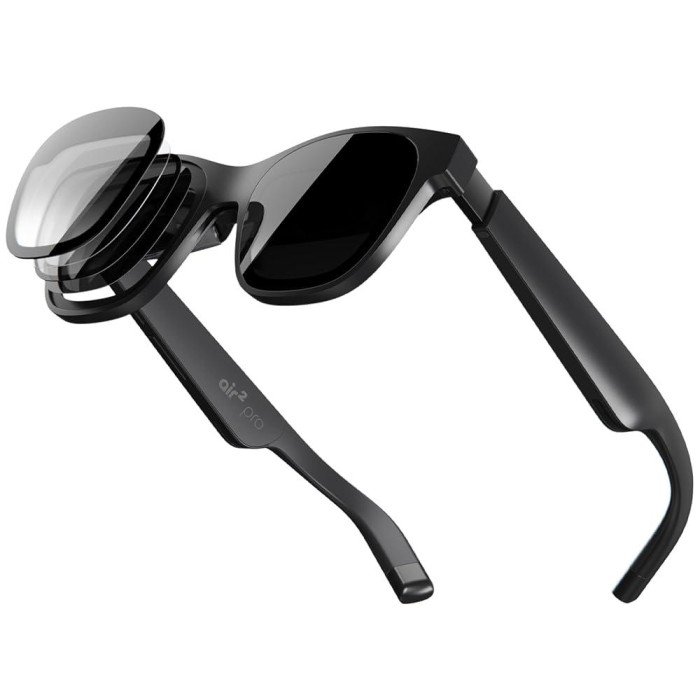
These smart glasses are particularly useful for:
- Watching movies
- Gaming
- Remote work
- Portable productivity
- Multi-screen experiences
Microsoft HoloLens
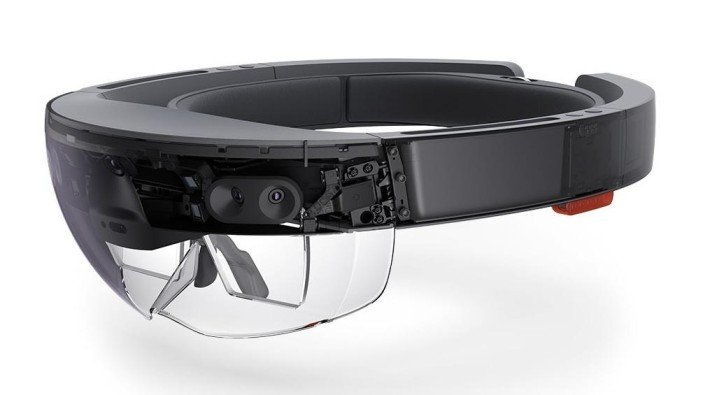
Microsoft HoloLens remains one of the most advanced mixed reality devices available.
Rather than targeting everyday consumers, it focuses on enterprise applications such as:
- Healthcare
- Manufacturing
- Engineering
- Military training
- Industrial maintenance
Vuzix
Vuzix specializes in business-focused smart eyewear.
Many organizations use Vuzix devices for warehouse operations, logistics, remote support, and field services where workers need real-time information while keeping both hands free.
Smart Glasses Features You Should Know
One reason Smart Glasses in 2026 stand out is their growing list of AI-powered features.
Today’s Best Smart Glasses offer far more than notifications.
Common features include:
- AI assistants
- Voice control
- Live translation
- Navigation overlays
- Photo and video recording
- Music playback
- Phone calls
- Real-time information
- Object recognition
- QR code scanning
- Calendar reminders
- Smart displays
- Fitness tracking integration
- Cloud synchronization
Some premium models can even recognize landmarks, summarize documents, and provide contextual information based on what users are looking at.
Smart Glasses for Work
Smart Glasses in 2026 are changing how professionals work across healthcare, logistics, manufacturing, and education.
Businesses are rapidly adopting Smart Glasses for Work because they improve efficiency while reducing distractions. Employees no longer need to switch between tools constantly.
Instead, important information appears directly within their field of vision.
Industries already benefiting include:
- Healthcare
- Construction
- Manufacturing
- Logistics
- Retail
- Field services
- Education
- Remote collaboration
Technicians can receive repair instructions without stopping their work. Doctors can access patient information while treating patients, and warehouse workers can locate products faster using augmented reality guidance.
RECOMMENDED: How To Set Up iCloud On A Windows PC
This hands-free approach saves time and improves productivity.
Smart Glasses for Everyday Use
One reason Smart Glasses in 2026 are becoming mainstream is their ability to simplify everyday life. Smart glasses are no longer limited to professionals.
Many consumers now use them throughout the day for simple, practical tasks.
Popular everyday uses include:
- Listening to music
- Receiving notifications
- Making phone calls
- Capturing photos
- Recording videos
- Walking navigation
- Language translation
- AI conversations
- Reading messages
- Managing daily schedules
Instead of interrupting your day by reaching for your phone every few minutes, your digital assistant becomes part of your natural surroundings. This creates a more seamless relationship between people and technology.
Smart Glasses for Navigation and Travel
Navigation is one of the most practical uses of Augmented Reality Glasses. Travelers increasingly rely on Smart Glasses in 2026 for hands-free navigation.
Instead of looking down at a smartphone while walking or cycling, directions appear directly in your field of view through a heads-up display.
This hands-free experience makes it easier to stay aware of your surroundings while following routes.
Travelers can also benefit from features such as:
- Real-time language translation
- Landmark recognition
- Currency conversion
- Local recommendations
- Flight and itinerary updates
- Live traffic alerts
As AI continues to improve, smart glasses are becoming reliable travel companions rather than simple navigation tools.
Smart Glasses vs Smartphones
Comparing Smart Glasses in 2026 with smartphones is now more relevant than ever. Smartphones remain powerful because they offer larger screens, thousands of apps, and extensive computing capabilities.
However, smart glasses provide advantages that phones cannot match.
Advantages of Smart Glasses
- Hands-free operation
- Instant access to information
- Voice-first interaction
- Better navigation experience
- Improved multitasking
- More natural AI assistance
- Increased productivity while moving
Advantages of Smartphones
- Larger display
- Better gaming experience
- More mature app ecosystem
- Longer battery life
- Easier content creation
- Lower entry cost
For now, smart glasses complement smartphones rather than replace them. Most models still rely on a connected phone for internet access, processing, or app management.
That could change as processors become more powerful and battery technology improves.
Are Smart Glasses Worth Buying in 2026?
For many users, the answer is yes.
If you frequently use voice assistants, travel often, work remotely, or want a more convenient way to stay connected, smart glasses can significantly improve your daily routine.
They are especially valuable for people who want to reduce screen time without sacrificing access to information.
That said, they are not essential for everyone. Some premium models remain expensive, and the software ecosystem is still evolving.
Before buying, consider:
- Your budget
- Battery life
- Comfort
- Display quality
- AI capabilities
- Camera quality
- Ecosystem compatibility
- Privacy features
Choosing the right device depends on how you plan to use it.
Challenges Facing Smart Eyewear
Despite rapid innovation, Smart Glasses in 2026 still face challenges around battery life and affordability. Battery life remains one of the biggest limitations, especially on models with advanced augmented reality features.
Privacy is another concern, because many smart glasses include built-in cameras and microphones, people may feel uncomfortable being recorded without realizing it.
Other challenges include:
- High prices
- Limited app availability
- Display brightness in direct sunlight
- Heat management
- Fashion preferences
- Internet dependency for some AI features
Manufacturers are actively addressing these issues, and each new generation brings meaningful improvements.
The Future of Smart Glasses
The future of Wearable Technology is increasingly centered on smart eyewear.
RECOMMENDED: How to Recover Deleted Files on Windows / Mac
As artificial intelligence, Spatial Computing, and Extended Reality (XR) continue to evolve, smart glasses are expected to become lighter, more affordable, and far more capable.
Future generations may include:
- All-day battery life
- Holographic displays
- Advanced AI companions
- Improved eye tracking
- Gesture-based controls
- Real-time health monitoring
- Standalone cellular connectivity
- Seamless integration with smart homes and connected devices
Rather than replacing every device overnight, smart glasses are likely to become the next major computing platform, working alongside smartphones before eventually taking over many of their everyday functions.
The transition won’t happen in a single year, but the momentum is undeniable.
Conclusion
The rise of Smart Glasses in 2026 marks a turning point in the evolution of consumer technology. What once seemed experimental has become practical, intelligent, and increasingly accessible.
Powered by artificial intelligence, augmented reality, and spatial computing, today’s smart glasses offer hands-free access to information, smarter productivity, immersive navigation, and seamless communication. From everyday users to enterprise professionals, the range of real-world applications continues to expand.
While smartphones remain essential today, smart glasses are steadily redefining how people interact with technology. As hardware improves, software ecosystems mature, and AI becomes even more capable, the line between phones and wearable devices will continue to blur.
If current trends continue, the question may no longer be whether smart glasses can replace smartphones, but when. For anyone interested in the future of connected devices and next-generation wearables, 2026 is shaping up to be the year smart glasses move from an exciting innovation to an everyday necessity.