
The Bisedge €10 million loan from Finnish development financier Finnfund will help the company expand its electric forklift fleet across Nigeria, Kenya, and Tanzania. The financing could help more businesses access electric material-handling equipment without having to purchase and manage the machines themselves. For Bisedge, the €10 million loan provides additional capital to grow its electric logistics operations across these markets.
Announced on October 14, 2026, the deal marks Finnfund’s first electric-vehicle investment in Africa. It will support Bisedge’s expansion of equipment used in factories, warehouses, and distribution centers, where forklifts move goods between storage, production, and dispatch areas.
For Nigerian businesses, the development raises a practical question: can electric forklifts help reduce operating costs while making warehouse operations more efficient?
Bisedge €10 Million Loan: What It Means for Nigeria
The financing will help Bisedge expand its fleet and service operations in Nigeria and East Africa. However, Finnfund and Bisedge have not publicly disclosed how the €10 million will be divided between the three markets.
Founded in 2020, Bisedge provides electric material-handling equipment and related services to industrial customers. Its offerings include forklifts, equipment maintenance, and, under relevant service agreements, trained operators.
The company’s fleet is approximately 95% electric, according to Finnfund. The investment is intended to help Bisedge reach more customers and expand access to electric equipment in markets where industrial businesses still rely on fuel-powered machinery.
The deal also builds on Bisedge’s existing relationship with Trine, an impact investment platform that has supported the company since 2021. Finnfund says Trine has deployed approximately €16.5 million in earlier-stage financing and sector support. The new loan is debt financing, not a grant. Bisedge will therefore need to use the capital to grow its operations and meet the obligations attached to the financing.
How Bisedge’s Electric Logistics Model Works
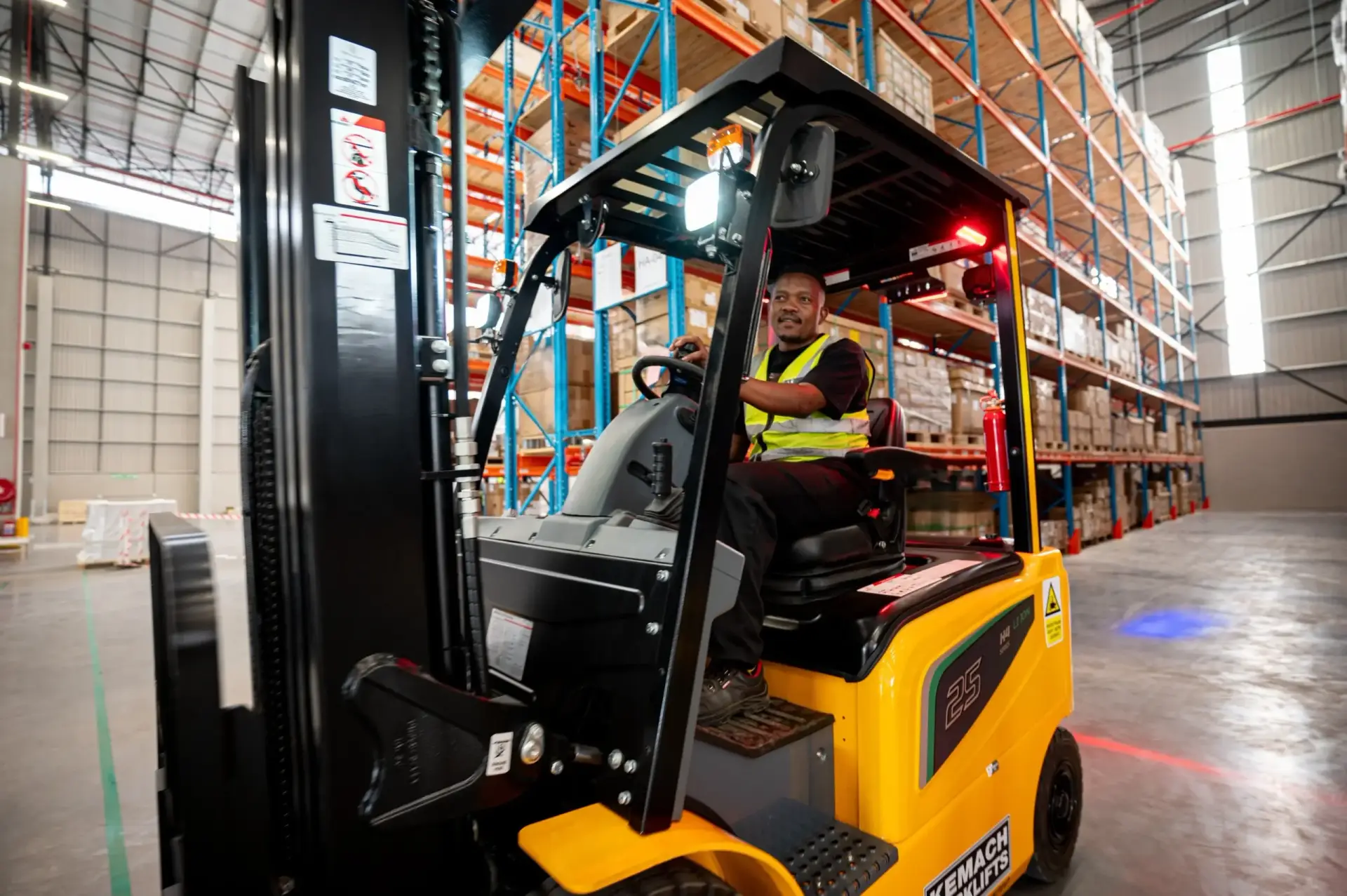
Buying industrial equipment can require a significant upfront investment. Businesses must also account for maintenance, repairs, spare parts, and the cost of replacing machines when they reach the end of their useful lives. Bisedge uses an equipment-as-a-service model, described in its announcement as “Zero CapEx.” Rather than requiring customers to purchase every machine outright, the company provides equipment through service arrangements over an agreed period.
Depending on the contract, customers can also receive maintenance and operator support. Bisedge manages the equipment, while the customer uses it to move goods within its operations. This approach may help businesses avoid a large initial equipment purchase and make costs more predictable.
However, it does not automatically make electric equipment cheaper. The overall value depends on the contract price, equipment utilization, maintenance arrangements, and the cost of keeping machines operational.
For a warehouse operator in Nigeria, these details matter as much as the switch from diesel to electricity. The Bisedge €10 million loan could help the company serve more industrial customers that need electric forklifts but want to avoid the upfront cost of purchasing an entire fleet.
The model gives businesses another option for managing equipment expenses while maintaining their warehouse operations. Equipment and logistics also matter across other parts of the supply chain, including agriculture. Our report on Nigeria’s agritech funding landscape explores investment in businesses that address supply chains, storage, and distribution.
Can Electric Forklifts Reduce Business Costs?
Electric forklifts can offer operational and environmental benefits, particularly in warehouses and factories where equipment operates for long periods. Unlike diesel-powered forklifts, electric models do not produce exhaust emissions at the point of use. They can also reduce dependence on fuel-powered equipment, although electricity costs, charging arrangements, and battery performance still affect operating expenses.
For companies evaluating the Bisedge €10 million loan and its potential impact, the key consideration is whether electric equipment can deliver reliable performance at a competitive overall cost. Fuel savings alone are not enough; maintenance, charging, equipment availability, and service fees also matter.
Downtime is another consideration. If a forklift is unavailable during a busy shift, goods may move more slowly through the warehouse, reducing productivity. Businesses considering electric equipment need to assess equipment reliability, maintenance support, and replacement arrangements alongside the monthly service fee.
Bisedge’s model places much of this responsibility with the service provider. Whether that produces savings for a particular customer will depend on its operating needs and the terms of its agreement.
What the Investment Could Mean for Nigeria
The expansion could support the wider adoption of electric material-handling equipment among manufacturers, warehouse operators, and distribution businesses. It may also increase demand for technical skills related to equipment maintenance, servicing, and electric fleet management.
However, the announcement does not identify specific new customer contracts, job numbers, or local supplier agreements that will result from the loan. Those outcomes will depend on how Bisedge deploys the funding and develops its operations.
The investment also has a workforce development component. Finnfund says Bisedge employs around 1,000 people and has introduced dedicated training and employment opportunities for women forklift operators in Nigeria. The company aims to increase women’s participation in its workforce to at least 20%.
If the expansion creates additional technical and operational roles, training will be important to ensure workers can support the growing fleet. For a wider look at the funding environment, see our report on Nigerian startup funding in September 2026, which examines the balance between debt and equity financing.
The Environmental Impact of Electric Logistics
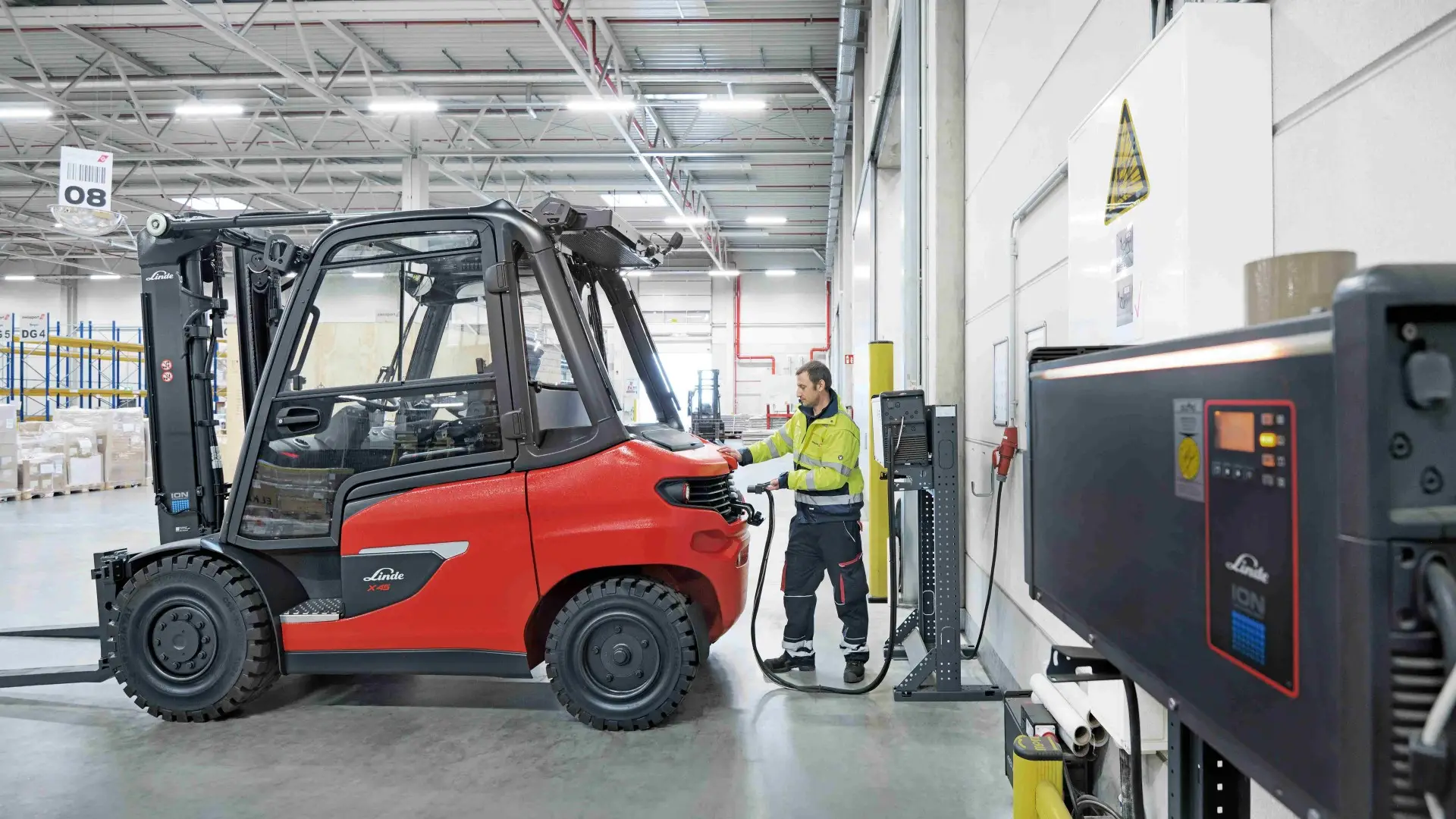
Moving from diesel-powered equipment to electric alternatives can reduce direct emissions and improve air quality where machinery is used. The overall climate benefit, however, depends partly on how the electricity used to charge the equipment is generated.
Finnfund cites an independently verified estimate that replacing a diesel forklift with an electric alternative in Nigeria can reduce emissions by approximately 37 tonnes of carbon dioxide annually per forklift. It also estimates that Bisedge’s existing operations already avoid thousands of tonnes of emissions each year.
These are estimates, not measured emissions reductions attributable to the new €10 million loan. The eventual impact will depend on how many additional machines are deployed, which equipment they replace, and how extensively the new fleet is used.
Conclusion
The Bisedge €10 million loan gives the company additional financing to expand its electric logistics operations in Nigeria, Kenya, and Tanzania. It follows a separate $20 million equity investment from Metier Private Equity announced earlier in 2026. While Metier provided equity financing, Finnfund’s commitment is a long-term loan. Both transactions support Bisedge’s efforts to scale its equipment and service model.
Ultimately, the impact of the Bisedge €10 million loan will depend on how effectively the company expands its fleet and delivers dependable service to customers across its target markets.
For Nigerian businesses, the opportunity is not simply to replace diesel forklifts with electric ones. It is to determine whether a service-based approach can deliver dependable equipment, manageable costs, and more efficient warehouse operations.
Read more on tech; visit NaysBlog.