
Vodacom network investment in KwaZulu-Natal will reach R1 billion during the 2027 financial year, funding new mobile sites, 4G and 5G upgrades, transmission infrastructure, and backup power systems across the South African province. Announced on 14 October 2026, the investment is intended to expand network coverage, increase capacity, and improve reliability in urban centers, townships, and rural communities during the 2027 financial year.
According to Vodacom’s official announcement, approximately R419 million will go towards radio network expansion and modernization. More than R173 million is allocated to transmission infrastructure, while R63.5 million will support energy resilience.
The announcement follows more than R1.1 billion invested in the province during the previous financial year. The latest commitment raises an important question: how much difference will the spending make to people and businesses that depend on reliable mobile connectivity?
The Vodacom network investment also highlights the need to improve mobile connectivity in rural communities, where reliable access remains essential for businesses and digital services.
Where Will the Vodacom Network Investment Go?
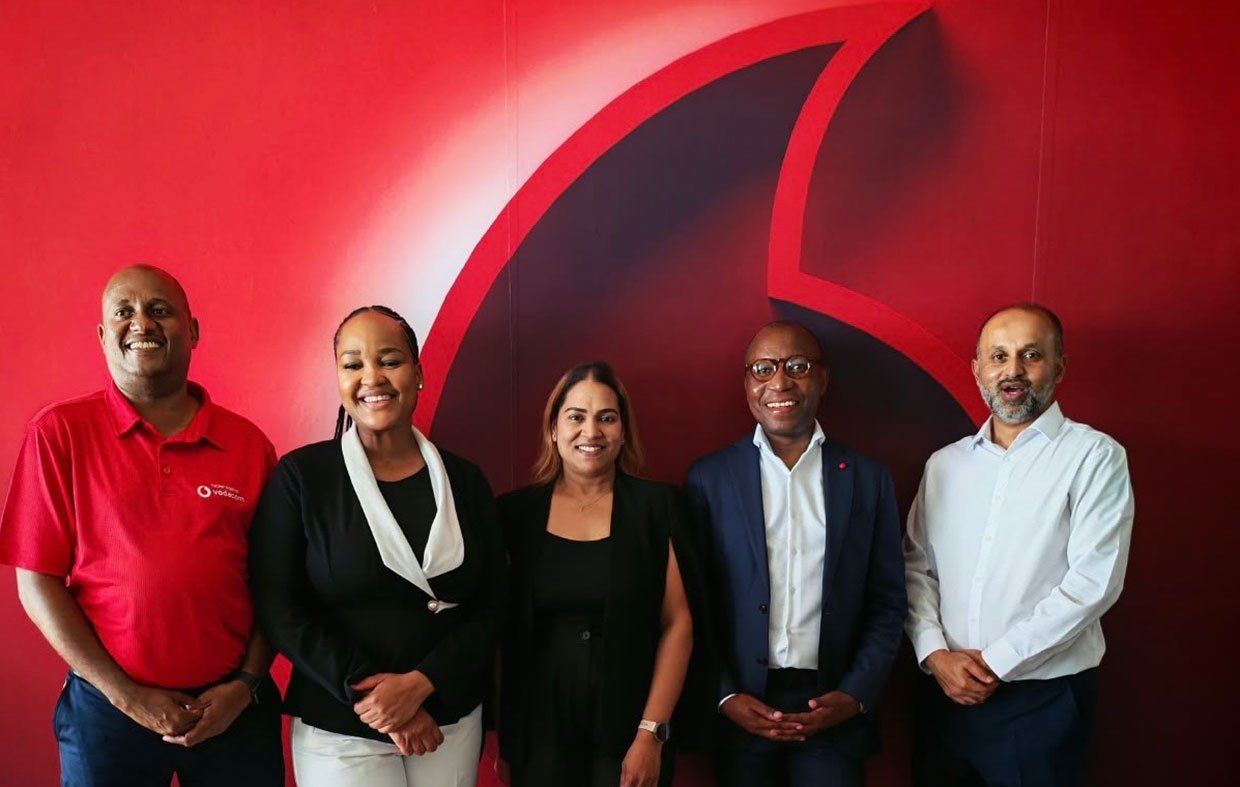
The Vodacom network investment covers several parts of the telecommunications infrastructure, including the equipment that connects mobile phones to the network, the links that carry data between sites, and the power systems needed to keep services running.
Network upgrades are also central to the development of 5G in other African markets. Our report on Nigeria’s 5G market explains why spectrum, network capacity, and device affordability all matter to adoption.
R419 million for radio network expansion
Vodacom has allocated approximately R419 million to radio network expansion and modernization. The planned work includes new network sites, LTE and 5G upgrades, coverage expansion, and capacity improvements. These measures can help extend service to underserved locations and improve the ability of existing sites to handle demand.
Coverage and capacity are not the same thing. Coverage determines where a usable mobile signal is available, while capacity affects how well the network serves people using it at the same time.
A location may have a signal but still experience slow connections when many users compete for limited network resources. Upgrades can help address these problems, depending on the equipment installed and the conditions at each site. Vodacom has not published a complete list of the individual sites that will be built or upgraded under this investment.
More than R173 million for transmission infrastructure
More than R173 million will fund transmission infrastructure, including fibre and microwave network upgrades. These connections carry data between mobile sites and the wider network. If transmission links cannot handle demand efficiently, they can limit performance even when the mobile signal itself is strong.
Improving transmission capacity can therefore support more reliable services and help the network accommodate growing demand for mobile internet.
However, the announced budget does not establish how much faster connections will become or how many customers will experience measurable improvements.
R63.5 million for backup power
Vodacom has set aside R63.5 million for an energy resilience programme involving generators, batteries, and backup power systems. The company says the programme is intended to help maintain network availability during power disruptions associated with localised load reduction, cable theft, municipal infrastructure failures, and maintenance.
Power resilience matters because mobile sites require electricity to operate. When a site loses power and its backup systems are inadequate, customers may experience service interruptions even if the surrounding network infrastructure remains intact.
Additional backup systems can reduce this risk, but their effectiveness depends on factors such as battery capacity, maintenance, and outage duration.
Which Areas in KwaZulu-Natal Will Benefit?
The Vodacom network investment will target municipalities across KwaZulu-Natal, including:
- eThekwini
- uMzimkhulu
- Msunduzi
- uMvoti
- uMhlathuze
- Nkandla
- eMsinga
- iMpendle
- Richmond
- eDumbe
The company says the program will cover urban centers, townships, and deep rural areas. However, the announcement does not specify how much money each municipality will receive, how many new sites will be constructed, or when particular communities will receive upgrades.
The inclusion of a municipality in the announcement should therefore not be interpreted as a guarantee that every community within it will receive new coverage or 5G access. The impact will depend on the locations selected, the existing network conditions, and the work eventually completed. More detailed rollout information will be needed to determine which communities stand to benefit most.
Why Rural Connectivity Still Matters in South Africa
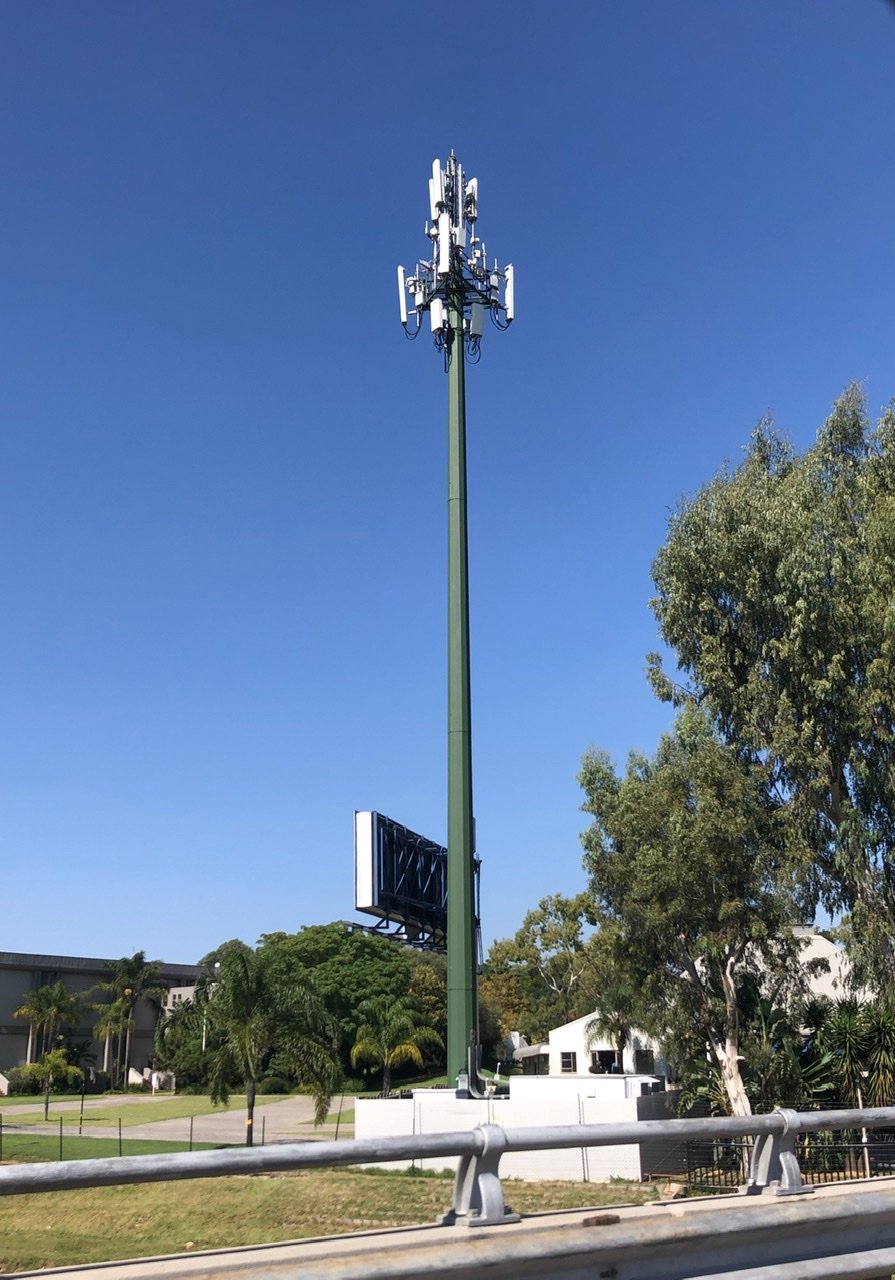
South Africa has achieved extensive mobile coverage nationally, but the overall figures do not mean that every community has the same level of access or service quality. The South African government’s Electronic Communications Act international mobile telecommunications roadmap reports that national 4G/LTE population coverage reached 99.1% in 2024, while 5G coverage reached 46.6%.
These figures refer to South Africa as a whole, not Vodacom’s network specifically in KwaZulu-Natal. The roadmap also identifies insufficient rural coverage as an ongoing concern.
This distinction is important. Population coverage does not measure every aspect of the customer experience, including congestion, the reliability of a connection, or the quality of service in a particular village.
Vodacom’s planned spending on new sites, network upgrades, and transmission infrastructure could help address some of these challenges. Whether it does so will depend on where the company deploys the funding and the results achieved after implementation.
Vodacom’s investment is part of a wider connectivity challenge across the continent. Read more about Africa’s wider connectivity challenges and the technologies being used to address them.
What Could the Investment Mean for Customers and Businesses?
The Vodacom network investment could improve connectivity for mobile customers in areas where new sites and network upgrades address existing coverage or capacity problems. For small businesses, more dependable mobile internet can support digital payments, online sales, and customer communication.
Rural residents may also benefit from better access to online education and digital services, depending on the improvements delivered in their communities, but infrastructure is only one part of the connectivity challenge. Customers also need affordable data, suitable devices, and services that work reliably where they live.
Vodacom says it is addressing affordability through initiatives including its RED contract portfolio, Just4You and Just4YourTown personalized offers, and Easy2Own smartphone financing. These initiatives address different barriers, including network expansion. A person may live in an area with mobile coverage but still struggle to use internet services because a smartphone or data package is beyond their budget.
The company says Easy2Own helps customers access smartphones and move from older 2G and 3G devices to 4G- and 5G-compatible handsets.
However, the investment announcement does not quantify how many additional customers will gain affordable access as a result of the new network spending. As more digital activities depend on mobile connectivity, rising mobile data demand also shows why operators need sufficient network capacity to handle growing internet use.
How Does the Investment Compare With Vodacom’s Previous Spending?
Vodacom’s latest commitment follows an investment of R1.142 billion in KwaZulu-Natal’s network infrastructure during the 2026 financial year.
In its 25 November 2025 announcement, the company broke down the earlier spending as follows:
- R796 million for radio network projects
- R289 million for transmission
- R36 million for energy
- R20 million for core data networks
Compared with the previous financial year, the new Vodacom network investment represents another substantial commitment to telecommunications infrastructure in KwaZulu-Natal, although its eventual impact will depend on the projects completed.
Vodacom also said that R100 million was dedicated to deep rural connectivity during that period. The latest R1 billion commitment continues the company’s infrastructure spending in the province. But comparing annual budgets alone cannot show whether coverage has expanded, network interruptions have declined, or customers have experienced better service.
Those questions require evidence from completed projects, updated coverage information, and network performance measurements.
Conclusion
The next stage is the implementation of the planned investment. More detailed information about site locations, construction timelines, and completed upgrades would help residents understand when their communities might benefit.
The most useful indicators to watch are the number of new or upgraded sites, the locations receiving improvements, and whether customers experience measurable changes in coverage and reliability. For now, Vodacom has confirmed the amount it plans to invest and the main areas of expenditure. The announcement does not yet establish the final results.
For KwaZulu-Natal’s residents and businesses, the real test will be whether the investment delivers more dependable connectivity in the places that need it most.
Read more on technology and digital trends on NaysBlog.