
Nigeria data consumption jumped by nearly 47% in one year, reaching about 1.66 million terabytes in July 2026, according to the Nigerian Communications Commission (NCC). This is up from about 1.13 million terabytes recorded in July 2025.
The increase is another sign of how deeply internet connectivity has become part of everyday life in Nigeria. People use their phones and other connected devices for more than calls and messaging, while businesses, schools, and digital services increasingly depend on reliable internet access.
But there is another side to the growth: Nigeria now needs more infrastructure to carry all that data.
Why Is Nigeria Data Consumption Rising?
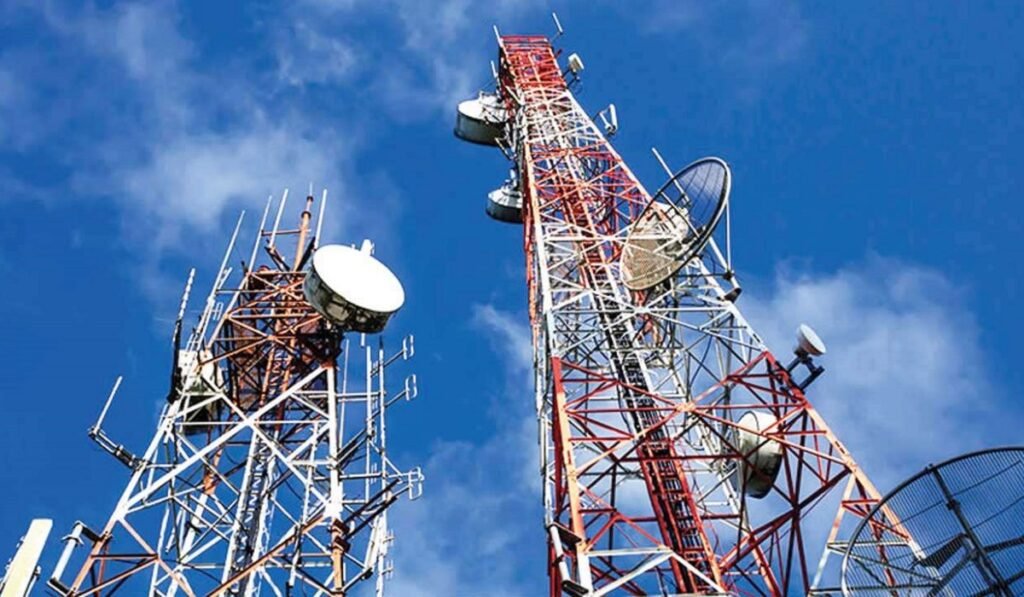
The latest Nigeria data consumption figures reflect both a growing number of internet users and increasing activity from people who are already online.
More Nigerians are connected to the internet, but the bigger change is also in what people do online. A smartphone can now be used for banking, payments, social media, video streaming, online shopping, remote work, education, and business.
All of these activities consume data. For businesses, internet usage can be even more intensive. Companies increasingly depend on cloud software, digital payments, online customer service, and other internet-based tools to operate.
The NCC said demand for reliable connectivity is growing as individuals, businesses, educational institutions, and public services increasingly depend on broadband-enabled technologies.
So the 47% increase does not mean that every Nigerian suddenly started using 47% more data. It represents the growth in overall data consumption across the country’s networks.
More People Are Online, but Usage Is Changing Too
Nigeria’s growing internet user base is part of the story. NCC industry figures show that active internet subscriptions have continued to grow, giving more people access to mobile internet. Nigeria’s mobile subscriber base is also recovering, with active mobile subscriptions reaching 195.11 million in July 2026.
The amount of data consumed by existing users matters too. Someone who once used their phone mainly for WhatsApp messages may now spend hours watching videos, using financial apps, working online, or browsing social platforms.
That means one internet connection can generate considerably more traffic than it did several years ago. The growth of smartphones and faster mobile networks has also made data-heavy services easier to use.
4G, 5G and Smartphones Are Changing How Nigerians Use the Internet
Faster networks have changed what is practical to do from a smartphone. Video calls, streaming, large downloads, and cloud applications all require more data than simple text-based browsing.
Nigeria’s 4G networks already account for a significant share of mobile connections, while 5G is gradually expanding. That does not mean 4G or 5G alone caused the 47% increase.
Instead, they are part of a wider shift in which Nigerians are doing more through mobile internet. The smartphone has effectively become a pocket office, bank, classroom, entertainment center, and marketplace for many users.
Businesses Are Adding to the Data Demand
Nigeria’s growing digital economy is another important part of the picture. This is one reason Nigeria data consumption is becoming increasingly connected to the country’s wider digital economy.
Fintech companies, banks, online retailers, logistics businesses, and other digital platforms all depend on telecommunications networks. Every digital payment, customer interaction, online transaction, and cloud-based service adds to the amount of information moving through those networks.
That is why rising data consumption matters beyond telecom companies. If more economic activity moves online, the infrastructure carrying that activity becomes increasingly important.
Cloud and AI Could Push Demand Even Further
The NCC also expects demand for reliable connectivity to increase as the use of cloud-based services, digital platforms, and artificial intelligence applications grows.
That does not mean AI caused the 47% increase. Rather, the regulator is pointing to these technologies as areas that could create additional demand in the future.
Cloud services require dependable internet connections because businesses access computing resources, software, and storage through connected systems. Nigeria is also trying to expand its domestic cloud infrastructure, including a government target of $750 million in private investment over two years.
AI applications can also require significant digital infrastructure as businesses and institutions begin incorporating them into their operations. If adoption continues, Nigeria’s networks will have to support not only more users but also increasingly demanding digital services.
Can Nigeria’s Infrastructure Keep Up?
This is where the 47% increase becomes more significant. The NCC is calling for increased investment in telecommunications infrastructure to expand network capacity, modernize existing infrastructure, and improve service quality.
The regulator says the challenge is not simply getting more Nigerians connected. It is also about making sure people who are already connected receive a better experience.
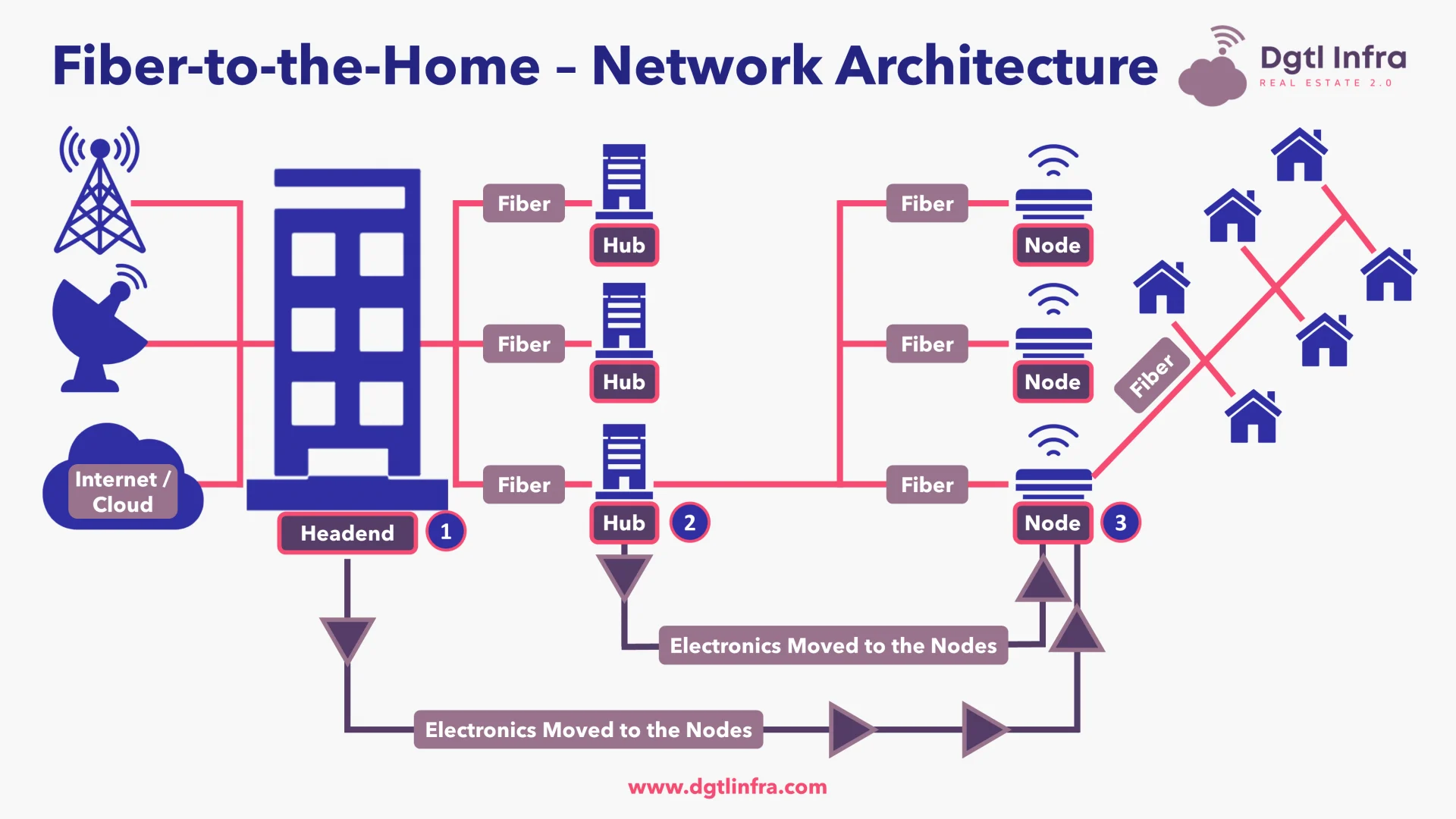
That requires investment in the infrastructure behind the internet, including mobile networks, fibre infrastructure, transmission systems, and other facilities that move data between users and digital services. Nigeria also has to deal with practical challenges around infrastructure deployment, including the cost and difficulty of expanding networks.
What the Increase Means for Internet Users
For Nigerians, higher national data consumption does not automatically mean that internet service will become better or worse. What happens next will depend partly on whether infrastructure investment keeps pace with demand.
If networks expand and capacity improves, higher data consumption can be supported without necessarily creating additional pressure on users, but if demand grows faster than infrastructure, network congestion and service-quality problems can become harder to manage.
There is also a potential economic opportunity. Growing demand gives investors another reason to look at Nigeria’s telecommunications and digital infrastructure market.
The NCC’s latest investment forum was specifically focused on attracting capital and partnerships to expand digital connectivity across the country.
What Nigeria Data Consumption Means for Infrastructure
The headline number is impressive: 1.66 million terabytes of data consumed in July 2026, up nearly 47% from a year earlier, but the more important story is what is behind that number. The continued rise in Nigeria data consumption will therefore put more pressure on the infrastructure supporting Nigeria’s digital economy.
Nigerians are increasingly using internet connections for work, payments, entertainment, education, business, and other everyday activities.
At the same time, cloud services, digital platforms, and emerging AI applications could add even more demand. That means Nigeria’s next connectivity challenge is not simply getting more people online.
It is building enough reliable infrastructure to support what people and businesses are already doing online and what they will need to do next.
Read more on technology and digital trends on NaysBlog.