
Moove exits Nigeria after six years, transferring vehicles worth approximately ₦35 billion to eligible customers who currently operate them. The Lagos-founded mobility company says eligible customers will take full ownership of their vehicles without further payments to Moove for the vehicles themselves from October 1, 2026.
Announced on October 8, the decision marks the end of Moove’s operations in the country where it began in 2020, according to Premium Times’ report. It also comes just over a month after Uber stopped operating in Nigeria, raising fresh questions about the economics of the country’s ride-hailing market.
The vehicle transfer is part of Moove’s “Thank You Nigeria” initiative. The company says it will also give cars to its Nigerian employees in recognition of their contributions to the business.
Moove Exits Nigeria: What Customers Need to Know
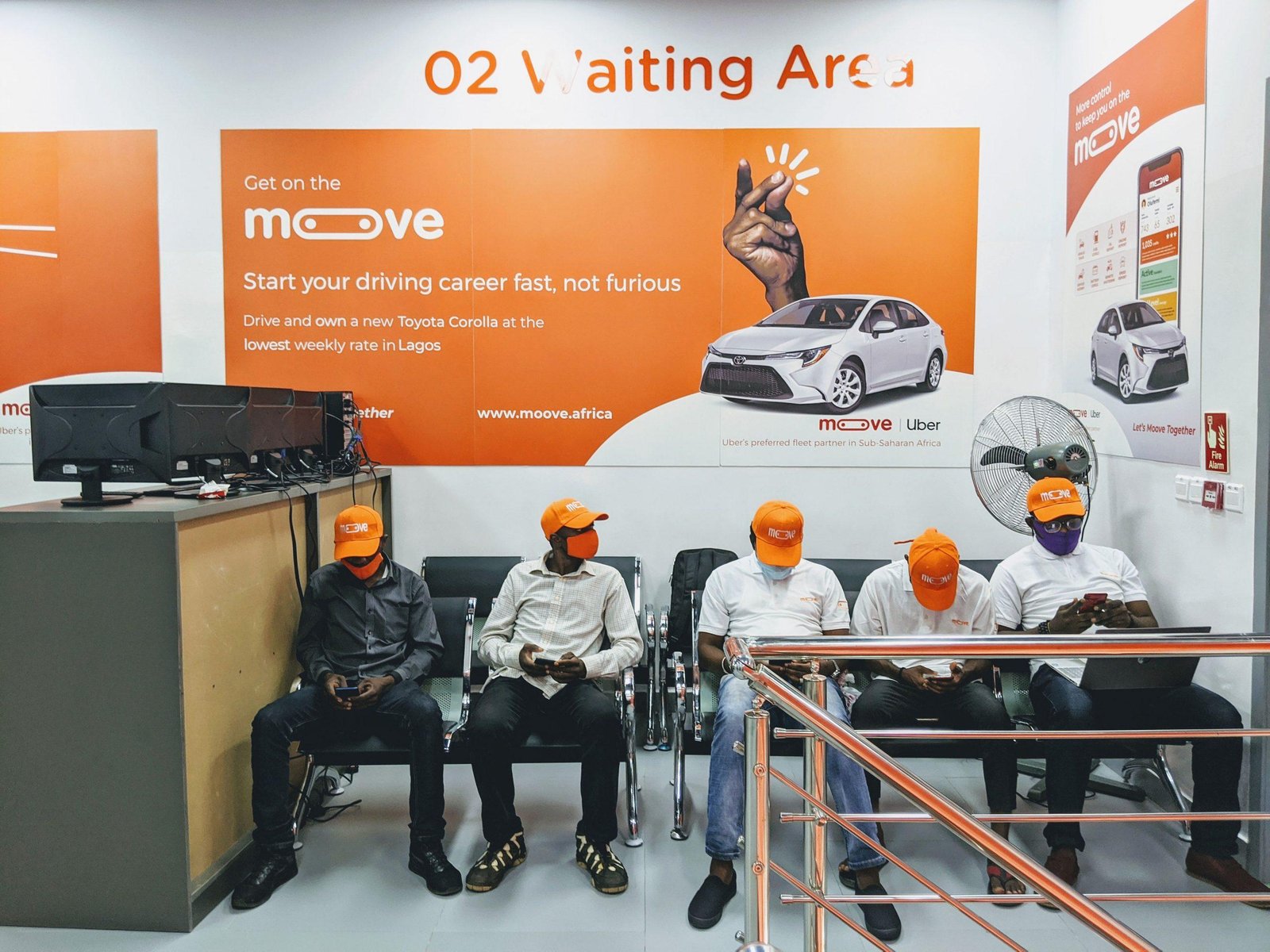
The most immediate impact is on drivers using vehicles through Moove’s rental and Drive-to-Own products. Under the announced arrangement, eligible customers will receive full ownership of the vehicles they currently operate. Moove says no further payment to the company for the vehicles themselves will be required from October 1, 2026.
However, the arrangement should not be interpreted as a blanket offer to everyone who has used Moove. The company refers specifically to eligible customers operating qualifying vehicles.
Customers should confirm their eligibility, outstanding account balances, and ownership-transfer requirements directly with Moove. The announcement does not establish that every previous financial obligation has been cancelled, nor does it provide a complete breakdown of the transfer process for individual customers.
For drivers who qualify, the change could remove the need to continue making vehicle payments to Moove, allowing them to retain the vehicles they use to earn a living.
How Moove Built Its Business in Nigeria
Founded in Lagos in 2020 by Ladi Delano and Jide Odunsi, Moove was created to help mobility entrepreneurs access vehicles without having to pay the full purchase price upfront.
The company began with 76 vehicles in Lagos and developed a business around vehicle financing, rentals, and its Drive-to-Own model. Drivers could use the vehicles to generate income while working towards ownership under the relevant financing arrangements.

This model addressed a practical challenge for people seeking to work in ride-hailing: having the ability to drive does not necessarily mean having the money or financing needed to acquire a suitable vehicle.
According to Moove, more than 9,000 customers have used its rental and Drive-to-Own products in Nigeria. The company says vehicles it financed helped those customers generate approximately ₦57 billion in revenue. That figure represents revenue customers generated through the vehicles, not Moove’s revenue or profit.
Moove also reports that it has grown into an international business, operating about 42,000 vehicles across 29 cities worldwide. As Moove exits Nigeria, the company says it will work directly with affected customers and employees to complete the ownership transfers.
Why Moove’s Exit Matters After Uber’s Departure

Moove’s decision comes shortly after Uber’s exit from Nigeria on September 2, 2026, after 12 years in the market. The two developments are connected through the wider mobility ecosystem. Uber provided a platform connecting drivers with passengers, while Moove helped drivers access the vehicles needed to participate in the industry.
Techpoint Africa’s report on Moove’s exit highlights the questions this raises about the sustainability of ride-hailing and vehicle financing in Nigeria.
When a major platform leaves a market, drivers may need to find alternative sources of bookings. Businesses financing their vehicles may also have to reconsider how they support customers and manage their operations. But the timing of the two departures does not, by itself, prove that Uber’s exit caused Moove to leave Nigeria. Moove’s announcement has not established a definitive reason for the decision.
What the developments do highlight is a challenge for mobility businesses: transportation demand alone does not guarantee a sustainable business model. Companies must balance what passengers can afford with driver earnings, vehicle costs, and the expenses involved in operating a fleet.
Conclusion
Moove says it will work directly with affected customers and employees to complete the ownership transfers. For eligible drivers, the most important next steps are to confirm that their vehicles qualify, obtain a clear account reconciliation, and follow the company’s instructions for completing the transfer.
Full ownership could change the economics of operating a vehicle, but it does not eliminate the costs of running one. Fuel, maintenance, insurance, and repairs will remain important considerations for drivers who continue using their cars commercially.
There are also questions the public announcement does not fully answer, including the precise eligibility criteria and the process for resolving individual account or documentation issues. Customers should rely on direct guidance from Moove rather than assume that every contract will be handled identically.
As Moove exits Nigeria, the company says it will work directly with affected customers and employees to complete the ownership transfers. Its vehicle-transfer arrangement could give eligible customers greater control over the assets they use to earn a living, even as its departure raises broader questions about the future of mobility financing in Nigeria.
Read more on technology and digital trends on NaysBlog.