
The Paramount Warner Bros deal is now complete, with Paramount Skydance acquiring Warner Bros. Discovery and bringing Paramount Pictures, Warner Bros., HBO, CBS, CNN, HBO Max, and Paramount+ under one company.
The transaction closed on October 6, 2026, creating one of the world’s biggest entertainment businesses and giving Skydance control of a huge library of films, television shows, sports, and streaming content.
The Paramount Warner Bros deal is widely described as a $110 billion transaction, though that figure represents Warner Bros. Discovery’s enterprise value. Its equity value was about $81 billion.
For viewers, however, the bigger question is what happens next, particularly for HBO Max and Paramount+, and eventually for audiences using these services worldwide.
What Happened in the Paramount Warner Bros Deal?

Paramount Skydance has officially completed its acquisition of Warner Bros. Discovery after receiving the necessary regulatory approvals and meeting the conditions required to close the transaction.
Under the agreement, Paramount acquired Warner Bros. Discovery for $31 per share in cash, subject to the closing adjustment agreed by both companies.
The transaction valued Warner Bros. Discovery at approximately $81 billion in equity value and $110 billion in enterprise value.
That distinction is important. The $110 billion figure is not simply the amount Paramount paid Warner Bros. Discovery shareholders. Enterprise value also takes the company’s debt and other financial components into account.
The combined company will operate under the Skydance name. Its portfolio now includes major entertainment brands such as Warner Bros., Paramount Pictures, HBO, CBS, CNN, HBO Max, Paramount+, and Discovery’s television networks.
It also brings major franchises, including Harry Potter, DC, Mission: Impossible, Star Trek, and SpongeBob, into the same corporate group.
How big is the new Skydance?
The merger significantly increases Skydance’s scale. David Ellison, Skydance’s founder, will serve as CEO, while former Mattel CEO Ynon Kreiz will serve as co-CEO and oversee day-to-day operations and integration.
The company now has two major film studios, two established streaming platforms, television networks, news operations, sports assets, and extensive content libraries.
That scale matters because entertainment companies are no longer competing only with traditional Hollywood studios.
Netflix, Disney, Amazon, and YouTube have changed how audiences discover and consume entertainment. Technology, streaming platforms, and digital advertising have also become increasingly important to the media business.
Skydance says the combined company expects to produce at least 30 theatrical films and more than 180 television shows and series each year.
That gives the new company a substantial amount of content to distribute across its platforms and through third-party partners.
What happens to HBO Max and Paramount+?
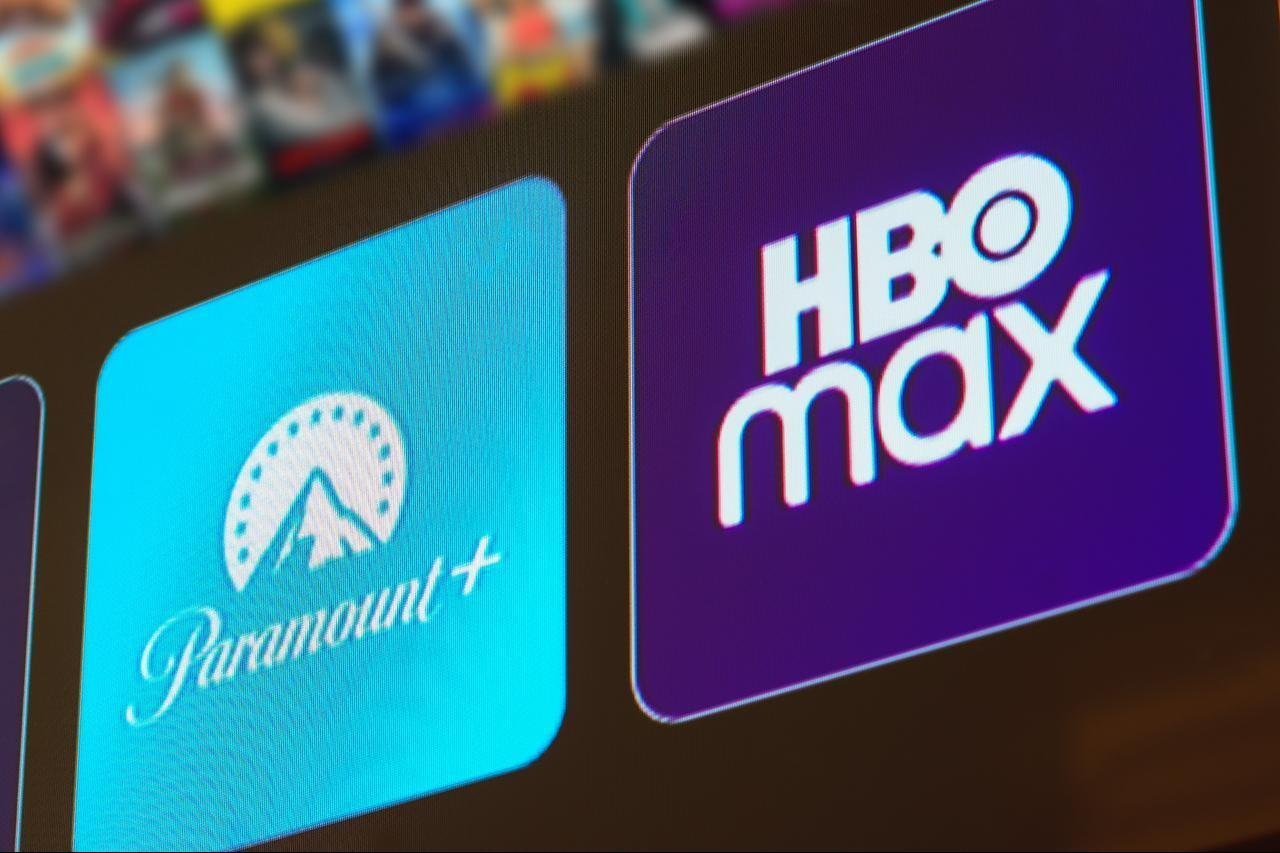
For subscribers, this is likely to be the most important part of the Paramount Warner Bros deal. HBO Max and Paramount+ are now owned by the same company, and Skydance plans to eventually bring the two streaming businesses together, but there is no immediate change for subscribers simply because the acquisition has closed.
The official HBO Max merger information says there are currently no changes to the apps, subscriptions, pricing, or content as a result of the transaction.
So viewers should not assume that HBO Max and Paramount+ have already become one service.
The eventual combination could give customers access to a much larger entertainment library through a single platform. But Skydance still has to determine how the services will be integrated, how subscriptions will work, and what the eventual pricing structure will look like.
For now, the situation is straightforward: the merger is complete, but the streaming integration is still ahead.
Why did Paramount want Warner Bros. Discovery?
The deal is largely about scale. Streaming has made the entertainment business more competitive and expensive. Companies need large content libraries, strong brands, and enough subscribers to justify spending on production, technology, and distribution.
By acquiring Warner Bros. Discovery, Paramount Skydance gets access to a much larger collection of content and some of the industry’s most recognizable entertainment brands.
It also gains another major streaming platform that can eventually be combined with Paramount+. That could give the company a stronger position against Netflix, Disney, Amazon, and other platforms competing for viewers’ time and subscription money.
But becoming bigger does not automatically make the business healthier.
The new company is taking on a substantial financial burden, with roughly $80 billion in debt associated with the combined business.
Skydance is targeting at least $6 billion in run-rate synergies within three years, meaning it expects the combination to produce significant savings and efficiencies.
The challenge now is turning those projected savings and greater scale into a sustainable business.
Why the merger matters beyond Hollywood
The Paramount Warner Bros deal is not only about movies. It reflects a broader shift in how entertainment companies are responding to changing consumer behavior.
Audiences increasingly watch films and television through internet-connected devices instead of relying exclusively on traditional television channels.
That has made streaming technology, recommendation systems, digital distribution, and advertising just as important to media companies as owning successful films and television programs.
The new Skydance therefore has to compete on several fronts at once. It needs compelling content, but it also needs efficient streaming platforms, strong distribution, and a business model that can keep customers paying for its services.
That is one reason the future of HBO Max and Paramount+ will be so important.
What does the deal mean for African viewers?
There is no indication that the merger has immediately changed streaming prices or access for Nigerian viewers. That distinction matters.
The fact that HBO Max and Paramount+ now belong to the same company does not automatically mean that Nigerian subscribers will receive a new combined service or that every Warner Bros. and Paramount title will suddenly become available locally.
Content availability in African markets can depend on licensing agreements, distribution partnerships, and the specific services offered in each country.
However, Africa is still relevant to the Paramount Warner Bros deal. Warner Bros. Discovery already has distribution relationships across African markets, while Paramount has established media operations in countries including Nigeria and South Africa.
As Skydance works out its global strategy, decisions about content licensing, streaming distribution, and subscription packages could eventually affect audiences across the continent.
The opportunity is also becoming more significant as Africa’s digital audience grows. Nigeria’s data consumption reached about 1.66 million terabytes in July 2026, according to data previously reported by NaysBlog.
That growth matters to streaming businesses because Nigeria’s growing mobile audience is using mobile internet for video, entertainment, and other digital services.
But a larger online audience does not automatically mean every consumer will subscribe to another streaming service.
Data costs, subscription prices, internet quality, and the availability of locally relevant content will continue to influence how streaming develops across African markets.
That is why the eventual decisions made by Skydance could be more important than the acquisition itself for African viewers.
Conclusion
The closing of the deal is only the beginning. Skydance now has to integrate two large entertainment businesses while managing its debt and trying to achieve its cost-saving targets.
The company will also have to work out its long-term streaming strategy.
For viewers, the developments worth watching will be:
- How HBO Max and Paramount+ are eventually combined
- Whether subscription prices change
- Which content moves between the platforms
- How Skydance handles existing distribution agreements
- Whether the company invests more heavily in international and African markets
- How the new company competes with Netflix, Disney, Amazon and other streaming platforms
The answers will not arrive all at once.
For now, Paramount and Warner Bros. Discovery are no longer separate entertainment giants. They are part of one much larger company with a huge content library, major streaming ambitions, and billions of dollars in financial obligations.
The real test for Skydance begins now: whether putting all that scale under one roof can create a stronger business without making entertainment more expensive or less accessible for viewers.
Read more on technology and digital trends on NaysBlog.