
Finding practical ways to save money every month can feel challenging, especially when the cost of everyday essentials continues to increase. Many people want to save more but struggle to know which money-saving strategies actually work.
The most effective ways to save money every month usually come from improving everyday decisions rather than making extreme sacrifices.
Small expenses can quietly become big problems over time. A few unnecessary subscriptions, frequent takeout meals, impulse purchases, or poor spending habits can reduce the amount of money you keep each month.
I have learned that improving your finances is less about making one big change and more about creating simple habits you can maintain consistently.
Saving your first small amount may not seem impressive, but those small wins build confidence and create a better relationship with money.
Whether you are trying to build an emergency fund, manage your expenses better, prepare for a major goal, or simply stop wondering where your money goes, the right strategies can make a huge difference.
The good news is that there are simple ways to save money every month without completely changing your lifestyle. By improving your spending habits, reducing unnecessary expenses, and creating a realistic plan, you can make steady progress toward your financial goals.
In this guide, you will discover 15 simple ways to save money every month, reduce unnecessary expenses, improve your financial habits, and take better control of your money in 2026.
1. Create a Monthly Budget
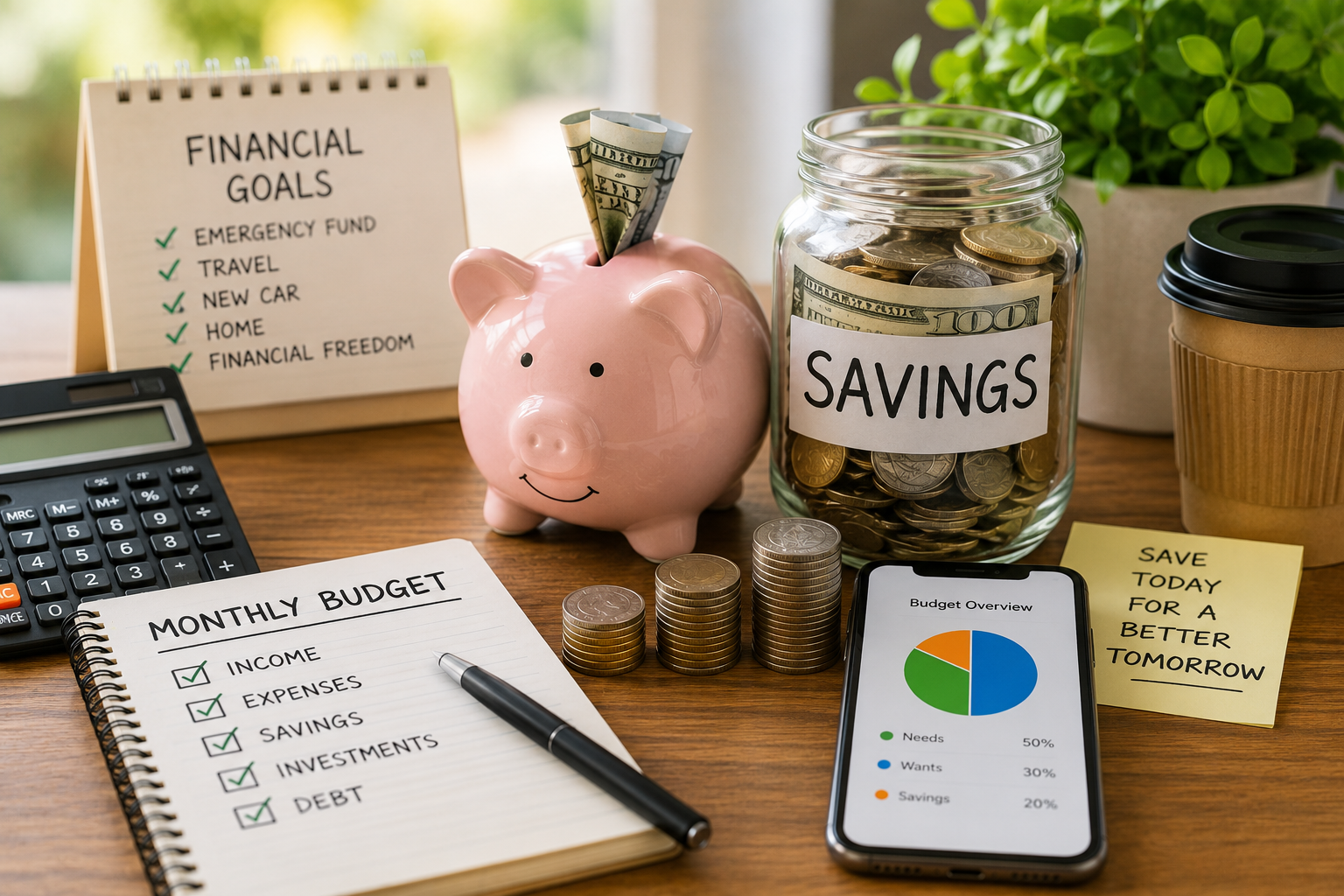
One of the most effective ways to save money every month is creating a monthly budget. A budget gives your money a clear direction. Without one, it is easy to spend first and only think about saving after everything else has been paid.
Many people avoid budgeting because they think it means restricting themselves from enjoying life. If you’re new to budgeting, learning more about creating a budget can help you build a financial plan that works for your income.
However, a good budget is not a punishment. It is simply a plan that helps you decide what matters most.
Track Your Income and Expenses
The first step to creating a budget is understanding your current financial situation.
Write down:
- Your monthly income
- Fixed expenses
- Daily spending
- Debts
- Savings goals
Tracking these numbers helps you see where your money is going instead of guessing.
You may discover that some expenses you consider “small” are actually taking a significant part of your income.
Give Every Amount a Purpose
A simple budgeting habit is assigning a purpose to your money before spending it.
For example:
- A portion goes toward bills
- A portion goes toward savings
- A portion goes toward personal needs
- A portion goes toward enjoyment
When every amount has a purpose, you become more intentional with your spending.
2. Track Where Your Money Goes
If you want to discover more ways to save money every month, start by understanding your spending habits and identifying where your income is going.
Many people struggle financially not because they spend on expensive things, but because small purchases happen repeatedly without attention.
A few small expenses every day can create a large monthly total.
Identify Your Spending Patterns
Tracking your expenses for a few weeks can reveal surprising information.
You may notice patterns like:
- Buying food outside more often than planned
- Shopping online when bored
- Paying for services you barely use
- Spending more during emotional moments
Awareness is the first step toward improvement.
Find Hidden Money Leaks
Money leaks are expenses that quietly reduce your savings.
Examples include:
- Unused memberships
- Extra bank charges
- Frequent delivery fees
- Unplanned shopping
Finding and fixing these leaks can immediately improve your monthly finances.
READ MORE: 10 Signs You’re Burnt Out and How to Recover Quickly
3. Cut Unnecessary Subscriptions
Subscriptions are convenient, but they can become a problem when you have too many. Reviewing your subscriptions regularly is one of the simple ways to save money every month because it helps you remove expenses that no longer add value.
A small monthly payment may not feel serious, but several subscriptions combined can take away money that could go into savings.
Review Recurring Payments
Take time each month to review your bank statements.
Look for:
- Streaming platforms you rarely watch
- Apps you no longer use
- Memberships you forgot about
- Duplicate services
Ask yourself whether each payment is still providing enough value.
Cancel Services You No Longer Use
Removing unnecessary subscriptions is one of the easiest ways to reduce expenses without affecting your daily life.
The money you save can be redirected toward:
- Emergency savings
- Debt repayment
- Important financial goals
Small cuts can create meaningful results over time.
4. Cook More Meals at Home
Food is one of the easiest areas where many people overspend. Eating out occasionally is normal, but depending on restaurants, fast food, or delivery services regularly can make saving money difficult.
Cooking at home is one of the practical ways to save money every month because it gives you more control over your food expenses.
Reduce Food Expenses
Preparing your own meals usually costs less than buying prepared food.
It also helps you control:
- Ingredients
- Portion sizes
- Food quality
- Weekly spending
The goal is not to remove every enjoyable meal. It is to create a healthier balance.
Plan Meals Before Shopping
Meal planning is one of the simplest ways to reduce expenses.
Before shopping:
- Decide what you will cook
- Check what you already have
- Create a shopping list
- Avoid buying unnecessary items
Planning prevents waste and helps you spend with intention.
5. Use a Shopping List
Walking into a store without a plan can easily lead to unnecessary purchases. Retailers often design their spaces to encourage customers to buy more than they intended.
A shopping list helps you stay focused.
Avoid Impulse Purchases
Impulse buying happens when emotions influence spending decisions. You see something interesting, convince yourself it is useful, and purchase it without considering whether it fits your budget.
A simple list creates a barrier between wanting something and buying it.
Stick to Planned Spending
Before purchasing an item, ask: “Was this part of my plan, or is this just something I want right now?”
This question can prevent many unnecessary expenses.
6. Set Up Automatic Savings
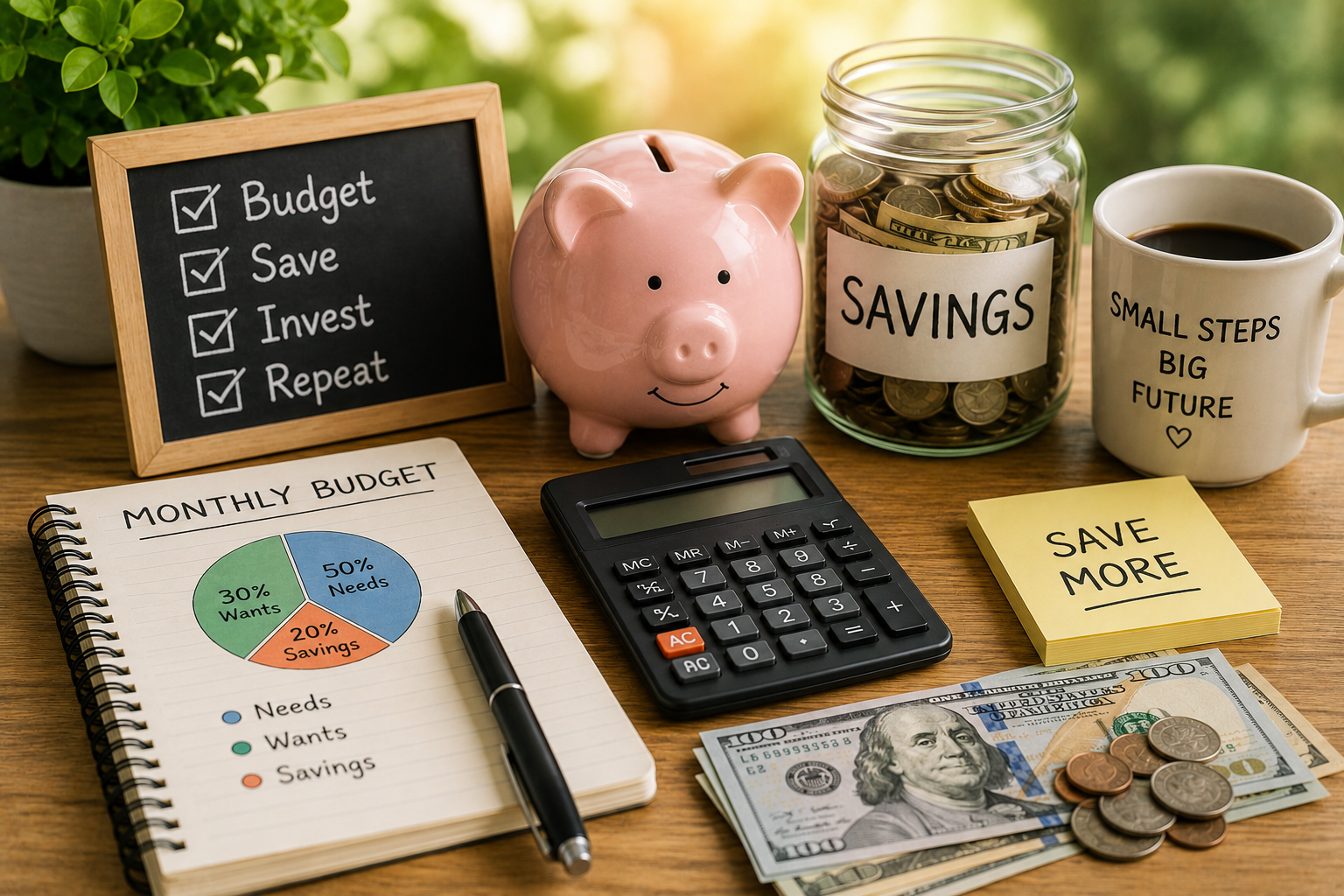
One of the easiest ways to save money every month is by making saving automatic and creating a system that works consistently. Many people struggle with saving because they wait until the end of the month to save whatever is left.
The problem is that there is usually nothing left. A better approach is to save first before spending.
Pay Yourself First
The “pay yourself first” method means treating savings like an important bill. As soon as you receive your income, set aside a specific amount before spending on other things.
It does not have to be a large amount. Even saving a small percentage consistently can help you build financial discipline.
Build a Consistent Saving Habit
Consistency is more important than perfection. Saving a small amount every month is better than saving a large amount once and stopping afterward.
Over time, this habit can help you build:
- Emergency savings
- Future investment funds
- Money for important goals
The key is creating a system that works even when motivation is low.
7. Reduce Energy Costs
Lowering your monthly bills is another practical way to save more money and one of the overlooked ways to save money every month without making major lifestyle changes.
Many people focus only on earning more but forget that reducing unnecessary expenses can create extra financial space.
Energy costs are a good place to start.
Lower Electricity Usage
Simple habits can help reduce energy expenses:
- Turn off lights when leaving a room
- Unplug devices you are not using
- Avoid leaving appliances running unnecessarily
- Use energy-efficient alternatives where possible
These small actions may seem insignificant, but they can add up over time.
Make Your Home More Efficient
Being mindful of how you use electricity helps you spend less without making major lifestyle changes. Saving money often comes from paying attention to small details.
8. Buy Quality Instead of Replacing Often
Saving money does not always mean choosing the cheapest option available. Sometimes, buying the cheapest product can cost more because you need to replace it repeatedly.
Think Long-Term When Spending
Before buying something, consider its durability and usefulness. For example, a quality item that lasts several years may save more money than buying a cheaper version multiple times.
Smart spending is about value, not just price.
Choose Value Over Cheap Prices
Ask yourself:
- Will this item last?
- Will I use it regularly?
- Is this purchase solving a real problem?
These questions help you make better financial decisions.
9. Compare Prices and Use Discounts
One of the simplest money-saving tips is learning to compare prices before making purchases. Many people spend more than necessary because they buy the first option they find.
Avoid Paying More Than Necessary
Before buying expensive items, take time to research.
Compare:
- Different sellers
- Available options
- Product reviews
- Alternative brands
A few minutes of research can prevent unnecessary spending.
Use Discounts Wisely
Discounts can help you save, but only when they are used correctly. A discount does not mean you saved money if you bought something you never needed.
The best savings come from reducing the cost of planned purchases.
10. Limit Impulse Buying
Impulse spending is one of the biggest challenges when trying to save money monthly.
Many people searching for ways to save money every month are not struggling because they earn too little; they are struggling because small spending habits are reducing their savings potential.
Many purchases happen because of emotions rather than actual needs. You may buy something because you feel excited, stressed, bored, or influenced by advertising.
Use the 24-Hour Rule
Before buying something unnecessary, wait at least 24 hours. This gives you time to decide whether the purchase is truly important.
Many times, the desire disappears after some time.
Separate Needs From Wants
Understanding the difference between needs and wants is an important financial habit.
Needs include:
- Food
- Housing
- Transportation
- Essential bills
Wants include:
- Luxury purchases
- Unplanned shopping
- Non-essential upgrades
Managing this difference can help you save more without feeling restricted.
11. Save Extra Income
Extra money can disappear quickly if you do not have a plan for it. Whenever you receive additional income, consider saving part of it.
Use Bonuses and Unexpected Money Wisely
Extra money may come from:
- Work bonuses
- Gifts
- Side projects
- Refunds
- Unexpected payments
Instead of spending everything immediately, put a percentage toward your financial goals.
Turn Side Income Into Savings
If you earn money from a side hustle, creating a saving plan for that income can speed up your progress. For example, you could decide that a portion of every extra payment goes directly into savings.
This helps you grow your money without depending only on your regular income.
12. Reduce Transportation Costs
Transportation can take a large part of your monthly expenses. Looking for practical ways to save money every month means paying attention to regular costs like transportation, food, and household bills.
Plan Trips Better
Combining errands and planning your movement can help reduce unnecessary spending. Instead of making several separate trips, organize your activities efficiently.
Choose Cost-Effective Options
Depending on your situation, consider cheaper alternatives such as:
- Public transportation
- Carpooling
- Walking shorter distances
- Planning routes ahead
Reducing transportation costs does not mean sacrificing convenience completely.
It means finding a balance between comfort and affordability.
13. Try the 50/30/20 Budget Rule
The 50/30/20 budgeting method is a simple framework for managing money better. If you want help applying the 50/30/20 budget rule, you can use an online budget calculator.
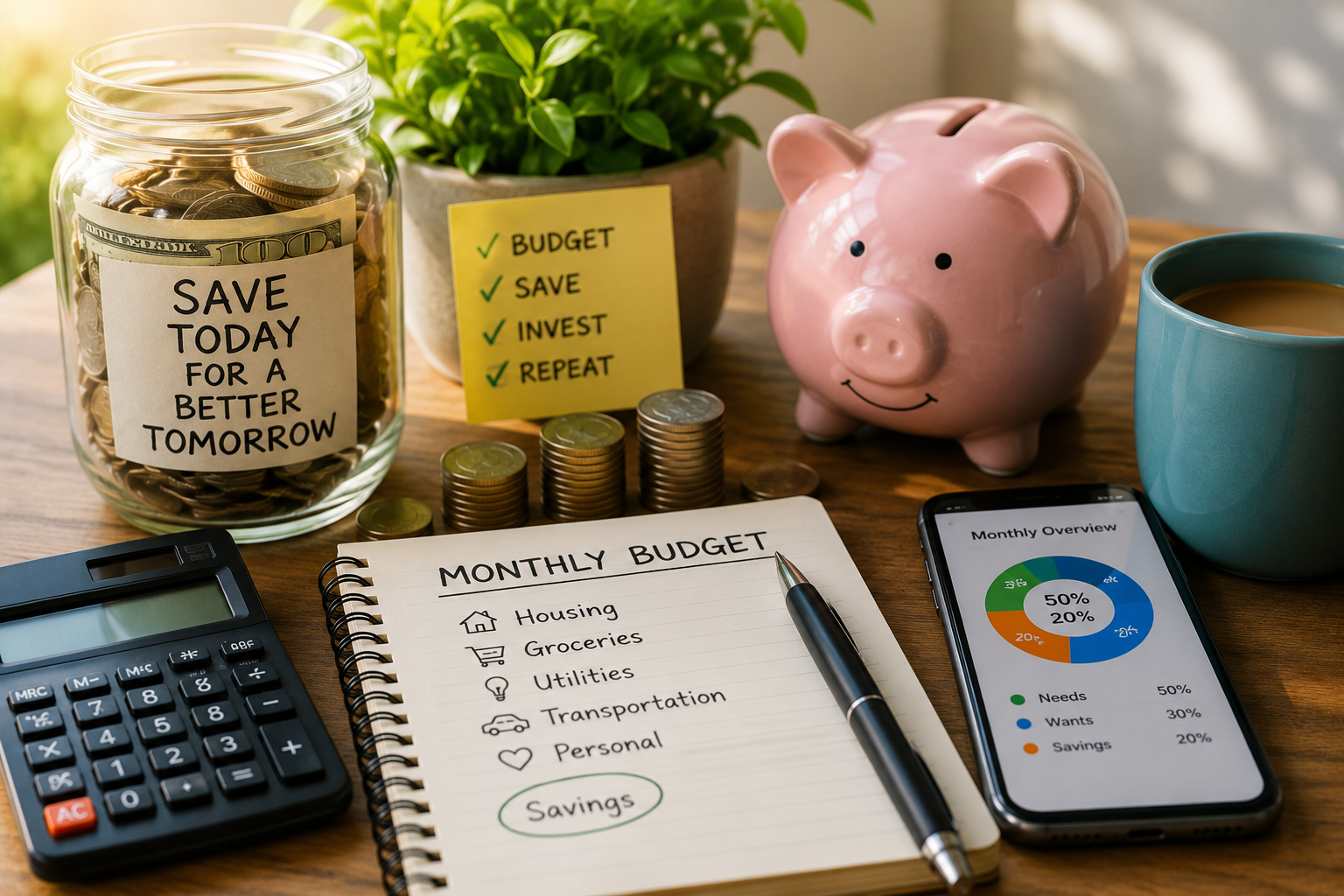
It divides your income into three main categories:
- 50% for needs
- 30% for wants
- 20% for savings and financial goals
This approach helps create balance between enjoying your money and preparing for the future.
Cover Your Needs
The first priority is essential expenses such as:
- Housing
- Food
- Utilities
- Transportation
These are expenses required for daily living.
Control Your Wants
The next category covers lifestyle choices.
This includes:
- Entertainment
- Shopping
- Hobbies
- Personal activities
Keeping this category under control prevents overspending.
Prioritize Savings
The final category focuses on your future.
This money can go toward:
- Emergency funds
- Investments
- Debt repayment
- Long-term goals
The percentages can be adjusted depending on your income and responsibilities.
READ MORE: Can You Really Workout At Home?
14. Set Specific Savings Goals
Saving becomes easier when you have a clear reason.A goal gives your money direction and makes it easier to stay motivated.
Build an Emergency Fund
An emergency fund protects you from unexpected situations.
It can help cover expenses like:
- Medical needs
- Repairs
- Sudden financial challenges
- Temporary income loss
Having savings available reduces financial stress.
Save for Future Plans
You can create savings goals for:
- Education
- Travel
- Business plans
- Major purchases
Instead of saving without a purpose, connect your savings to something meaningful.
15. Review Your Finances Every Month
Managing money is not something you do once and forget. Your financial situation changes, so your plan should change too.
A monthly review helps you understand what is working and what needs improvement.
Measure Your Progress
At the end of each month, check:
- How much you saved
- Where you spent more than expected
- Which habits improved
- What needs adjustment
This keeps you accountable.
Improve Your Money Strategy
Financial success comes from continuous improvement. You do not need to make perfect decisions every time.
You simply need to learn, adjust, and keep moving forward.
Conclusion
Many people think saving requires a high income, but simple ways to save money every month can help anyone improve their financial situation when practiced consistently. It is about creating simple financial habits that become part of your everyday routine.
Creating a budget, tracking expenses, reducing unnecessary spending, and saving consistently can help you take better control of your money. You do not need a huge income to start improving your finances.
READ MORE: 7 Powerful Social Media and Mental Health Effects: Good or Bad?
The most important step is starting with what you have and building from there using practical ways to save money every month that fit your lifestyle..
Remember, financial progress is created through small actions repeated consistently. Improving your money management skills takes time, but small consistent changes can produce lasting financial results.
A small amount saved today can become a stronger financial foundation tomorrow. The goal is not perfection; the goal is building habits that help you manage money better and create the future you want.