
The world’s fastest internet is no longer just about downloading movies in seconds. It has become the backbone of artificial intelligence, cloud computing, remote work, online gaming, smart cities, and even modern healthcare.
Every year, internet providers, technology companies, and governments invest billions of dollars to build faster, more reliable networks. From ultra-fast fiber-optic internet running beneath oceans to satellite internet connecting remote villages from space, the race has entered an entirely new era.
What makes this competition fascinating is that there is no single winner. Different technologies solve different problems. Fiber delivers unmatched speed and stability in cities, while satellite networks bring broadband to places where cables may never reach.
At the same time, companies such as Google Fiber, Starlink, Nokia, and Ericsson continue to push the limits of what’s possible. Combined with innovations in optical networking, broadband infrastructure, 5G, and the upcoming 6G era, internet connectivity is evolving faster than ever before.
RECOMMENDED: AI in the Workplace: How AI Is Transforming the Modern Digital Workplace
The world’s fastest internet is transforming how people work, communicate, stream entertainment, and power artificial intelligence across the globe.
So, what really is the world’s fastest internet? Which technology leads today? And what could internet access look like over the next decade?
Let’s explore the technologies driving the future of global connectivity.
What Is the World’s Fastest Internet?
The world’s fastest internet refers to broadband technologies capable of transmitting enormous amounts of data at extremely high speeds while maintaining low latency and reliable performance.
Although internet speed is often advertised in megabits per second (Mbps) or gigabits per second (Gbps), real-world performance depends on far more than download numbers.
Factors like network congestion, routing efficiency, infrastructure quality, and latency all influence how fast an internet connection actually feels.
Researchers are also breaking records in laboratories using advanced optical networking technologies. Experimental fiber systems have demonstrated transmission speeds measured in petabits per second, offering a glimpse into the future of internet infrastructure.
For everyday users, however, the fastest internet typically comes from modern fiber-optic internet services, which can already provide multi-gigabit connections for homes and businesses.
How Internet Speed Is Measured
Internet speed generally consists of four key measurements.
- Download speed determines how quickly data reaches your device.
- Upload speed measures how fast you can send files, videos, or backups online.
- Latency measures the delay between sending and receiving data.
- Bandwidth represents the maximum amount of data a network can carry at one time.
A connection with high download speeds but poor latency may still feel slow during online gaming, video conferencing, or cloud applications.
That is why today’s next-generation networks focus on balancing speed, responsiveness, and reliability rather than increasing bandwidth alone.
Why the World’s Fastest Internet Matters
Fast internet has become essential infrastructure rather than a luxury.
Businesses rely on high-speed internet to power cloud services, artificial intelligence, and global collaboration. Hospitals increasingly use ultra-fast connections for telemedicine and digital diagnostics.
Schools deliver interactive online education, while content creators upload massive video files in minutes instead of hours.
Consumers also benefit every day through:
- Smooth 4K and 8K video streaming
- Faster cloud storage synchronization
- Better online gaming experiences
- High-quality video conferencing
- Smart home automation
- More reliable remote work
As connected devices continue to multiply, demand for faster broadband technology will only continue to grow.
The race for the world’s fastest internet is no longer simply about achieving impressive speed records. It is about building the digital foundation that will support tomorrow’s economy, innovation, and global connectivity.
The Evolution of High-Speed Internet
The internet has transformed dramatically over the past three decades. What once required patience and noisy dial-up connections has evolved into ultra-fast fiber networks capable of transferring enormous amounts of data in seconds.
Each generation of internet technology has solved new challenges while creating opportunities for innovation. Today’s digital world exists because internet infrastructure has continuously improved.
From Dial-Up to Broadband
The first generation of home internet relied on dial-up connections that used telephone lines. Speeds were painfully slow by today’s standards, making activities like streaming video or downloading large files nearly impossible.
Broadband technology changed everything.
Instead of tying up phone lines, broadband introduced always-on internet connections with significantly higher bandwidth. DSL, cable, and later fiber-optic internet allowed households to browse, stream, and work online without constant interruptions.
Broadband also accelerated the growth of e-commerce, social media, cloud computing, and digital entertainment.
The Fiber-Optic Revolution
If broadband changed how people accessed the internet, fiber-optic internet redefined what was possible. Today, many experts consider fiber-optic networks to be the foundation of the world’s fastest internet.
Unlike traditional copper cables that transmit electrical signals, fiber-optic cables use pulses of light to carry information. Light travels incredibly fast with minimal signal loss, allowing fiber networks to deliver multi-gigabit internet speeds over long distances.
Modern fiber infrastructure now forms the backbone of many national internet systems.
Major providers, including Google Fiber, have demonstrated how fiber can deliver symmetrical upload and download speeds, making it ideal for businesses, creators, gamers, and remote workers.
Beyond homes and offices, fiber cables stretch across continents and beneath oceans, connecting countries through vast submarine cable systems that carry most of the world’s internet traffic.
The Mobile Internet Era
The rise of smartphones shifted internet usage from desktops to mobile devices.
Successive generations of mobile technology brought significant improvements:
- 3G introduced practical mobile web browsing.
- 4G LTE enabled HD streaming and mobile applications.
- 5G dramatically increased speeds while reducing latency.
Today, 5G networks support applications that extend beyond smartphones. Autonomous vehicles, smart factories, Internet of Things (IoT) devices, and connected healthcare systems all depend on low-latency wireless communication.
Researchers are already developing 6G, which aims to combine artificial intelligence, ultra-low latency, terabit-level speeds, and seamless integration between terrestrial and satellite networks.
Rather than replacing fiber, future wireless technologies will work alongside it to create faster and more resilient internet ecosystems.
How Fiber-Optic Internet Delivers Incredible Speeds
Fiber-optic internet remains the gold standard for high-speed internet access.
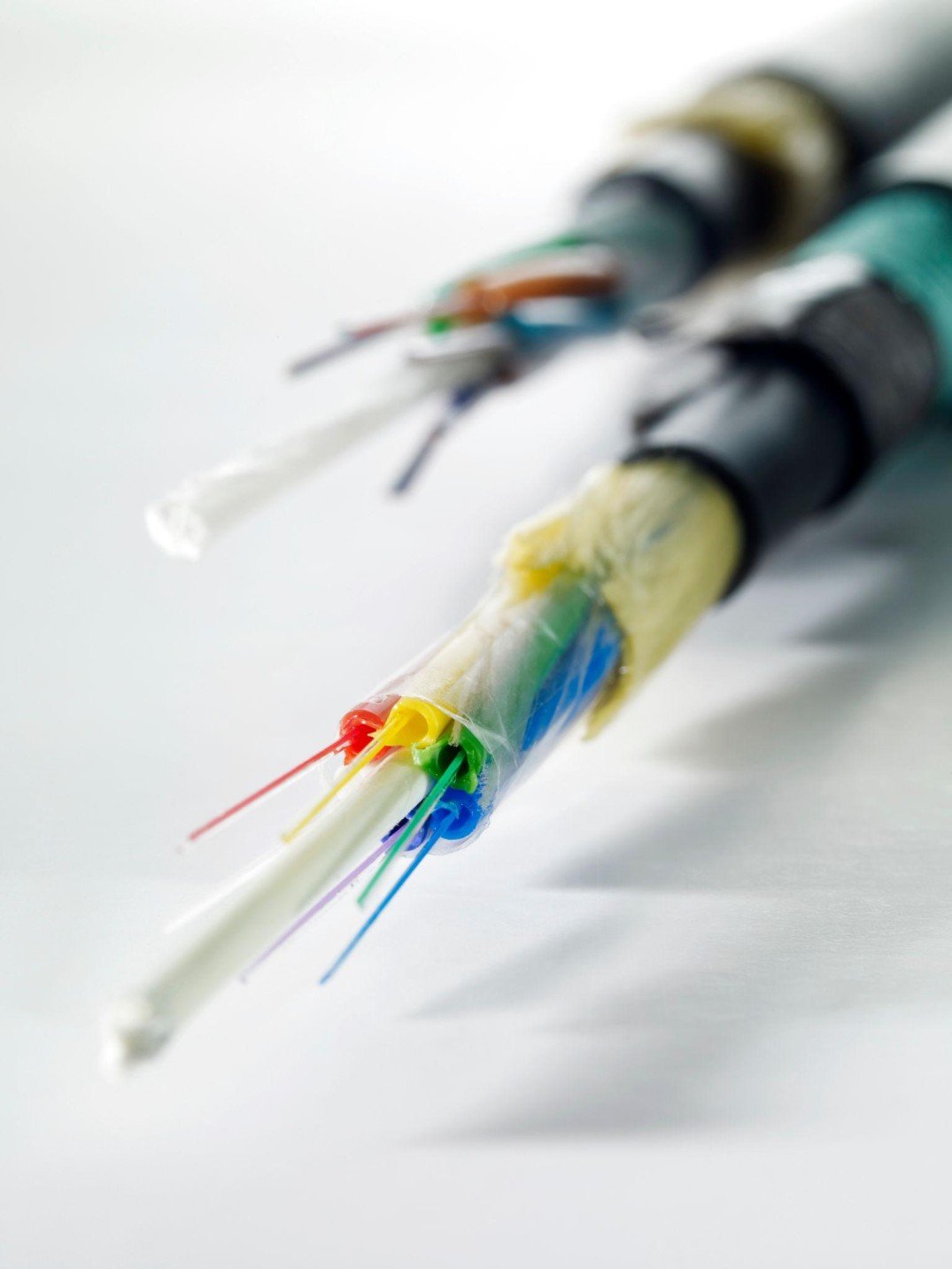
Its combination of speed, reliability, and scalability makes it the preferred technology for powering homes, businesses, cloud platforms, and modern data centers.
How Fiber-Optic Internet Works
Inside every fiber cable are incredibly thin strands of glass or plastic. Instead of transmitting electricity, these strands carry pulses of laser light that encode digital information.
Because light encounters very little resistance inside optical fibers, enormous amounts of data can travel across hundreds or even thousands of kilometers with minimal signal degradation.
This technology enables internet providers to deliver speeds measured in gigabits per second while maintaining exceptionally low latency.
Why Fiber Is So Fast
Several advantages make fiber-optic internet the fastest widely available broadband technology today.
- Extremely high bandwidth capacity
- Very low latency
- Symmetrical upload and download speeds
- Excellent reliability
- Reduced interference compared to copper cables
- Future-ready infrastructure that can be upgraded without replacing entire cable networks
These strengths explain why governments and telecommunications companies continue investing heavily in fiber expansion projects around the world.
The Internet Backbone Runs on Fiber
Every time someone sends an email, joins a video meeting, streams a movie, or uploads a photo, the data usually travels across a vast network of fiber-optic cables.
These interconnected systems form the global internet backbone.
The backbone links internet service providers, cloud platforms, major data centers, universities, businesses, and governments through high-capacity optical networking infrastructure.
Without these fiber networks, modern cloud computing and global digital communication would not be possible.
Google Fiber and the Push for Faster Broadband
One of the companies that helped reshape public expectations of internet speed is Google Fiber.
By introducing affordable gigabit internet in select cities, Google demonstrated that consumers could benefit from dramatically faster broadband than traditional offerings.
Its rollout also encouraged many competing internet service providers to upgrade their own infrastructure, accelerating fiber deployment in multiple markets.
RECOMMENDED: WhatsApp Usernames Explained: 8 Things You Need to Know About How to Create One, Privacy Benefits & Features (2026)
Today, similar initiatives around the world continue driving competition and expanding access to high-speed internet.
As demand for artificial intelligence, virtual reality, cloud gaming, and 8K streaming grows, fiber-optic networks remain the strongest foundation for the next generation of digital experiences.
The Rise of Satellite Internet
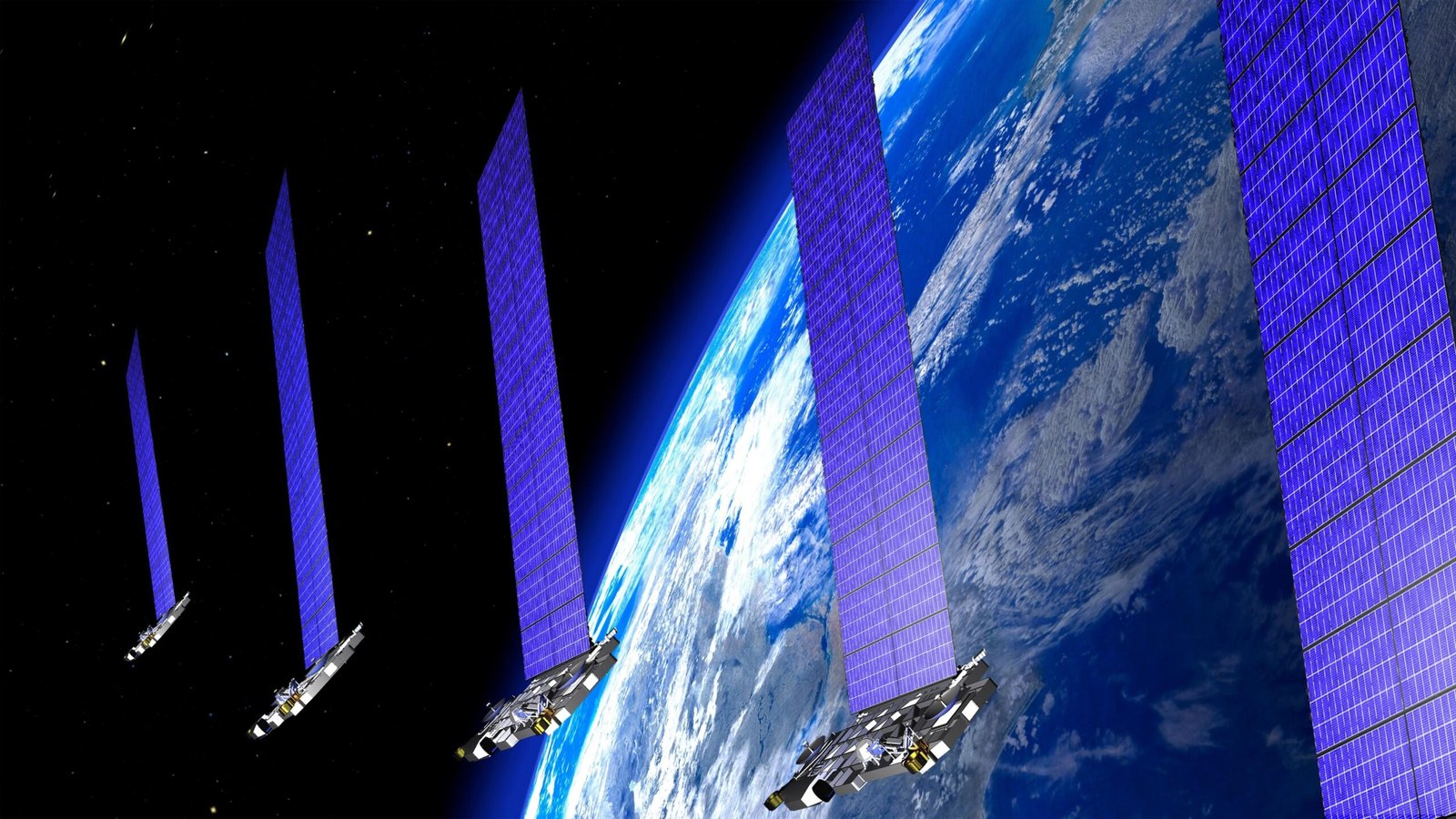
For decades, fast internet depended largely on physical cables. If a location lacked fiber or broadband infrastructure, residents often had limited or unreliable internet access. Satellite internet is changing that reality.
Instead of relying entirely on underground cables, satellite networks transmit data between users and satellites orbiting the Earth.
This approach extends internet access to remote villages, islands, mountains, deserts, offshore platforms, and other areas where laying fiber is expensive or impractical.
While fiber currently leads in performance, satellite innovation is becoming an important part of the world’s fastest internet ecosystem.
Recent advances in satellite technology have significantly improved speeds, reduced latency, and made global connectivity more realistic than ever.
How Satellite Internet Works
Satellite internet connects users through a satellite dish installed at a home or business.
The process works like this:
- Your device sends data to a router.
- The router communicates with a satellite dish.
- The dish transmits signals to satellites in orbit.
- The satellites relay the data to ground stations connected to the internet backbone.
- The requested information returns through the same path in just fractions of a second.
Modern Low Earth Orbit (LEO) satellite systems have greatly reduced the delay that affected older satellite services.
Starlink and the Low Earth Orbit Revolution
One of the biggest names in satellite internet is Starlink.
Unlike traditional satellite providers that rely on satellites positioned far above Earth in geostationary orbit, Starlink uses thousands of smaller satellites in Low Earth Orbit.
Because these satellites are much closer to Earth, they offer:
- Faster internet speeds
- Lower latency
- Better support for gaming and video calls
- Improved reliability
- Broader global coverage
This model has expanded broadband access in many rural and underserved communities, helping bridge parts of the digital divide.
Several other companies are also investing in satellite broadband, making space-based internet an increasingly competitive market.
Benefits of Satellite Internet
Satellite internet offers several important advantages.
- Internet access in remote locations
- Faster deployment than laying fiber cables
- Reliable backup connectivity
- Disaster recovery communications
- Expanding coverage for businesses operating in isolated regions
For many communities, satellite internet represents the first opportunity to experience high-speed internet.
Current Challenges
Despite impressive progress, satellite internet still faces limitations. Weather conditions can occasionally affect signal quality, monthly equipment costs may be higher than traditional broadband, and network performance can also fluctuate depending on user density and satellite availability.
As satellite constellations continue expanding and technology improves, many of these challenges are expected to become less significant.
Fiber vs Satellite Internet
Both fiber-optic internet and satellite internet play important roles in the future of internet connectivity. Rather than replacing one another, they solve different connectivity challenges.
Speed
Fiber remains the leader in raw performance. Multi-gigabit fiber connections consistently deliver extremely high download and upload speeds suitable for demanding applications.
Satellite internet has improved dramatically but generally offers lower peak speeds than fiber.
Latency
Latency measures how quickly information travels across a network. Fiber typically provides the lowest latency because data travels directly through optical cables.
Modern LEO satellite systems have significantly reduced latency compared to older satellite technologies, but fiber still maintains an advantage for competitive gaming and real-time applications.
Coverage
This is where satellite internet excels. Fiber requires extensive infrastructure and is mainly available in cities and developed areas.
Satellite internet can reach locations that would otherwise remain disconnected.
Reliability
Fiber is generally more stable because it is less affected by environmental conditions. Satellite services may occasionally experience disruptions from severe weather or physical obstructions.
Cost
Installing fiber infrastructure requires major investment from internet providers. For customers, fiber plans are often competitively priced where available.
Satellite internet may involve higher upfront equipment costs, although pricing continues to improve as competition increases.
Ultimately, the best choice depends on where you live and how you use the internet.
Technologies Behind the World’s Fastest Internet
Fast internet is about much more than cables or satellites.
Behind every high-speed connection is a sophisticated ecosystem of technologies working together to move billions of pieces of information every second.
Optical Networking
Optical networking enables enormous volumes of data to travel using light instead of electrical signals.
Modern optical systems support multiple wavelengths simultaneously, dramatically increasing network capacity without requiring additional cables.
This technology forms the foundation of today’s fastest internet infrastructure.
Broadband Infrastructure
Broadband infrastructure includes everything needed to deliver internet services.
This includes:
- Fiber-optic cables
- Cellular towers
- Network switches
- Routers
- Internet exchange points
- Local distribution networks
The quality of this infrastructure directly influences internet speed and reliability.
Data Centers
Every website, cloud application, streaming service, and AI platform relies on data centers. These facilities store, process, and distribute enormous amounts of information around the clock.
The closer users are to modern data centers, the faster online services often feel because information travels shorter distances.
As cloud computing and artificial intelligence continue expanding, data centers are becoming even more important to global internet performance.
RECOMMENDED: iPhone 18: Incredible Features, Release Date, Price & Everything We Know
Internet Backbone
The internet backbone is the hidden network connecting countries, continents, cloud providers, universities, and major telecommunications companies.
Without this global infrastructure, internet traffic could not move efficiently between regions.
Continuous investment in backbone capacity allows billions of users to stay connected simultaneously while supporting the ever-growing demand for digital services.
The Role of Nokia, Ericsson, and Other Networking Leaders
Building the world’s fastest internet takes more than internet service providers. It depends on companies that design the equipment powering global networks.
Among the industry’s most influential names are Nokia and Ericsson, both of which supply telecommunications hardware, optical networking solutions, cloud networking platforms, and 5G infrastructure used by operators worldwide.
Their technologies help improve network capacity, reduce latency, and make broadband services more reliable.
Alongside them, companies such as Cisco, Ciena, Huawei, Juniper Networks, and Arista Networks continue advancing routers, switches, optical transport systems, and network software that keep the internet running efficiently.
These innovations enable service providers to meet growing demand without sacrificing performance.
How 5G and 6G Are Changing Internet Connectivity
Wireless technology has become a vital part of modern internet infrastructure.
While fiber remains the foundation of high-speed broadband, mobile networks extend that connectivity to billions of smartphones, vehicles, factories, and smart devices.
Together with fiber and satellite technologies, these wireless advancements are shaping the future of the world’s fastest internet.
What Makes 5G Different?
Compared with previous generations, 5G offers several major improvements:
- Faster download and upload speeds
- Lower latency
- Higher network capacity
- Better support for connected devices
- Improved reliability in crowded environments
These capabilities make applications like cloud gaming, remote surgery, autonomous vehicles, and industrial automation increasingly practical.
Looking Ahead to 6G
Although 5G is still expanding globally, researchers are already working on 6G.
The next generation of wireless technology is expected to deliver:
- Speeds measured in terabits per second
- Near-instant communication
- AI-powered network optimization
- Seamless integration between satellite, fiber, and wireless networks
- Enhanced support for immersive virtual and augmented reality
While commercial 6G networks are still years away, they represent the next chapter in the evolution of global connectivity.
Countries Leading the Race for the World’s Fastest Internet
The competition to build the fastest internet is global. Several countries have invested heavily in fiber-optic internet, broadband infrastructure, and next-generation networking technologies to strengthen their digital economies.
Singapore consistently ranks among the world’s fastest internet markets thanks to its extensive fiber deployment and advanced telecommunications infrastructure.
South Korea remains a global leader in broadband adoption, offering widespread gigabit internet and one of the most mature digital ecosystems.
The United Arab Emirates has rapidly expanded high-speed fiber and 5G networks, delivering some of the fastest mobile internet speeds available today.
China continues to invest at an enormous scale in fiber deployment, 5G expansion, and internet backbone infrastructure to support its growing digital economy.
Many European nations, including Sweden and Switzerland, also rank highly because of strong broadband coverage and modern optical networking investments.
Rather than focusing only on peak internet speeds, these countries are building resilient, future-ready networks capable of supporting emerging technologies for decades to come.
Challenges to Building Faster Internet Networks
Despite remarkable progress, creating faster internet for everyone remains a complex challenge. One of the biggest obstacles is cost.
Deploying fiber-optic cables across cities, rural communities, mountains, and oceans requires billions of dollars in investment.
Geography presents another hurdle. Remote regions often have low population density, making traditional broadband infrastructure difficult to justify economically.
Cybersecurity has also become increasingly important. As internet speeds increase and more critical services move online, protecting digital infrastructure from cyberattacks becomes even more essential.
Network congestion is another ongoing concern.
The growing popularity of cloud computing, artificial intelligence, video streaming, and connected devices continues to place greater demands on global internet infrastructure.
Finally, governments, telecommunications companies, and technology providers must coordinate regulations, spectrum allocation, and infrastructure investments to keep pace with rapidly increasing demand.
The Future of Internet Connectivity
The next decade promises some of the biggest advances in internet technology yet. Artificial intelligence will play a larger role in managing network traffic automatically, improving efficiency while reducing congestion.
Fiber networks will continue expanding into underserved communities, bringing multi-gigabit broadband to more homes and businesses.
Satellite constellations will improve global coverage, helping close the digital divide for remote populations. Edge computing will reduce delays by processing data closer to users instead of relying solely on distant data centers.
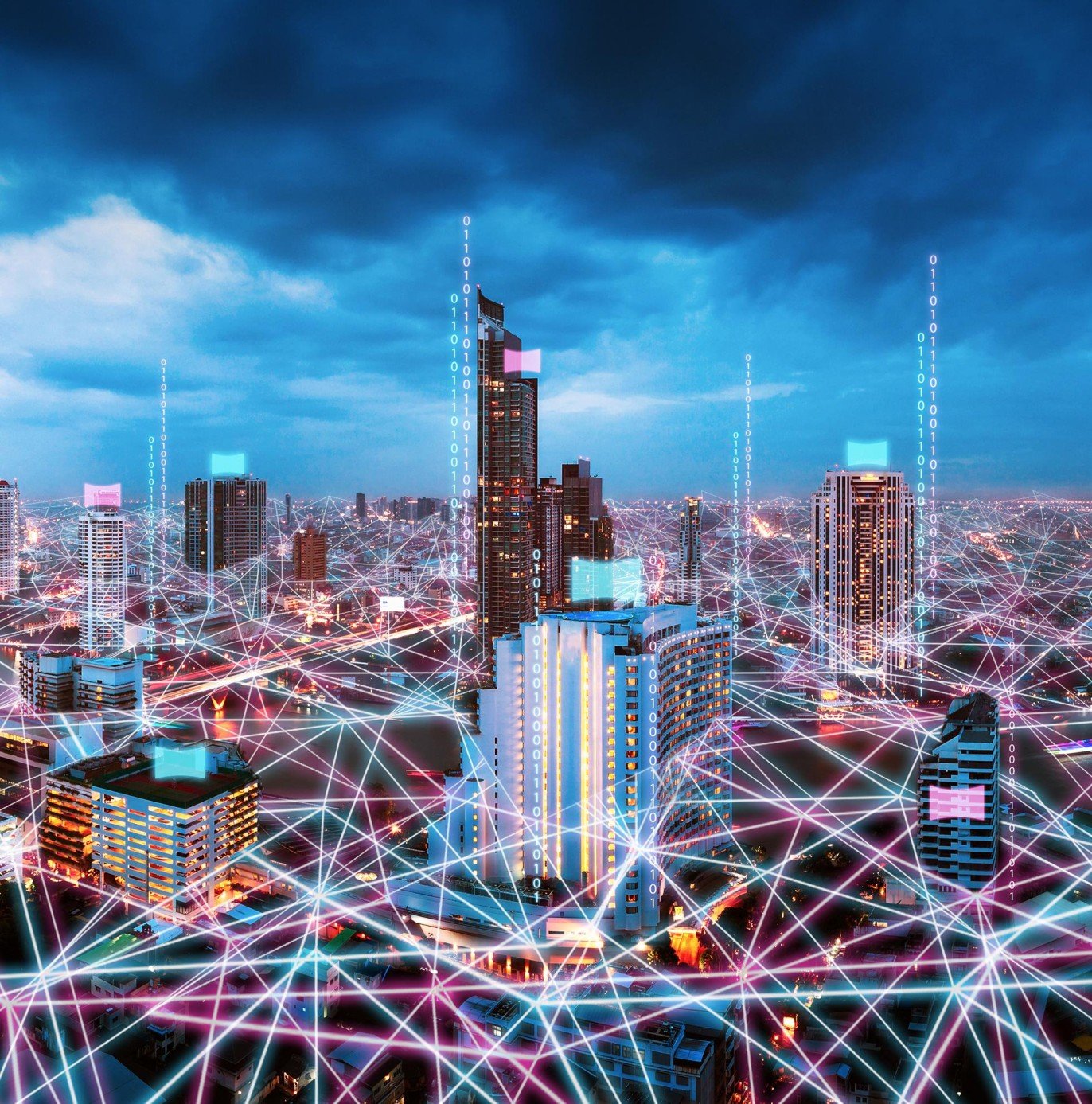
The next generation of the world’s fastest internet will combine fiber, satellites, artificial intelligence, and cloud infrastructure into a seamless global network.
Future internet infrastructure will also support technologies that are only beginning to emerge, including autonomous transportation, immersive virtual reality, advanced robotics, smart cities, and real-time digital collaboration on a global scale.
Rather than competing against one another, fiber, satellite, and wireless technologies will increasingly work together to deliver seamless, high-speed connectivity wherever people live and work.
Conclusion
The race for the world’s fastest internet is about far more than achieving record-breaking speeds. It is about creating a digital foundation capable of supporting the next generation of innovation.
Fiber-optic internet continues to set the benchmark for speed, reliability, and performance, while satellite internet is extending broadband access to places once considered unreachable.
At the same time, advances in optical networking, data centers, broadband infrastructure, and the internet backbone are making global connectivity faster and more resilient than ever.
Technologies such as 5G, the future 6G, and intelligent network management will further reshape how people connect, communicate, and work in the years ahead.
As governments, technology companies, and network providers continue investing in next-generation infrastructure, the future of internet connectivity looks faster, smarter, and more accessible than ever before.
As demand for digital services continues to grow, investment in the world’s fastest internet will become increasingly important for economies and societies worldwide.
Whether you’re streaming content, running a business, developing AI applications, or simply browsing the web, one thing is clear: the race for the world’s fastest internet is only just beginning.