Android dominance in Nigeria is clear, with 88% of smartphone users surveyed in a new KPMG and Orange Group study using the operating system.
The finding comes as smartphone ownership in Nigeria continues to rise. The study found that smartphone ownership reached 75% in 2025, up from 64% in 2023, while feature-phone ownership fell from 36% to 28%.
That makes Nigeria an increasingly smartphone-driven market, but the bigger story is what is happening underneath those numbers.
Android’s dominance has been closely tied to the availability of smartphones across different price ranges. Now, as device prices come under pressure and consumers become more cautious about upgrades, the market that helped Android become dominant is changing.
For Nigerians, that could affect which phones they buy, how often they upgrade, and how they access the growing number of services built around smartphones.
Android Dominance in Nigeria: How Android Became the Default
The Nigeria Smartphone Study, conducted by KPMG Nigeria in partnership with Orange Group, surveyed 13,251 respondents across 12 major Nigerian cities.
It found that smartphone ownership rose from 64% in 2023 to 75% in 2025. Among smartphone users covered by the study, Android accounted for 88%, compared with 12% for Apple’s iOS.
That puts Android firmly at the center of Nigeria’s smartphone ecosystem and helps explain the scale of Android dominance in Nigeria.
Independent web-traffic data also shows a substantial Android lead. StatCounter recorded Android at 81.96% of the mobile operating-system market share in Nigeria in August 2026, compared with 17.93% for iOS.
The two figures measure different things: KPMG’s number comes from a survey of smartphone users, while StatCounter’s data is based on web traffic. They should therefore not be treated as identical measurements.
But both point in the same direction. Android is the dominant mobile operating system in Nigeria.
Nigeria Is Becoming a Smartphone Market
The rise of Android is easier to understand when placed alongside Nigeria’s broader move from feature phones to smartphones.
The KPMG-Orange study found that smartphone ownership increased by 11 percentage points between 2023 and 2025, while feature-phone ownership declined by eight percentage points.
That transition matters because the smartphone has become much more than a communication device.
For many Nigerians, it is the gateway to banking, fintech, social media, entertainment, e-commerce, education, transportation, and work.
KPMG’s study describes smartphones as increasingly important to economic participation and digital activity in Nigeria. It also points to financial services, telecommunications, commerce, entertainment, education, and transportation as areas being affected by growing smartphone and application usage.
The country’s mobile internet numbers reinforce that shift.
The KPMG report cites Nigerian Communications Commission data showing 157 million internet subscribers and more than 1.5 million terabytes of data consumption in May 2026.
So the Nigerian smartphone market is not growing in isolation. It is becoming part of a much larger digital economy.
Why Android Fits Nigeria’s Smartphone Market
Android’s advantage in Nigeria is not simply about the operating system. It is also about the hardware ecosystem built around it.
Manufacturers use Android to compete across different price ranges. This gives consumers more choices and lets companies target people with very different budgets.
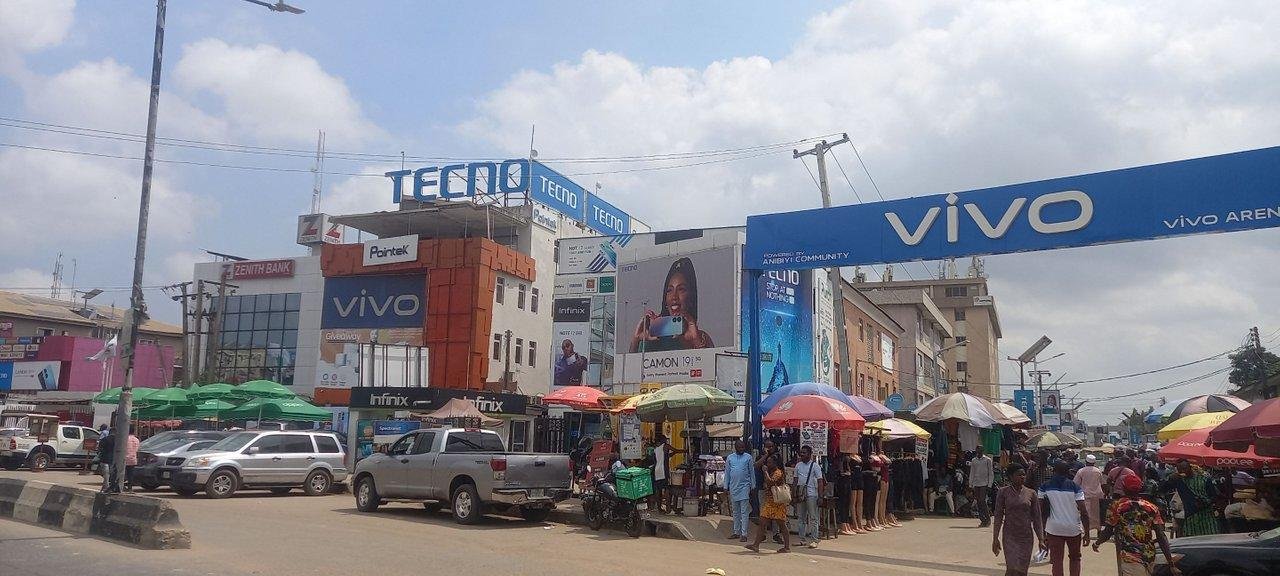
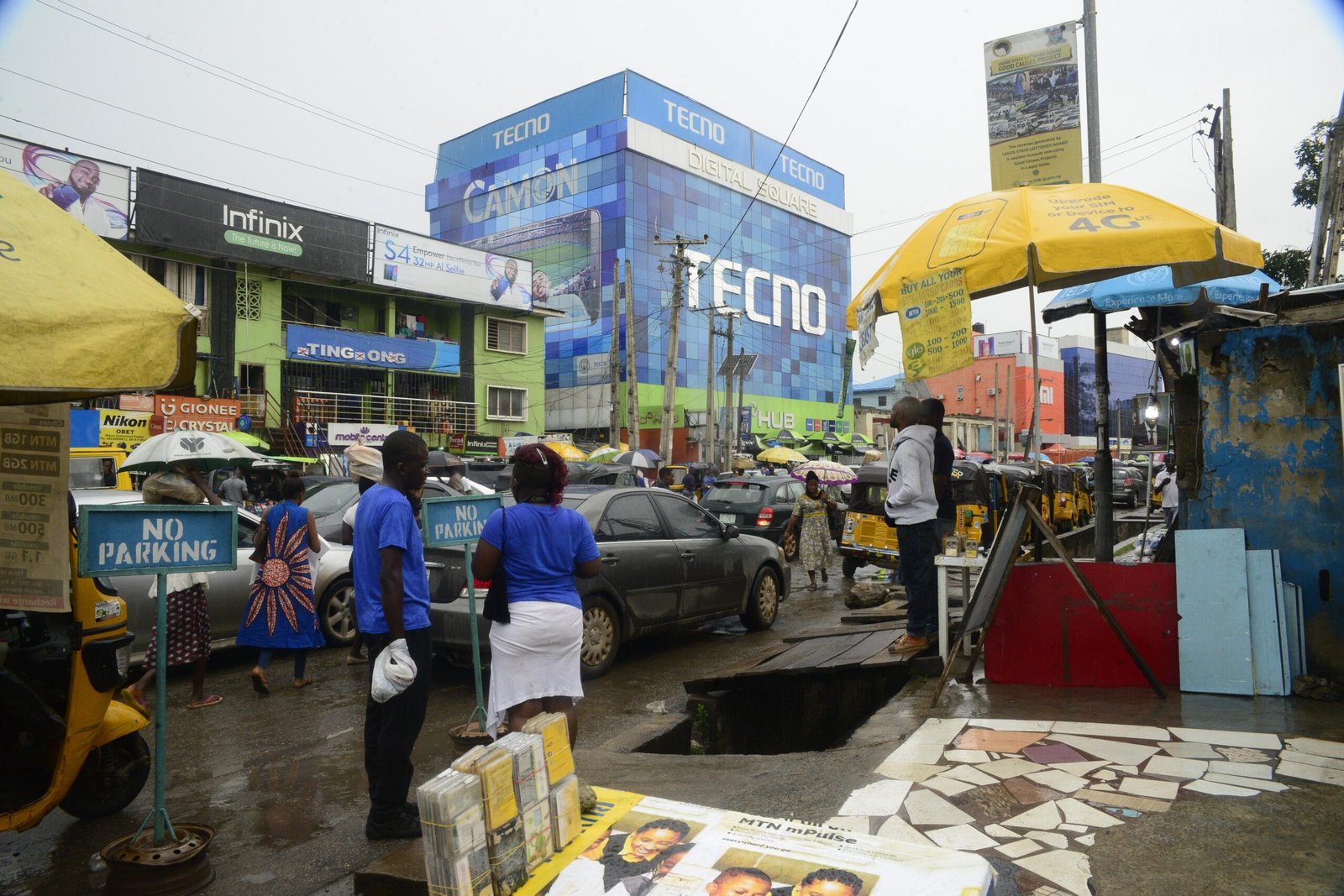
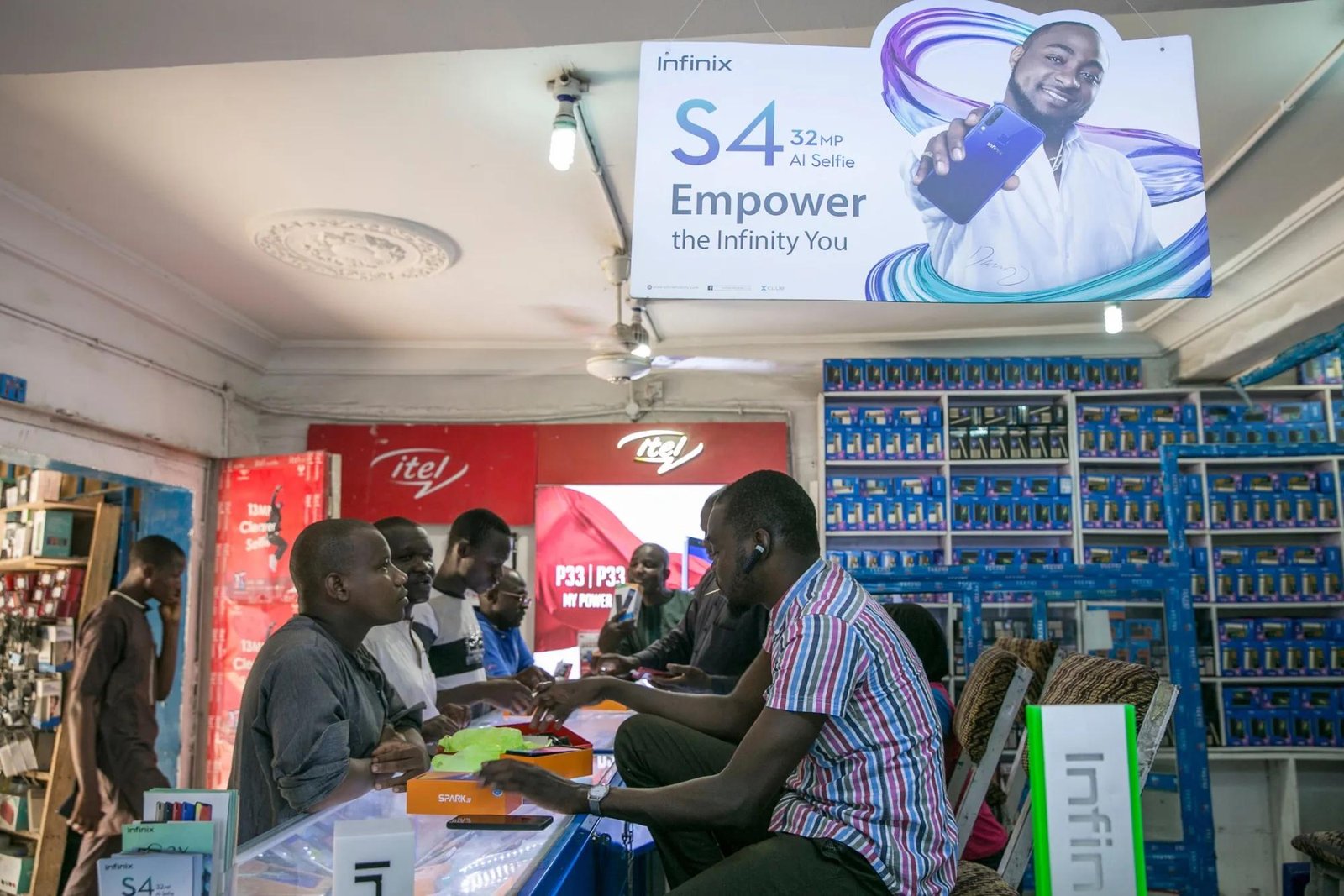
Brands such as TECNO, Infinix, iTel, Samsung, and Xiaomi have all established themselves in Nigeria’s smartphone market. That variety matters in a country where affordability remains a major factor in device purchases.
A consumer does not have to choose between an expensive flagship smartphone and a feature phone. Android allows manufacturers to offer devices across a much broader range of prices and specifications.
That flexibility has helped smartphones reach more Nigerian consumers. It also helps explain why Android’s dominance is connected to the structure of the Nigerian market itself.
TECNO and Infinix Still Matter, But the Android Market Is Changing
The latest KPMG study also shows that Android’s dominance does not mean all Android brands are growing at the same rate.
Among the brands tracked by the study, TECNO’s share fell from 29% in 2023 to 25% in 2025, while Infinix moved from 26% to 24%.
At the same time, Samsung rose from 10% to 12%, itel increased from 7% to 10%, and Xiaomi climbed from 3% to 8%, according to reporting on the study.
That is an important distinction. The competition in Nigeria is not simply Android versus iPhone.
There is also intense competition inside the Android ecosystem.
Manufacturers are fighting for consumers at different price points, and changes in brand share suggest that Nigerian smartphone buyers are not necessarily staying with one manufacturer as the market evolves.
That could become even more important as smartphone prices rise.
The Smartphone Market Is Entering a More Difficult Phase
Nigeria’s smartphone market showed resilience earlier in 2026, but affordability pressures are becoming harder for manufacturers and consumers to ignore.
Omdia reported that Nigerian smartphone shipments grew 8% year-on-year in the first quarter of 2026, with demand supported by affordable 4G and 5G devices.
By the second quarter, however, Nigerian smartphone shipments had declined 11% year-on-year, with higher prices contributing to weaker sales and consumers delaying purchases.
That matters because affordability has been one of the foundations of smartphone adoption. If smartphones become more expensive, consumers may hold on to their existing devices for longer rather than upgrade.
That does not necessarily threaten Android’s market share immediately. A consumer who delays buying a new phone can remain an Android user, but it can slow the overall expansion of the smartphone market.
Rising Prices Could Change How Nigerians Upgrade
The next challenge for smartphone manufacturers may therefore be less about convincing Nigerians to use Android and more about convincing them to replace their current devices.
This is important for Android dominance in Nigeria because the platform’s strength has been closely connected to the availability of smartphones at different price points.
Nigeria already has a large base of smartphone users. The KPMG study puts smartphone ownership at 75% among its surveyed population in 2025.
Future growth will increasingly depend on what happens to people who already own smartphones.
Will they upgrade to a more expensive device? Will they buy a cheaper model?
Will they repair their existing phone? Or will they postpone the purchase altogether?
Those decisions could become more important as manufacturers deal with higher component costs and pressure across the global smartphone supply chain.
For Android brands, maintaining a strong presence in Nigeria may therefore require more than releasing phones with better cameras and faster processors.
Price will remain a major part of the competition.
Android’s Dominance Goes Beyond Smartphones
Android’s large Nigerian user base also matters to companies building digital services.
Fintech companies, banks, e-commerce platforms, media businesses, advertisers, and app developers are all targeting people who increasingly access services through smartphones.
That makes the Android ecosystem an important part of Nigeria’s digital economy. For developers, however, Android’s dominance also creates a practical challenge.
There is no single type of Android user. A Nigerian customer may be using a premium Samsung device, a mid-range Xiaomi phone, or a lower-cost TECNO, Infinix, or iTel smartphone.
Those devices can differ significantly in processing power, storage, screen size, and network capabilities.
A business targeting Nigeria’s mass market therefore has to consider how its app or website performs across a wide range of Android devices.
The size of the Android audience makes that optimization important.
What About the iPhone?
The latest KPMG-Orange study puts iOS at 12% among the smartphones used by respondents, compared with Android’s 88%.
That gives Apple a significant presence, but it remains a minority position in the Nigerian smartphone market.
The market also shows that consumers are not choosing only between the cheapest Android phones and iPhones. Samsung and other Android manufacturers are competing in higher price categories, while different Android brands target different parts of the market.
The more useful question, therefore, is not whether Nigerians like iPhones. It is whether Apple’s premium ecosystem can significantly expand its share in a market where Android manufacturers offer a much wider range of devices and prices.
For now, the available data shows that Android remains far ahead.
What Android’s Dominance Means for Nigeria’s Digital Economy
The smartphone operating system people use can influence more than their choice of handset.
It affects the platforms developers prioritize, the devices businesses optimize for, and the digital services consumers can access easily.
With Android accounting for the overwhelming majority of smartphones in the KPMG study, companies targeting Nigeria’s mass consumer market cannot afford to treat Android as a secondary platform.
This is particularly relevant as more Nigerians use their phones for financial services, commerce, entertainment, education, and work.
The country’s growing mobile internet usage means that the smartphone is becoming an increasingly important layer of the digital economy, but the benefits of that growth depend partly on affordability.
A person can have network coverage and still struggle to participate digitally if they cannot afford a capable smartphone or enough data to use it.
That means smartphone prices remain an important part of Nigeria’s wider digital-inclusion story.
What Happens Next for Nigeria’s Smartphone Market?
The next phase of Nigeria’s smartphone market will be shaped by two competing forces.
On one side, smartphone adoption continues to grow, digital services are becoming more important, and Android already has a massive installed base.
On the other, higher device costs could make consumers more cautious about upgrading. Manufacturers will therefore have to balance better specifications with prices Nigerians can actually afford.
Competition among Android brands could become even more important, particularly as companies try to protect their market positions while consumers become more selective.
Financing and other ways of spreading the cost of devices could also become increasingly relevant as affordability becomes a bigger concern.
The market will also continue to evolve as 4G and 5G devices become more common and Nigerians use their smartphones for more parts of everyday life.
Android’s Lead Is Clear. The Market Behind It Is Changing
Android dominance in Nigeria is difficult to miss
The KPMG and Orange study found that Android accounted for 88% of smartphones among its surveyed users in 2025, while smartphone ownership reached 75%, up from 64% in 2023, but the more important story is what those numbers reveal about Nigeria’s market.
Android benefited from an ecosystem capable of putting smartphones within reach of consumers across different income levels. TECNO, Infinix, iTel, Samsung, Xiaomi, and other manufacturers have helped create a market with a wide range of choices.
Now that market is changing. Smartphone shipments have come under pressure, prices are rising, and consumers may take longer to replace their devices.
That does not mean Android’s dominance is disappearing. It means the conditions behind Nigeria’s smartphone growth are changing.
For consumers, the next stage of the market may be less about whether they want a smartphone and more about what they can afford when it is time to replace one.
For businesses and app developers, Android’s huge installed base will remain important, and for manufacturers, the challenge will be finding the balance between better devices and prices that keep Nigeria’s next wave of smartphone adoption moving.